
Japanese Milk Bread: Soft, Fluffy, and Easy to Make at Home
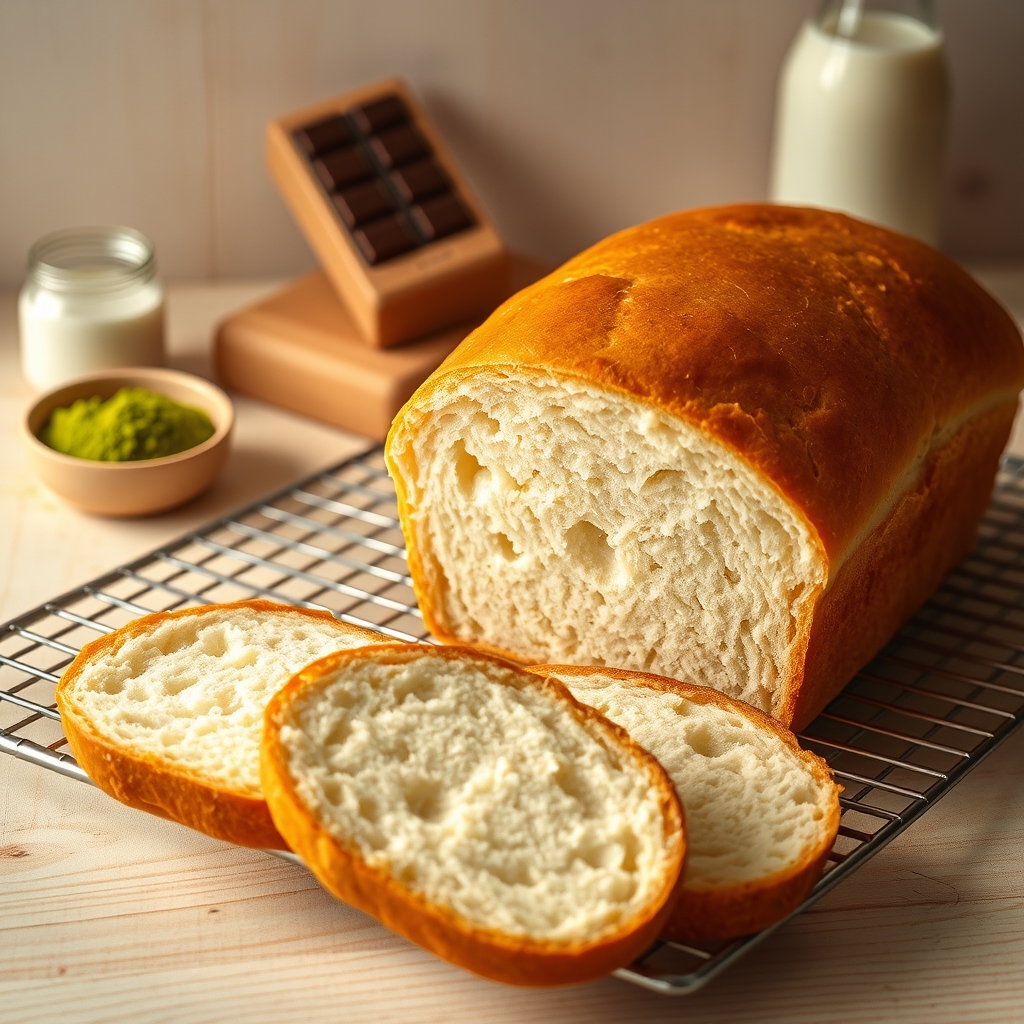
There’s something almost magical about Japanese milk bread—its pillowy softness, delicate sweetness, and cloud-like texture make it a favorite in bakeries and home kitchens alike. Unlike traditional Western bread, which often relies on butter or oil for richness, Japanese milk bread achieves its signature fluffiness through a unique method called tangzhong, a roux-based technique that locks in moisture and creates an incredibly tender crumb. If you’ve ever struggled to bake bread that stays soft for days, this recipe is your game-changer.
The Secret Behind the Fluff: Tangzhong
The tangzhong method is the heart of Japanese milk bread’s irresistible texture. By cooking a portion of the flour and liquid into a thick paste before adding it to the dough, you create a gel-like mixture that retains water far better than traditional dough. This extra moisture translates into bread that stays fresh and soft for up to a week—an impressive feat for homemade loaves. The process is simple: whisk together 1 part flour with 5 parts liquid (usually milk or water), heat it to 65°C (150°F) until thickened, then cool it before incorporating it into your dough. The result? A loaf so light it practically melts in your mouth.
Ingredients You’ll Need
While the tangzhong method might sound intimidating, the ingredient list for Japanese milk bread is refreshingly straightforward. Here’s what you’ll need for a standard loaf:
- 500g bread flour (or all-purpose flour in a pinch)
- 60g sugar
- 6g salt
- 6g instant yeast
- 1 large egg (about 50g)
- 120ml warm milk (plus extra for brushing)
- 120g tangzhong (prepared from 25g flour and 125ml milk)
- 30g unsalted butter, softened
For those looking to experiment, this recipe is a fantastic canvas for flavor variations. Swap out a portion of the flour for matcha powder to create a vibrant green tea loaf, or fold in cocoa powder and chocolate chips for a decadent twist. The possibilities are as endless as they are delicious.
Step-by-Step: Crafting the Perfect Loaf
1. Prepare the Tangzhong
Start by making the tangzhong. In a small saucepan, whisk together 25g of flour and 125ml of milk until smooth. Place the pan over medium heat and stir constantly until the mixture thickens to a pudding-like consistency—this should take about 2-3 minutes. Once it reaches 65°C (150°F), remove it from the heat and let it cool to room temperature. This step is crucial; adding hot tangzhong to your dough will kill the yeast and prevent the bread from rising properly.
2. Mix the Dough
In a large mixing bowl or the bowl of a stand mixer, combine the bread flour, sugar, salt, and instant yeast. Add the cooled tangzhong, egg, and warm milk, then mix on low speed until a shaggy dough forms. Increase the speed to medium and knead for about 5 minutes, until the dough becomes smooth and elastic. Add the softened butter a little at a time, allowing it to fully incorporate before adding more. The dough will be sticky at first, but it will come together as you knead—resist the urge to add extra flour, as this can make the bread dense.
3. First Rise: Patience is Key
Once the dough is smooth and supple, shape it into a ball and place it in a lightly greased bowl. Cover the bowl with a damp towel or plastic wrap and let it rise in a warm, draft-free place for about 1 hour, or until doubled in size. The ideal temperature for rising is around 28-30°C (82-86°F). If your kitchen is cool, you can speed up the process by placing the bowl in a turned-off oven with the light on or on top of a warm (not hot) appliance.
4. Shape and Second Rise
After the dough has doubled, gently punch it down to release the air, then divide it into 3 or 4 equal pieces, depending on whether you’re making a standard loaf or individual rolls. Shape each piece into a smooth ball, then flatten it slightly with your palm. For a classic milk bread loaf, arrange the pieces in a greased loaf pan, seam-side down. Cover the pan and let the dough rise again for 45-60 minutes, or until the pieces have puffed up and are nearly touching.
5. Bake to Golden Perfection
Preheat your oven to 180°C (350°F) and brush the top of the risen dough with a little milk or beaten egg for a glossy finish. Bake for 30-35 minutes, or until the loaf is golden brown and sounds hollow when tapped on the bottom. If the top browns too quickly, tent the pan with aluminum foil to prevent over-browning. Once baked, remove the loaf from the pan immediately and let it cool on a wire rack for at least 30 minutes before slicing—this ensures the bread retains its moisture and doesn’t become gummy.
Tips for Success
Even the most foolproof recipes can benefit from a few expert tips. Here’s how to ensure your Japanese milk bread turns out perfectly every time:
- Weigh your ingredients: Baking is a science, and precision matters. Using a kitchen scale to measure your flour and liquids will yield more consistent results than volume measurements.
- Don’t rush the rise: Yeast is a living organism, and it needs time to work its magic. If your dough isn’t rising as quickly as expected, be patient—it’s better to let it rise slowly than to force it in a warm oven, which can result in a dense loaf.
- Use the right flour: Bread flour has a higher protein content than all-purpose flour, which gives the bread its structure. If you must use all-purpose flour, add 1-2 teaspoons of vital wheat gluten to mimic the protein content of bread flour.
- Keep the dough warm: Cold temperatures can slow down yeast activity. If your kitchen is chilly, place the dough in a slightly warm oven (turned off) or near a warm spot to encourage rising.
- Store properly: To keep your milk bread soft for days, wrap it tightly in plastic wrap or store it in an airtight container at room temperature. For longer storage, slice the loaf and freeze it—just toast the slices straight from the freezer for a quick, fresh-tasting breakfast.
Beyond the Basics: Creative Variations
Once you’ve mastered the classic Japanese milk bread, why not get creative? The mild sweetness and soft texture of this bread make it the perfect base for a variety of flavors. Here are a few ideas to inspire your next bake:
Matcha Milk Bread
For a vibrant green loaf with a subtle earthy flavor, add 2-3 tablespoons of high-quality matcha powder to the dry ingredients. Be sure to sift the matcha to avoid clumps, and consider reducing the sugar slightly to balance the bitterness of the tea. This variation is stunning when sliced and pairs beautifully with red bean paste or a smear of cream cheese.
Chocolate Swirl Milk Bread
Indulge your sweet tooth by adding 2 tablespoons of cocoa powder to the dry ingredients and folding in 100g of chocolate chips or chunks. For an extra-special touch, swirl a ribbon of Nutella or melted chocolate through the dough before the second rise. The result is a loaf that’s as decadent as it is soft.
Cheese and Herb Milk Bread
Who says milk bread has to be sweet? For a savory twist, omit the sugar and add 100g of grated cheddar or mozzarella to the dough, along with a teaspoon of dried herbs like rosemary or thyme. This variation is perfect for sandwiches or as an accompaniment to soups and salads.
There’s a reason Japanese milk bread has captured the hearts of bakers around the world. Its unparalleled softness, versatility, and ease of preparation make it a staple in any kitchen, whether you’re a seasoned baker or a novice just starting out. With the tangzhong method in your toolkit, you’ll never settle for dense, dry bread again—each slice is a testament to the magic of moisture, patience, and a little bit of culinary science. So preheat your oven, gather your ingredients, and get ready to experience the joy of pulling a perfectly fluffy loaf from your own kitchen.