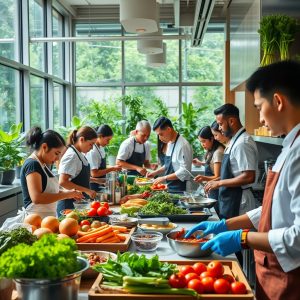
The Unseen Craft: How Luxury Hotels Are Mastering the Art of Farm-to-Table Fine Dining with Hyper-Local Precision
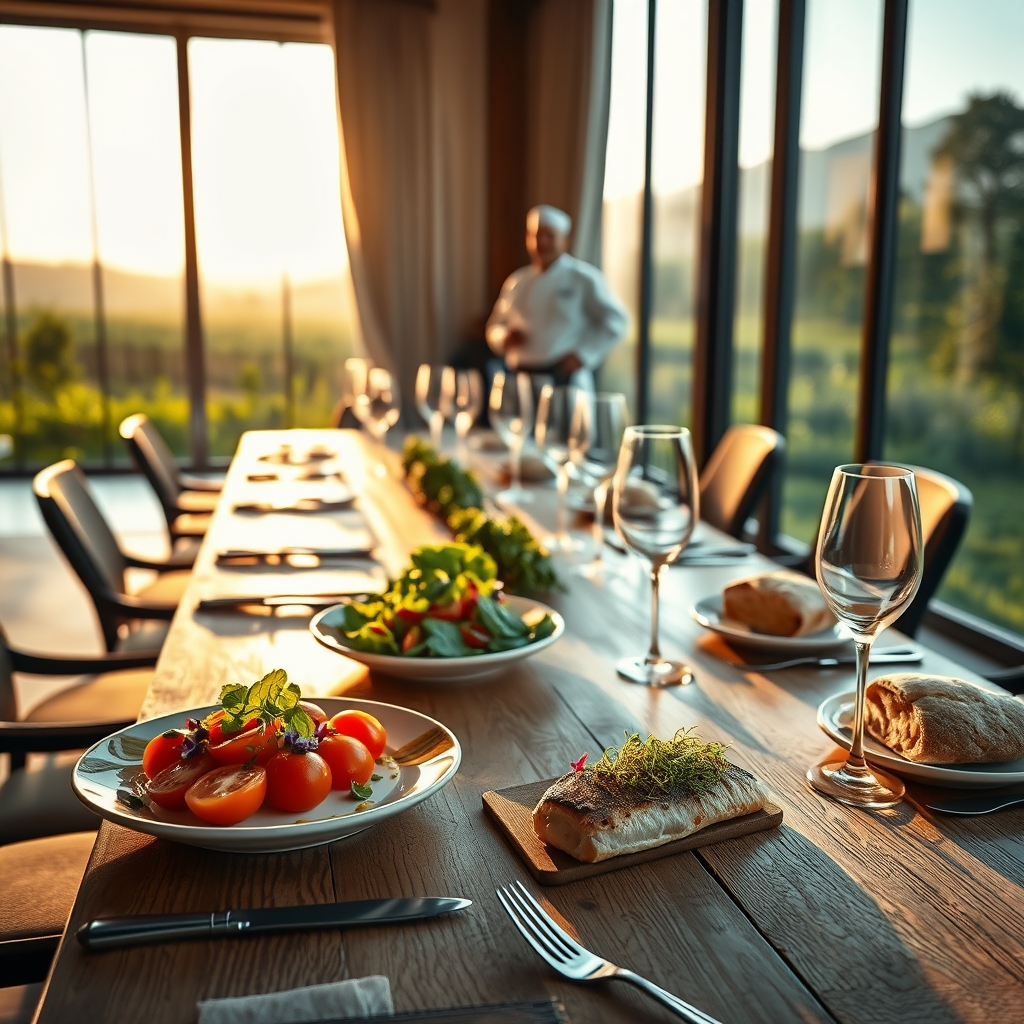
The modern traveler seeks more than just a place to rest—they crave an experience that engages the senses, tells a story, and leaves a lasting impression. At the heart of this evolution lies the transformation of luxury hotel dining, where the once-clear boundaries between farm and table have dissolved into a seamless, almost sacred ritual. No longer confined to the realm of standalone restaurants, the farm-to-table movement has found its most refined expression within the walls of five-star hotels, where hyper-local ingredients are not just a trend but a philosophy.
The Philosophy Behind the Plate
What sets luxury hotel dining apart in this new era is not just the quality of the ingredients but the depth of the narrative woven into each dish. Hotels are increasingly partnering with local farmers, foragers, and artisans to source ingredients that are not only fresh but also deeply tied to the region’s culture and history. This goes beyond merely labeling a dish as “locally sourced.” It’s about creating a culinary identity that reflects the terroir—the soil, climate, and traditions of the land.
Take, for example, a boutique hotel in Tuscany that collaborates with a nearby olive grove to produce its own extra virgin olive oil, or a luxury resort in Bali that cultivates its own organic garden, where chefs harvest herbs and vegetables just moments before they’re transformed into a dish. These partnerships are not just about sustainability; they’re about authenticity. The result is a dining experience that feels both personal and profound, where every bite carries the essence of the place.
The Rise of the Chef as Curator
In this new landscape, the role of the chef has evolved from mere cook to curator of experiences. Chefs in luxury hotels are now expected to be storytellers, historians, and even activists, championing the cause of local agriculture while pushing the boundaries of creativity. A tasting menu at a Michelin-starred hotel restaurant might feature a dish inspired by a centuries-old recipe, reimagined with modern techniques and ingredients sourced from within a 50-mile radius. The chef’s ability to balance tradition with innovation is what elevates the dining experience from merely excellent to truly unforgettable.
This shift has also given rise to a new kind of culinary tourism, where guests travel not just to see a destination but to taste it. Hotels are capitalizing on this trend by offering immersive experiences, such as farm visits, foraging excursions, and cooking classes led by the executive chef. These experiences allow guests to connect with the food on a deeper level, transforming a meal into a journey of discovery.
The Art of Seasonal Synchronicity
One of the most compelling aspects of farm-to-table dining in luxury hotels is its seasonal synchronicity. Unlike traditional restaurants that might rely on imported ingredients to maintain consistency, these hotels embrace the ebb and flow of the seasons, allowing the menu to evolve naturally. A spring tasting menu might feature delicate asparagus and morel mushrooms, while a winter offering could highlight hearty root vegetables and game meats. This approach not only ensures the freshest flavors but also creates a sense of anticipation, as guests return to see what new creations the chef has dreamed up.
Seasonal dining also allows hotels to showcase the versatility of hyper-local ingredients. A single ingredient, like heirloom tomatoes or wild-caught seafood, can be transformed into multiple dishes, each highlighting a different facet of its flavor profile. This level of creativity is what sets luxury hotel dining apart, turning each meal into a celebration of the region’s bounty.
The Intersection of Sustainability and Luxury
For many travelers, sustainability is no longer a nice-to-have but a non-negotiable. Luxury hotels are responding to this demand by integrating sustainable practices into every aspect of their dining operations. From zero-waste kitchens to partnerships with regenerative farms, these hotels are proving that luxury and sustainability are not mutually exclusive. In fact, they’re discovering that the two can enhance each other in unexpected ways.
A prime example is the use of “ugly” produce—fruits and vegetables that might be discarded by traditional suppliers due to their appearance but are just as flavorful and nutritious. Hotels are incorporating these ingredients into their menus, reducing food waste while also creating unique dishes that surprise and delight guests. Similarly, many hotels are adopting nose-to-tail and root-to-stem cooking techniques, ensuring that every part of an ingredient is used to its fullest potential.
The Future of Farm-to-Table in Luxury Hotels
As the farm-to-table movement continues to evolve, luxury hotels are poised to lead the way in redefining what it means to dine well. The future lies in even deeper collaborations between hotels and local producers, as well as a greater emphasis on transparency. Guests want to know not just where their food comes from but also the story behind it—the people, the land, and the traditions that make each dish unique.
Technology is also playing a role in this evolution. Some hotels are using blockchain to track the journey of ingredients from farm to table, providing guests with a digital ledger that verifies the authenticity and sustainability of their meal. Others are experimenting with vertical farming and hydroponics, allowing them to grow their own produce on-site, even in urban environments. These innovations are not just gimmicks; they’re a testament to the industry’s commitment to pushing the boundaries of what’s possible in fine dining.
The true magic of farm-to-table dining in luxury hotels lies in its ability to transform a meal into a moment of connection—between the guest and the land, the chef and the farmer, the past and the present. It’s a reminder that the best dining experiences are not just about what’s on the plate but about the stories, the people, and the passion that bring it to life. In a world where experiences are the new currency, these hotels are not just serving food; they’re crafting memories that linger long after the last bite.