The Alchemy of Global Fusion: How Molecular Gastronomy Meets Smoked Chili Crisp in a Zero-Waste Kitchen
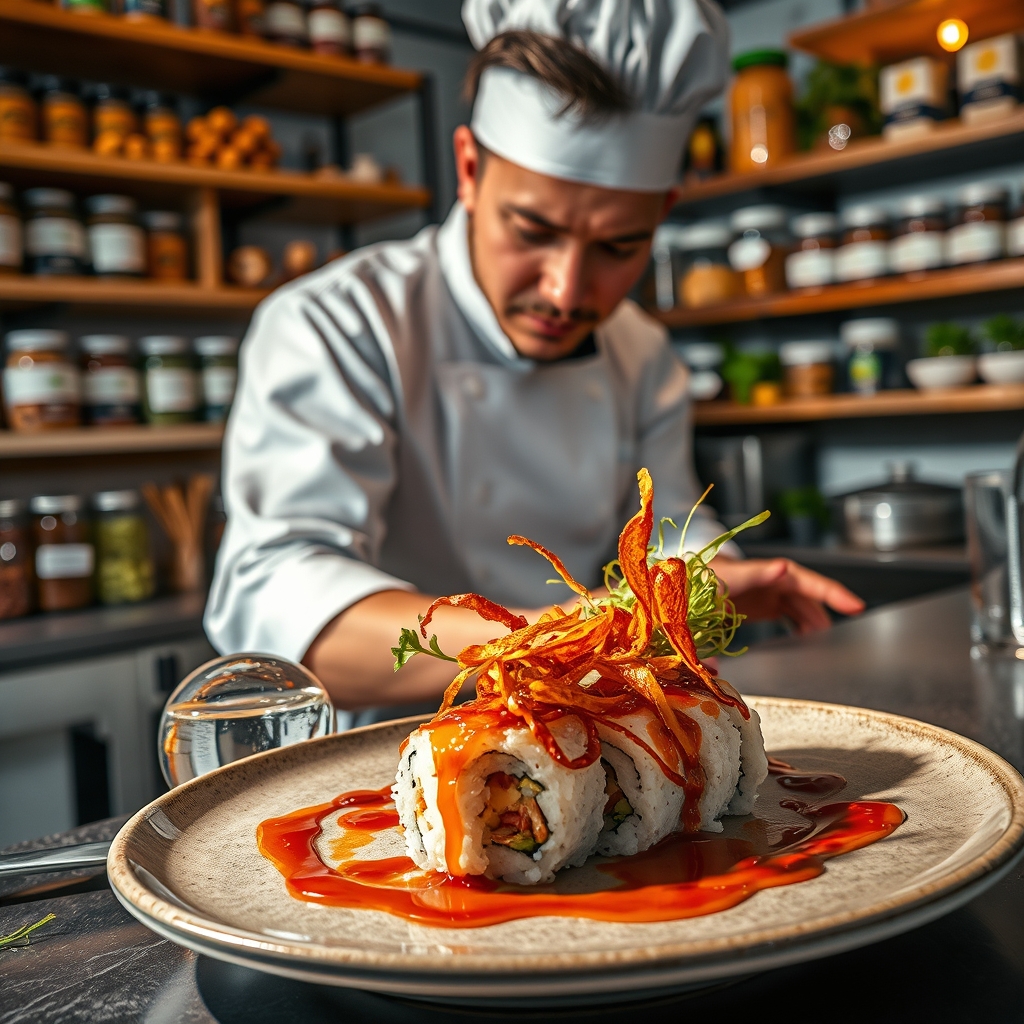
The culinary world is undergoing a metamorphosis, where the boundaries of tradition and innovation blur into a symphony of flavors. At the heart of this transformation lies global fusion cuisine—a daring dance of techniques and ingredients that transcends geographical limits. Imagine the fiery depth of smoked chili crisp from Sichuan meeting the precision of molecular gastronomy, or the umami richness of gourmet tinned fish from Portugal harmonizing with the earthy notes of functional mushroom beverages. This is not just cooking; it’s alchemy, where every dish tells a story of sustainability, creativity, and bold experimentation.
The Rise of Global Fusion: A Culinary Crossroads
Global fusion cuisine is more than a trend; it’s a movement that reflects our interconnected world. Chefs and home cooks alike are drawing inspiration from diverse cultures, merging techniques like sous-vide with age-old fermentation practices or infusing adaptogenic coffee blends with spices from the Middle East. The result? Dishes that are as visually stunning as they are flavorful. Take, for example, a microgreens salad bowl drizzled with a reduction made from fermented probiotic drinks, or a dessert where freeze-dried candy meets the creamy texture of high-protein ice cream. These creations are not just meals; they are experiences that challenge our palates and expand our culinary horizons.
The Role of Molecular Gastronomy in Modern Fusion
Molecular gastronomy has long been the playground of avant-garde chefs, but its principles are now seeping into everyday kitchens. Techniques like spherification, foaming, and gelification allow ingredients to be reimagined in ways that defy expectations. Picture a smoked chili crisp emulsion drizzled over a deconstructed sushi roll, or a botanical-infused water transformed into a delicate, edible flower. These methods don’t just elevate flavor—they create moments of surprise and delight, turning dining into an interactive art form. When paired with global ingredients, molecular gastronomy becomes a bridge between cultures, blending the familiar with the extraordinary.
Zero-Waste Cooking: The Ethical Backbone of Fusion Cuisine
In an era where sustainability is no longer optional, zero-waste cooking has become the ethical backbone of modern fusion cuisine. The philosophy is simple: every part of an ingredient has value, and nothing should go to waste. This approach has given rise to upcycled food snacks made from spent grain or fruit peels, and dishes where vegetable scraps are transformed into vibrant purées or crispy garnishes. Even regenerative agriculture foods—like grains and legumes grown in ways that restore soil health—are finding their way into fusion dishes, adding depth of flavor and a story of environmental stewardship.
From Scraps to Stars: The Magic of Upcycled Ingredients
The magic of upcycled ingredients lies in their ability to turn what was once discarded into something extraordinary. Consider a risotto made with algae-based proteins and garnished with dehydrated fruit snacks crafted from imperfect produce. Or a broth infused with functional mushroom powders, simmered from vegetable trimmings that would have otherwise been composted. These innovations not only reduce food waste but also introduce new textures and flavors to the table. When combined with global fusion techniques, upcycled ingredients become the unsung heroes of a dish, adding layers of complexity and purpose.
The Future of Flavor: Where Tradition Meets Innovation
The future of global fusion cuisine is not about abandoning tradition but reimagining it. It’s about taking the bold, smoky heat of smoked chili crisp and pairing it with the delicate precision of molecular gastronomy, or infusing a classic French sauce with the probiotic tang of fermented drinks. It’s about recognizing that the best dishes are those that honor their roots while embracing the possibilities of the future. As we move forward, the lines between cuisines will continue to blur, giving rise to flavors that are as diverse as they are delicious. The kitchen of tomorrow is not just a place to cook—it’s a laboratory of creativity, where every meal is an opportunity to explore, innovate, and savor the world on a single plate.
The beauty of this culinary evolution lies in its accessibility. You don’t need a Michelin-starred kitchen to experiment with global fusion or zero-waste cooking. Start small: infuse your morning coffee with adaptogens, or toss a handful of microgreens into a salad with a drizzle of chili crisp. The key is curiosity—the willingness to play with ingredients, techniques, and flavors. In doing so, you’re not just preparing a meal; you’re participating in a movement that celebrates the richness of our global pantry and the endless possibilities it holds. Every bite becomes a step toward a more sustainable, flavorful, and connected world.