The Hidden Luxury of Zero-Waste Fine Dining: How Elite Hotels Are Crafting Exquisite Menus with Hyper-Local Ingenuity and Circular Gastronomy
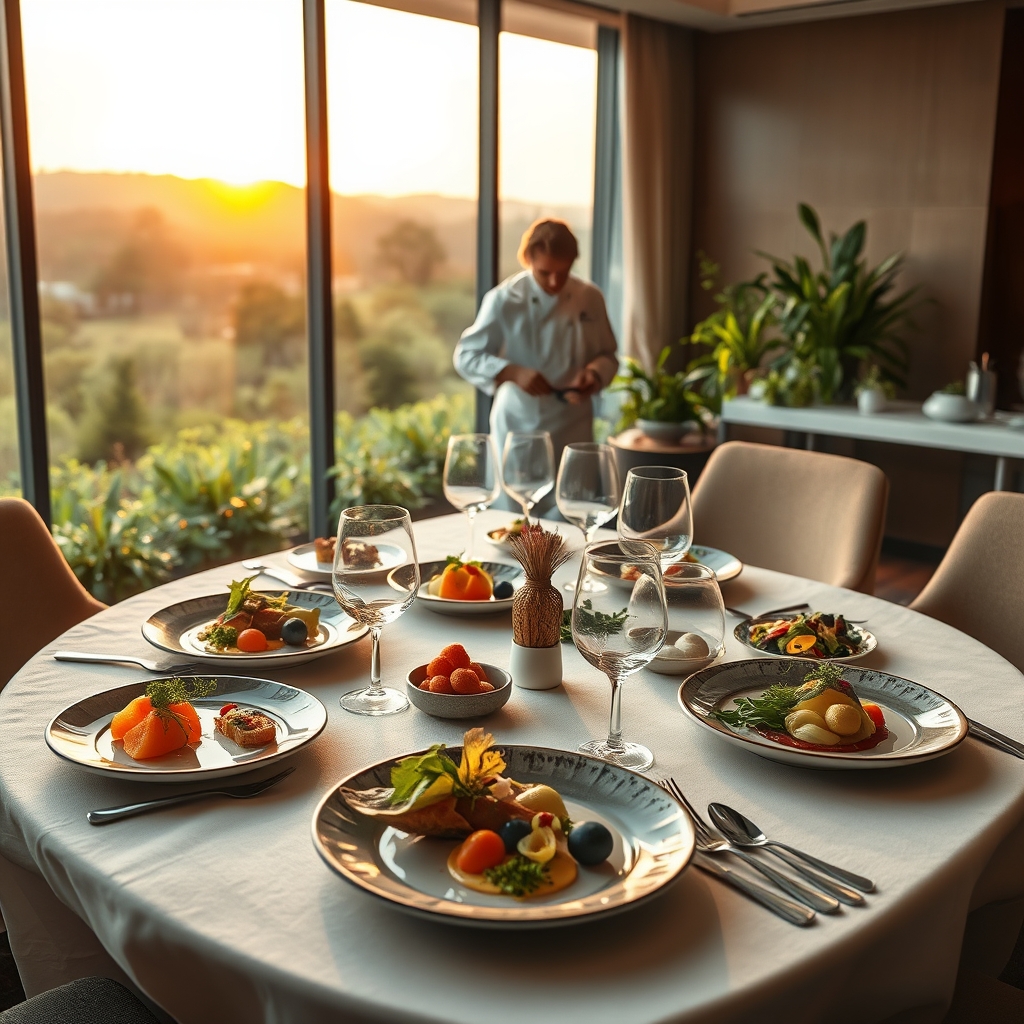
The modern traveler seeks more than just opulence—they crave experiences that align with their values, where indulgence and sustainability coexist in perfect harmony. Nowhere is this balance more elegantly achieved than in the world of zero-waste fine dining, where luxury hotels are redefining gourmet cuisine by transforming every ingredient into a masterpiece of culinary innovation. No longer confined to the realm of casual eateries or farm-to-table bistros, this philosophy has ascended to the heights of five-star hospitality, proving that sustainability and sophistication are not mutually exclusive.
The Philosophy Behind Zero-Waste Fine Dining
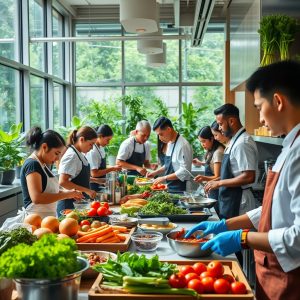
At its core, zero-waste fine dining is a commitment to utilizing every part of an ingredient, from root to stem, peel to pit. This approach is not merely about reducing waste; it is a celebration of creativity, resourcefulness, and respect for the ingredients themselves. In elite hotels, where every detail is meticulously curated, this philosophy is elevated to an art form. Chefs are no longer just cooks; they are alchemists, transforming what was once considered scrap into dishes that dazzle the senses.
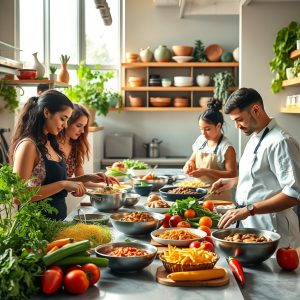
Consider the humble carrot, for instance. In a traditional kitchen, the tops might be discarded, but in a zero-waste fine dining setting, they are dehydrated into powders for garnishes, blended into vibrant pestos, or even fermented into tangy condiments. The peels? They might be candied into delicate crisps or infused into syrups for cocktails. This level of ingenuity ensures that nothing is wasted, and every component of an ingredient is honored for its unique flavor and texture.
Hyper-Local Sourcing: The Foundation of Circular Gastronomy
The zero-waste movement in luxury hotels is deeply intertwined with hyper-local sourcing. By forging partnerships with nearby farms, fisheries, and artisanal producers, these establishments not only reduce their carbon footprint but also ensure that their ingredients are as fresh and flavorful as possible. This farm-to-table ethos is taken a step further by adopting a closed-loop system, where waste from the kitchen is composted and returned to the soil, nourishing the very farms that supply the hotel.
Take, for example, a luxury hotel in Tuscany that collaborates with a local olive oil producer. The hotel sources its olive oil directly from the farm, and in return, the spent olive pits are repurposed into biofuel or even used as a natural exfoliant in the hotel’s spa. This symbiotic relationship exemplifies the circular economy in action, where every resource is valued and nothing is discarded.
The Role of Fermentation and Preservation
Fermentation and preservation techniques play a pivotal role in zero-waste fine dining, allowing chefs to extend the lifespan of ingredients while enhancing their flavors. In luxury hotels, these methods are not just practical; they are a testament to the chef’s skill and creativity. House-made miso, fermented from leftover grains and legumes, might be used to glaze roasted vegetables, while fruit scraps are transformed into vibrant shrubs for cocktails. Even coffee grounds find new life as a rub for meats or a key ingredient in decadent desserts.
These techniques also allow hotels to embrace seasonality without compromise. By preserving surplus ingredients, chefs can continue to showcase the best of what each season has to offer, even as the calendar turns. A summer tomato, for instance, might be sun-dried or turned into a rich confit, ensuring that its essence is captured and enjoyed long after its peak.
The Art of Plating: Where Aesthetics Meet Sustainability
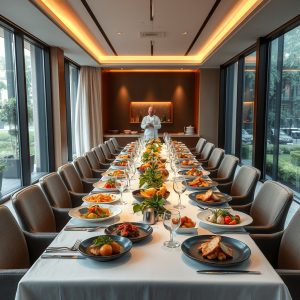
In zero-waste fine dining, presentation is just as important as flavor. Chefs in luxury hotels understand that diners eat with their eyes first, and they use this to their advantage by crafting plates that are as visually stunning as they are sustainable. Edible flowers, microgreens, and delicate herb garnishes are not just decorative; they are integral parts of the dish, often grown in the hotel’s own rooftop garden or sourced from local foragers.
Even the tableware is thoughtfully chosen to reflect the zero-waste ethos. Plates made from recycled materials, utensils crafted from reclaimed wood, and napkins woven from organic cotton all contribute to the narrative of sustainability. The dining experience becomes a holistic journey, where every element—from the food to the ambiance—tells a story of mindful luxury.
In-Room Dining Reimagined: Zero-Waste Meets Personalized Luxury
The zero-waste philosophy extends beyond the hotel’s restaurant to its in-room dining experience. Gone are the days of single-use plastics and excessive packaging. Instead, luxury hotels are embracing reusable containers, compostable materials, and even edible packaging for condiments and sauces. Menus are designed to minimize waste, with dishes that can be easily portioned and repurposed, ensuring that leftovers are just as delicious as the original meal.
For the discerning traveler, this attention to detail is what sets a truly exceptional hotel apart. It’s not just about the convenience of dining in the privacy of one’s suite; it’s about knowing that every aspect of the experience has been thoughtfully considered, from the sourcing of ingredients to the presentation of the final dish. Zero-waste in-room dining is not a compromise—it is an elevation of the guest experience, where luxury and sustainability coexist seamlessly.
The Future of Fine Dining: A Zero-Waste Revolution
The zero-waste movement is not a fleeting trend; it is a fundamental shift in the way we think about food, luxury, and hospitality. As more elite hotels embrace this philosophy, they are proving that sustainability and indulgence are not opposing forces but complementary elements of a new era in fine dining. Guests are no longer satisfied with mere extravagance; they demand experiences that are meaningful, responsible, and deeply connected to the world around them.
This evolution is also reshaping the role of the chef. No longer confined to the kitchen, today’s culinary innovators are storytellers, educators, and advocates for change. They are challenging the status quo, pushing the boundaries of what is possible, and inspiring a new generation of diners to think differently about the food on their plates. In the hands of these visionaries, zero-waste fine dining is not just a culinary trend—it is a revolution, one that is redefining the very essence of luxury hospitality.
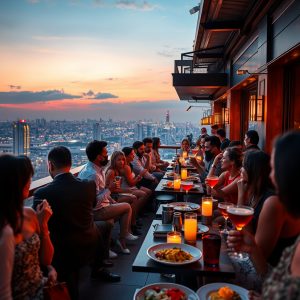
As the sun sets over a rooftop lounge, where the last sips of a cocktail crafted from repurposed fruit peels are savored, it becomes clear that the future of fine dining is not just about what we eat, but how we eat. It is a future where every bite tells a story, every ingredient is cherished, and every meal is a celebration of the earth’s bounty. In this world, luxury is not measured by excess, but by the depth of thought, care, and creativity that goes into every dish. And perhaps, that is the most exquisite indulgence of all.