The Alchemy of Hyper-Local: How Luxury Hotels Are Crafting Gourmet Menus with Foraged and Artisanal Ingredients
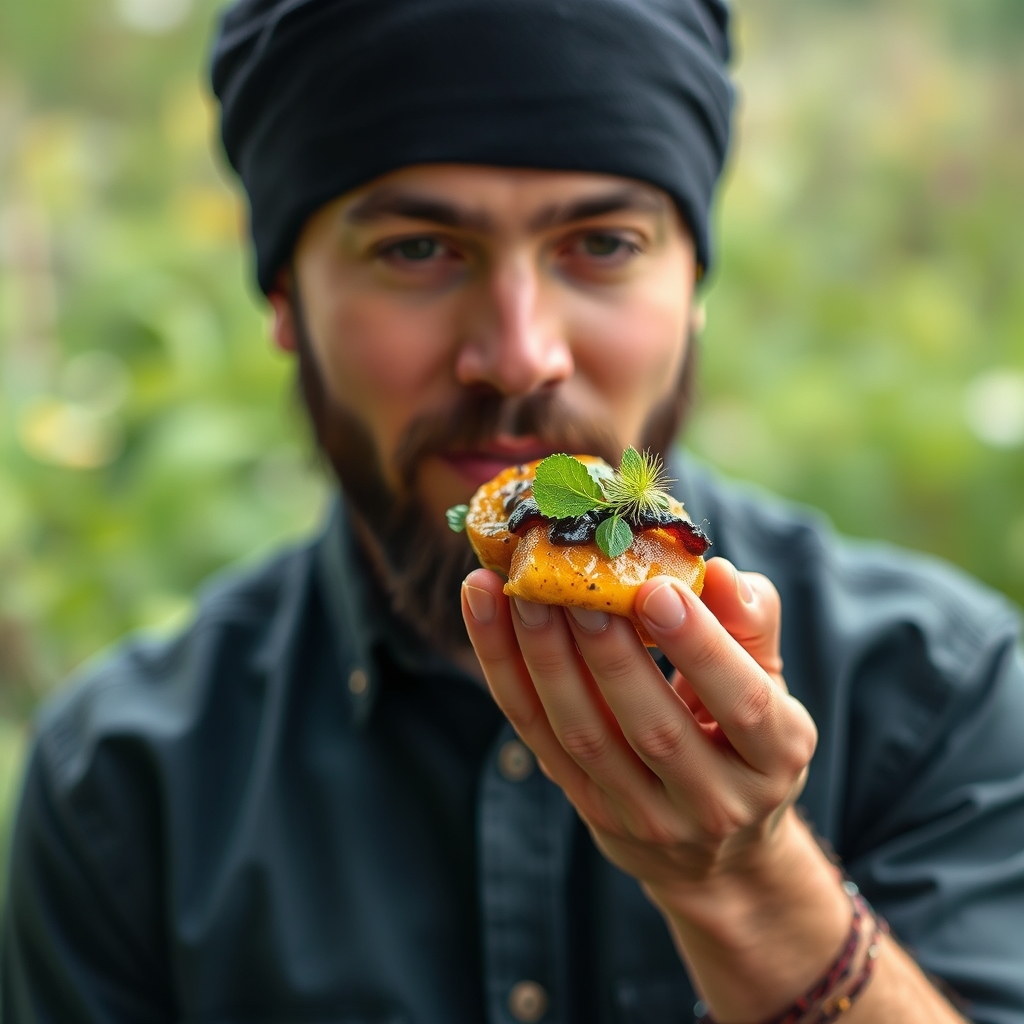
In the rarefied world of luxury hotel dining, a quiet revolution is unfolding—one that marries the precision of haute cuisine with the untamed beauty of hyper-local ingredients. Gone are the days when fine dining relied solely on imported delicacies and global supply chains. Today, the most visionary hotels are turning to their own backyards, forging relationships with local farmers, foragers, and artisans to create menus that are as much a celebration of place as they are of flavor. This is not just a trend; it’s a redefinition of what it means to dine in opulence.
The Forager’s Pantry: Rediscovering the Wild
Imagine a dish where the star ingredient is a mushroom plucked from the forest floor just hours before service, its earthy aroma still clinging to its delicate gills. Or a salad where each leaf is a wild green, handpicked from a nearby meadow, its peppery bite a testament to the soil it grew in. This is the essence of hyper-local dining—a philosophy that treats the landscape as an extension of the kitchen. Luxury hotels are increasingly employing foragers to scour nearby woods, coastlines, and fields for edible treasures, from morels and ramps to sea beans and samphire. These ingredients, often overlooked in conventional dining, bring a sense of discovery and authenticity to the plate.
At properties like the Blackberry Mountain in Tennessee or Belmond Le Manoir aux Quat’Saisons in the UK, foraged ingredients are not just garnishes but the backbone of entire menus. Chefs work closely with foragers to understand the seasonality and terroir of each find, ensuring that every dish tells a story of the land. The result is a dining experience that feels both primal and refined, where the wildness of nature is tamed by the precision of a Michelin-trained hand.
The Artisan’s Touch: Elevating the Everyday
Hyper-local dining isn’t just about the wild; it’s also about the crafted. Luxury hotels are partnering with local artisans to source ingredients that are as much a product of human skill as they are of nature. Think of a wedge of cheese aged in a nearby cave, its rind washed with local wine, or a loaf of sourdough bread baked with flour milled from heritage grains grown just miles away. These are not just ingredients; they are heirlooms, passed down through generations of craftspeople, each bite a connection to the community.
Hotels like The Lodge at Blue Sky in Utah have taken this ethos to heart, collaborating with local cheesemongers, beekeepers, and charcuterie makers to create a larder that is as diverse as it is delicious. The cheese board, once a predictable affair of imported brie and camembert, is now a journey through the region’s dairy traditions, with each wedge offering a new perspective on flavor and texture. Similarly, the bread basket has been elevated from a mere prelude to the meal into a showcase of artisanal mastery, with loaves that are as beautiful as they are delicious.
The Chef as Curator: Crafting Menus with a Sense of Place
The shift toward hyper-local ingredients has also transformed the role of the chef. No longer merely a technician, the modern luxury hotel chef is a curator, a storyteller, and a custodian of local culture. Menus are no longer static but evolve with the seasons, reflecting the ebb and flow of the natural world. A winter tasting menu might feature root vegetables roasted in local honey and served with a reduction of foraged berries, while a summer spread could highlight heirloom tomatoes drizzled with basil oil and paired with a crisp white wine from a nearby vineyard.
This approach requires a deep understanding of the ingredients and their origins. Chefs spend time on the farms, in the forests, and in the workshops of their collaborators, learning the nuances of each product. At The Inn at Little Washington in Virginia, Chef Patrick O’Connell has long been a pioneer of this philosophy, designing menus that are a love letter to the Mid-Atlantic region. His dishes, such as the famous