The Art of Zero Waste Cooking: Crafting Delicious Meals from Root to Stem
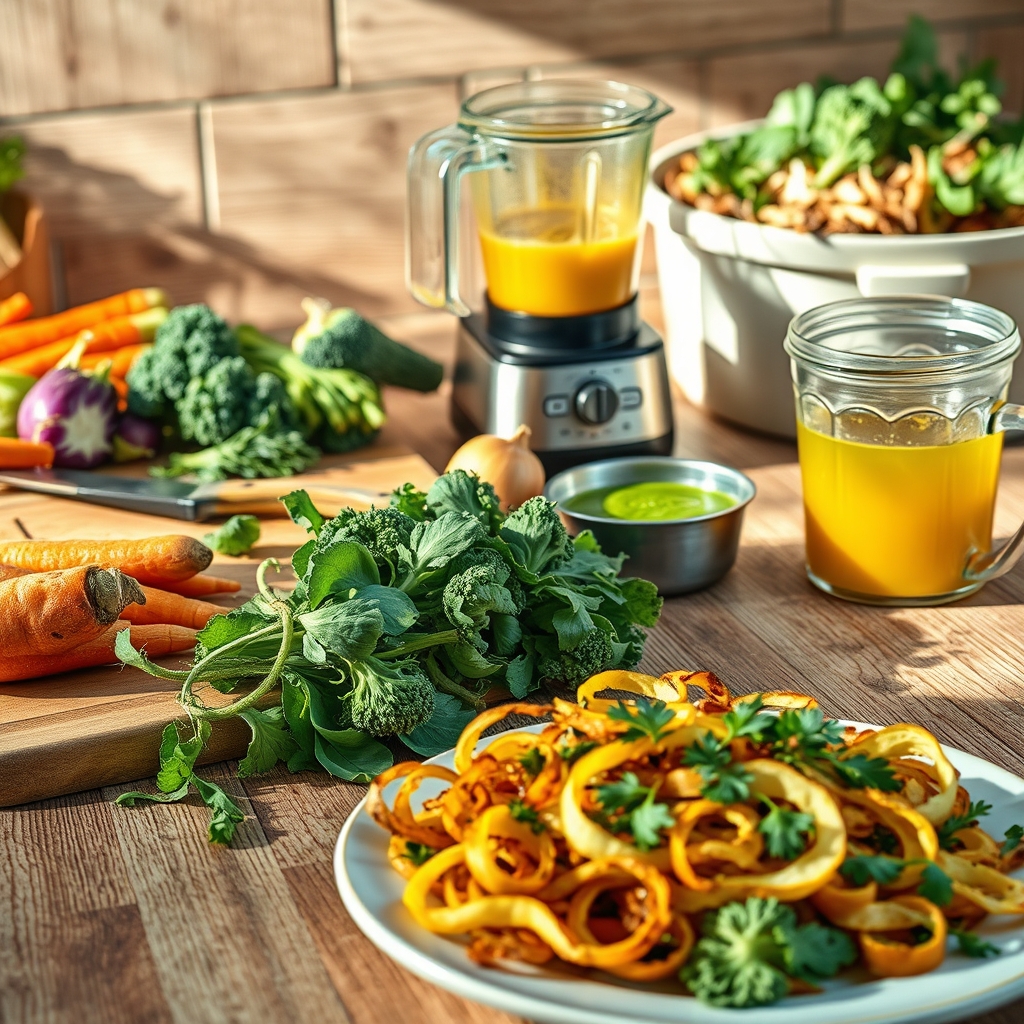
In a world where food waste accounts for nearly one-third of all global production, zero waste cooking has emerged as both a necessity and a culinary art form. This movement isn’t just about reducing scraps—it’s about reimagining how we interact with food, transforming what was once discarded into vibrant, flavorful dishes that celebrate sustainability without sacrificing taste. From the humble carrot top to the often-overlooked broccoli stem, every part of an ingredient holds potential, waiting to be unlocked by creative techniques and a shift in perspective.
The Philosophy Behind Zero Waste Cooking
At its core, zero waste cooking is rooted in the principle of using every edible part of an ingredient. This approach isn’t new—many traditional cuisines around the world have long embraced nose-to-tail and root-to-stem cooking. What’s changed is the urgency. With landfills overflowing and climate concerns mounting, home cooks and chefs alike are turning to these age-old practices, infusing them with modern innovation to create dishes that are as delicious as they are responsible.
The philosophy extends beyond the kitchen. It’s about mindful shopping, proper storage, and even composting what truly can’t be used. Zero waste cooking encourages us to see food not as a disposable commodity but as a precious resource, one that deserves our respect and creativity. It’s a practice that challenges us to think differently about what we eat and how we prepare it.
Techniques to Transform Scraps into Culinary Gold
One of the most exciting aspects of zero waste cooking is the sheer variety of techniques that can breathe new life into food scraps. Take vegetable peels, for example. Instead of tossing them into the compost bin, they can be roasted into crispy chips, blended into soups, or even fermented into tangy pickles. Carrot peels add depth to broths, while potato skins can be fried into crunchy snacks or incorporated into hearty fritters.
Fermentation and Preservation
Fermentation is a powerful tool in the zero waste arsenal. Vegetable scraps like cabbage cores, radish tops, or herb stems can be transformed into probiotic-rich ferments, adding complexity and umami to meals. A simple sauerkraut or kimchi can be made from almost any vegetable trimmings, while fruit peels and cores can be turned into vinegars or infused into shrubs for cocktails and mocktails. These methods not only reduce waste but also enhance the nutritional profile of the food, making it a win-win for both the planet and our palates.
Broths and Stocks: The Foundation of Flavor
Homemade broths are perhaps the most iconic example of zero waste cooking in action. Onion skins, herb stems, mushroom stalks, and even shrimp shells can be simmered into rich, flavorful stocks that form the base of soups, stews, and sauces. The key is to keep a container in the freezer where scraps can be collected over time, ensuring that nothing goes to waste. A well-made broth is the ultimate expression of resourcefulness, turning what many consider trash into liquid gold.
Upcycling with Creativity
Upcycled food snacks have gained popularity in recent years, but zero waste cooking takes this concept into the home kitchen. Stale bread can be transformed into croutons, breadcrumbs, or even a decadent bread pudding. Overripe fruit finds new life in smoothies, jams, or baked goods. Even coffee grounds can be repurposed—used as a rub for meats, infused into desserts, or even as a natural exfoliant in DIY skincare. The possibilities are limited only by imagination.
Global Inspiration for Zero Waste Dishes
Around the world, cultures have long practiced zero waste cooking out of necessity, and their dishes offer a wealth of inspiration. In Japan, okara—the pulp left over from making soy milk—is used in pancakes, soups, and even veggie burgers. In Italy, ribollita, a hearty Tuscan soup, was born from the tradition of reheating leftover bread and vegetables. Indian cuisine features dishes like thorans, where vegetable peels and stems are stir-fried with coconut and spices, creating a dish that’s as flavorful as it is sustainable.
These global traditions remind us that zero waste cooking isn’t about deprivation—it’s about abundance. It’s about discovering new flavors and textures in parts of ingredients we might have otherwise overlooked. By drawing from these time-honored practices, we can infuse our own cooking with creativity and a deeper connection to the food we eat.
Tools and Tips for the Zero Waste Kitchen
Adopting zero waste cooking doesn’t require a complete kitchen overhaul, but a few key tools and habits can make the process smoother. A high-speed blender is invaluable for turning scraps into sauces, smoothies, or even flour. A good set of storage containers helps keep ingredients fresh, while a compost bin ensures that any truly inedible scraps are returned to the earth. Meal planning and mindful shopping—buying only what you need and using what you have—are also essential practices.
One of the most important tools, however, is a willingness to experiment. Zero waste cooking thrives on curiosity and adaptability. It’s about tasting as you go, adjusting seasonings, and embracing the occasional happy accident. Whether it’s a new spice blend, a different cooking method, or an unexpected ingredient pairing, the kitchen becomes a laboratory where sustainability and creativity collide.
As we navigate a world where resources are finite and the impact of our choices is more visible than ever, zero waste cooking offers a path forward. It’s a practice that nourishes not just our bodies but our communities and the planet. By rethinking how we use food, we can turn every meal into an opportunity to reduce waste, rediscover flavor, and reconnect with the ingredients that sustain us. The scraps we once discarded become the stars of the show, proving that sustainability and deliciousness are not mutually exclusive—they’re two sides of the same coin, waiting to be explored in every kitchen.