The Intersection of Intuition and Innovation: How Adaptive Workflows and Creative Ingredient Pairing Are Redefining Home Cooking
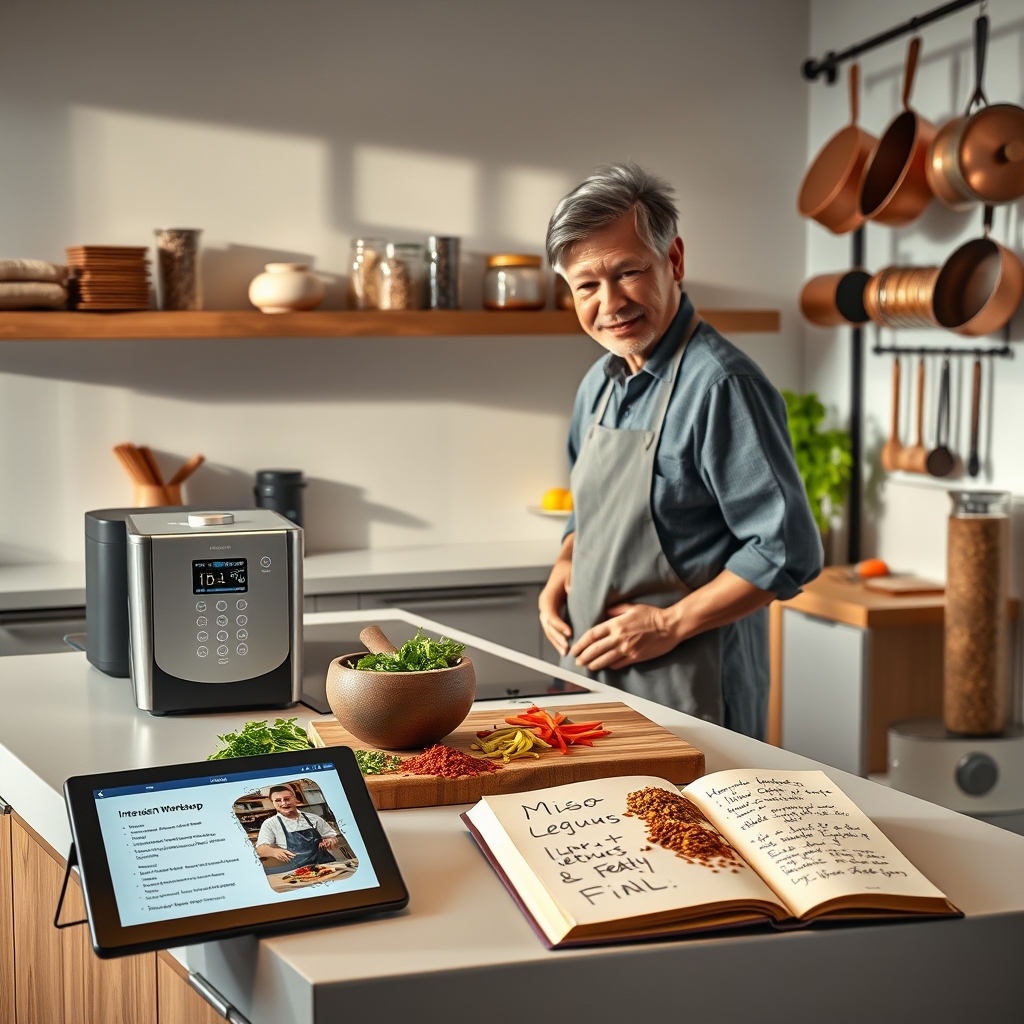
The modern home kitchen is no longer just a place to prepare meals—it has become a dynamic laboratory where tradition meets cutting-edge innovation. As culinary enthusiasts seek deeper connections with their food, a new wave of adaptive cooking workflows and creative ingredient pairing is emerging, transforming how we approach cooking from the ground up. These methods don’t just streamline the process; they invite experimentation, personalization, and a renewed sense of discovery in every dish.
The Rise of Adaptive Cooking Workflows
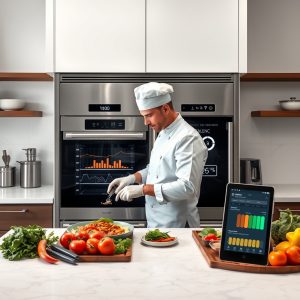
Gone are the days of rigid recipes that demand strict adherence. Today’s home cooks are embracing adaptive workflows that flex with their skills, schedules, and even moods. These workflows leverage technology—such as smart kitchen appliances and AI-driven cooking assistants—to provide real-time guidance while allowing for improvisation. For instance, a sous-vide machine paired with a mobile app can suggest optimal cooking times and temperatures, but it also encourages users to adjust based on their preferences, whether that means a longer sear for extra crispiness or a shorter cook time for a more tender bite.
This adaptability extends beyond gadgets. Meal prep strategies are evolving to accommodate busy lifestyles, with techniques like modular cooking—where components of a dish are prepared separately and assembled later—gaining popularity. This approach not only saves time but also reduces food waste, as ingredients can be repurposed across multiple meals. The result? A kitchen that works for the cook, not the other way around.
The Art of Creative Ingredient Pairing
At the heart of every memorable dish is a bold combination of flavors, and creative ingredient pairing is taking this concept to new heights. What once relied solely on culinary intuition is now being augmented by data-driven insights, cultural exploration, and even scientific research. Tools like flavor databases and AI-powered pairing suggestions are helping home cooks uncover unexpected synergies, such as the umami-rich harmony of miso and chocolate or the bright contrast of citrus with fatty fish.
This trend is also deeply rooted in cultural culinary preservation. As global cuisines become more accessible, home cooks are blending traditional techniques with local ingredients, creating fusion dishes that honor heritage while embracing innovation. For example, a classic Italian risotto might be reimagined with quinoa and turmeric, or a Japanese ramen broth could incorporate regional vegetables and spices. These pairings aren’t just about novelty; they’re about storytelling, connecting the past with the present through every bite.
Tech-Assisted Precision Meets Intuitive Cooking
While technology plays a pivotal role in modern cooking, it’s not about replacing intuition—it’s about enhancing it. Tech-assisted precision cooking tools, like smart scales and temperature probes, provide the data needed to achieve consistency, but they leave room for the cook’s instincts to shine. A digital thermometer can ensure a steak is cooked to the perfect medium-rare, but it’s the cook’s sense of timing and touch that determines when to pull it from the heat.
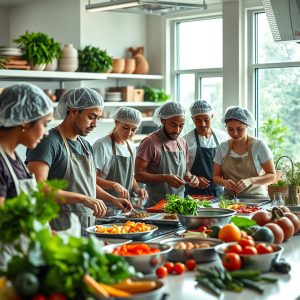
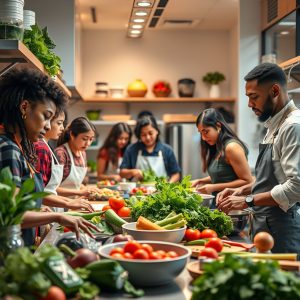
Similarly, interactive kitchen workshops are bridging the gap between professional techniques and home cooking. Virtual classes led by chefs offer real-time feedback, allowing participants to refine their skills while experimenting with new methods. These workshops often emphasize mindful food preparation, encouraging cooks to engage all their senses—smell, touch, sound—to deepen their understanding of ingredients and techniques.
Sustainability as a Guiding Principle
No discussion of modern cooking would be complete without addressing sustainable ingredient sourcing. Today’s home cooks are increasingly conscious of where their food comes from, opting for locally grown produce, ethically sourced proteins, and zero-waste cooking practices. This shift isn’t just about reducing environmental impact; it’s about reconnecting with the food system and making choices that align with personal values.
Creative ingredient pairing plays a role here, too. By learning to use every part of an ingredient—think carrot tops in pesto or citrus peels in infused oils—cooks can minimize waste while maximizing flavor. This approach not only saves money but also fosters a deeper appreciation for the ingredients themselves, turning even the simplest meals into acts of creativity and care.
The Future of Home Cooking: A Blend of Tradition and Innovation
The kitchen of the future isn’t defined by gadgets or gimmicks; it’s defined by a balance between innovation and intuition. Adaptive workflows and creative ingredient pairings are empowering home cooks to break free from the constraints of traditional recipes, encouraging them to experiment, learn, and grow. Whether it’s through the precision of smart tools, the inspiration of global flavors, or the mindfulness of sustainable practices, the modern kitchen is a space where creativity knows no bounds.
As we continue to explore the possibilities of home cooking, one thing is clear: the most exciting culinary experiences are those that blend the best of both worlds. By embracing technology without losing sight of tradition, and by trusting our instincts while remaining open to new ideas, we can transform every meal into an opportunity for discovery. The kitchen is no longer just a place to cook—it’s a place to create, connect, and celebrate the art of food.