The Art of Culinary Theater: How Luxury Hotels Are Transforming Dining into an Immersive Sensory Experience
The modern luxury hotel no longer treats dining as a mere amenity—it has evolved into a form of high art, a carefully choreographed performance where every detail, from the flicker of candlelight to the whisper of truffle shavings, is designed to captivate the senses. This is the era of culinary theater, where gourmet restaurants transcend traditional fine dining to create experiences that linger in memory long after the last bite. The stage is set not just with exquisite ingredients, but with storytelling, innovation, and an almost cinematic attention to atmosphere.
The Rise of the Multi-Sensory Dining Experience
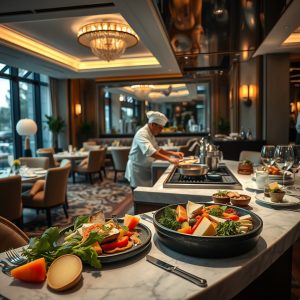
Gone are the days when a beautifully plated dish was enough to impress. Today’s discerning diners crave immersion—an experience that engages sight, sound, smell, and even touch. Luxury hotels are responding by designing dining spaces that feel like private galleries, where the architecture, lighting, and even the acoustics are meticulously curated. Imagine a rooftop lounge where the skyline serves as a backdrop to a chef’s tasting menu, or a subterranean wine cellar where the hum of conversation blends with the clink of crystal glasses to create an intimate, almost sacred ambiance.
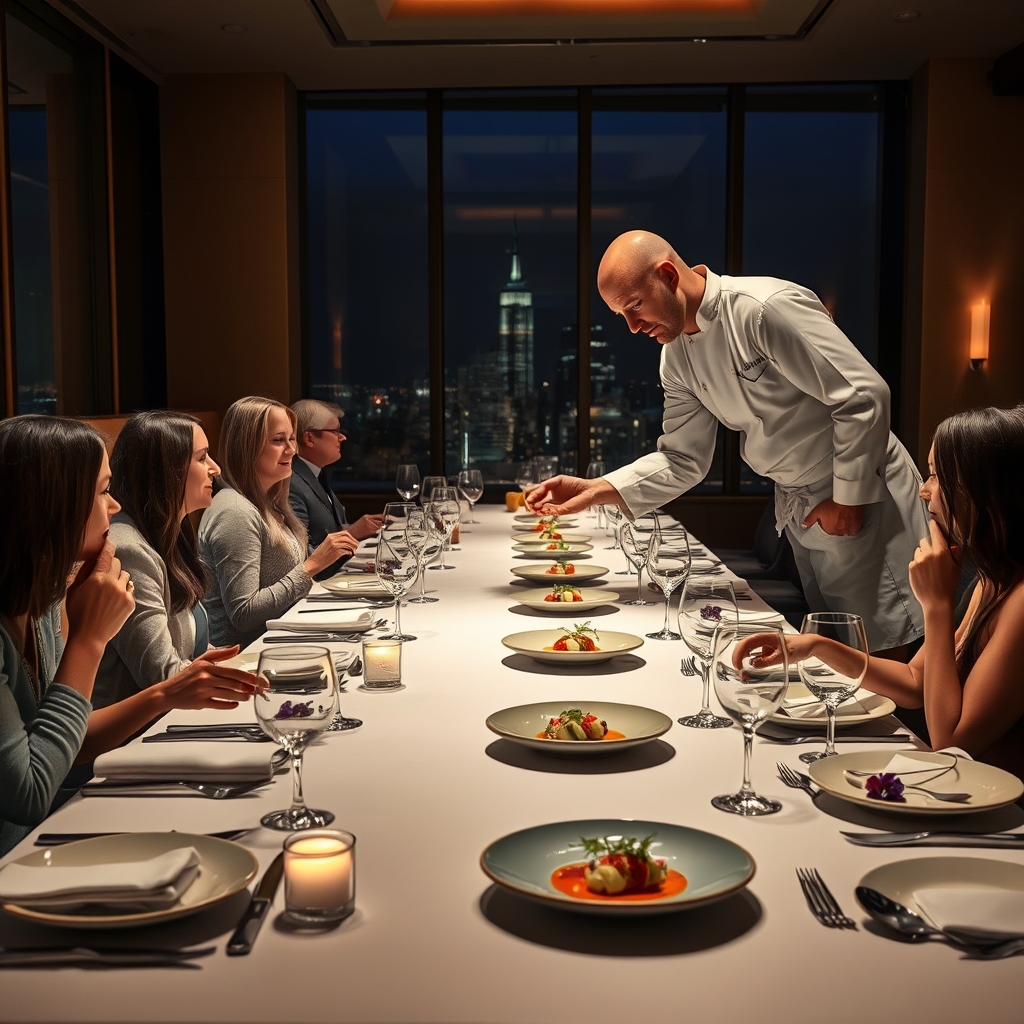
At the heart of this evolution is the concept of culinary theater—a term that encapsulates the performative aspect of modern fine dining. Chefs are no longer hidden in the kitchen; they are front and center, often interacting with guests, explaining the inspiration behind each course, or even preparing dishes tableside. This interaction transforms a meal into a narrative, where each dish is a chapter in a larger story. The result? A dining experience that feels deeply personal, almost like a private performance tailored just for you.
The Role of Hyper-Local and Seasonal Ingredients in Crafting the Narrative
One of the most compelling ways luxury hotels are elevating their culinary theater is through the use of hyper-local and seasonal ingredients. These elements do more than just ensure freshness—they ground the dining experience in a sense of place and time. A menu that changes with the seasons is not just a testament to a chef’s creativity; it’s an invitation to savor the ephemeral beauty of nature’s bounty.
Consider a boutique hotel nestled in the vineyards of Tuscany, where the chef sources tomatoes, basil, and olive oil from the property’s own gardens. The dishes served here are not just meals; they are a celebration of the land, a homage to the region’s agricultural heritage. Similarly, a coastal hotel in Thailand might feature a tasting menu built around sustainably sourced seafood, where each course tells the story of the local fishing community. These narratives resonate deeply with diners, transforming a meal into a journey of discovery.
The Magic of the Chef’s Tasting Menu
No discussion of culinary theater would be complete without mentioning the chef’s tasting menu—a format that has become the gold standard for immersive dining. Unlike à la carte dining, where guests choose from a list of options, a tasting menu is a curated journey, a symphony of flavors and textures designed to unfold in perfect harmony. Each course is a surprise, a carefully crafted moment that builds on the last, leading the diner through a progression of emotions and sensations.
What makes a tasting menu truly unforgettable is the element of storytelling. A chef might draw inspiration from a personal memory, a cultural tradition, or even a historical event, weaving these themes into the menu’s narrative. For example, a tasting menu at a luxury hotel in Kyoto might take diners on a journey through the seasons, with each course representing a different moment in Japan’s agricultural calendar. The presentation is equally important—dishes are often served on handcrafted ceramics or in vessels that evoke a sense of place, adding another layer of depth to the experience.
The Fusion of Tradition and Innovation
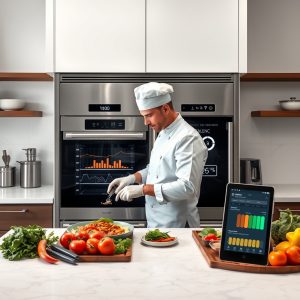
While tradition plays a crucial role in culinary theater, innovation is what keeps the experience fresh and exciting. Luxury hotels are increasingly blending time-honored techniques with cutting-edge technology to create dishes that are as visually stunning as they are delicious. Think of a dessert that arrives at the table with a puff of smoke, revealing a hidden layer of flavor, or a dish that incorporates edible flowers and microgreens to create a garden on the plate.
This fusion of old and new is particularly evident in the rise of molecular gastronomy, a culinary movement that uses scientific techniques to deconstruct and reimagine classic dishes. Luxury hotels are embracing this trend, offering diners the chance to experience familiar flavors in entirely new ways. A dish like foie gras might be transformed into a delicate foam, or a classic cocktail might be served as a sphere that bursts with flavor on the tongue. These innovations are not just gimmicks—they are a testament to the endless possibilities of modern cuisine.
The Importance of Ambiance and Service
Of course, no culinary theater experience would be complete without the perfect ambiance and impeccable service. Luxury hotels understand that the setting is just as important as the food itself. A rooftop lounge with panoramic views of a city skyline, a candlelit garden terrace, or a sleek, modern dining room with floor-to-ceiling windows—each of these spaces is designed to enhance the dining experience, creating a sense of anticipation and wonder.
Service, too, plays a pivotal role. In the world of culinary theater, waitstaff are not just servers; they are performers, guiding diners through the experience with grace and expertise. They might explain the story behind a dish, suggest the perfect wine pairing, or even share a personal anecdote about the chef’s inspiration. This level of attention to detail ensures that every moment at the table feels special, as if the entire restaurant is conspiring to create an unforgettable evening.
The Future of Culinary Theater: Where Technology Meets Tradition
As we look to the future, it’s clear that culinary theater will continue to evolve, with technology playing an increasingly important role. Augmented reality (AR) and virtual reality (VR) are already being explored as tools to enhance the dining experience, allowing guests to interact with their food in entirely new ways. Imagine donning a pair of AR glasses to see the journey of an ingredient from farm to table, or using VR to transport yourself to the vineyard where your wine was produced.
Yet, even as technology advances, the heart of culinary theater will always remain the same: the desire to create moments of connection, wonder, and joy. Whether it’s through a perfectly seared scallop, a glass of rare vintage wine, or the simple pleasure of sharing a meal with loved ones, the goal is to create an experience that transcends the ordinary. In a world where dining has become so much more than just sustenance, luxury hotels are leading the way, proving that the art of culinary theater is here to stay.
The next time you find yourself seated at a table in a luxury hotel restaurant, take a moment to look beyond the plate. Notice the way the light dances on the silverware, the way the sommelier describes the wine’s notes with such passion, the way the chef’s hands move with precision and care. These are the details that transform a meal into a memory, a fleeting moment of indulgence that lingers long after the last course has been served. In the hands of a master, dining is not just an act of nourishment—it is an act of creation, a symphony of flavors and emotions that invites you to savor not just the food, but the experience itself.