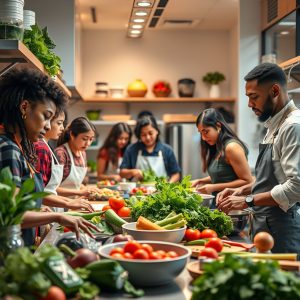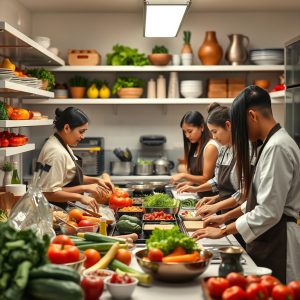
The Secret Language of Ingredients: How Luxury Hotels Are Crafting Gourmet Narratives Through Hyper-Local and Artisanal Sourcing
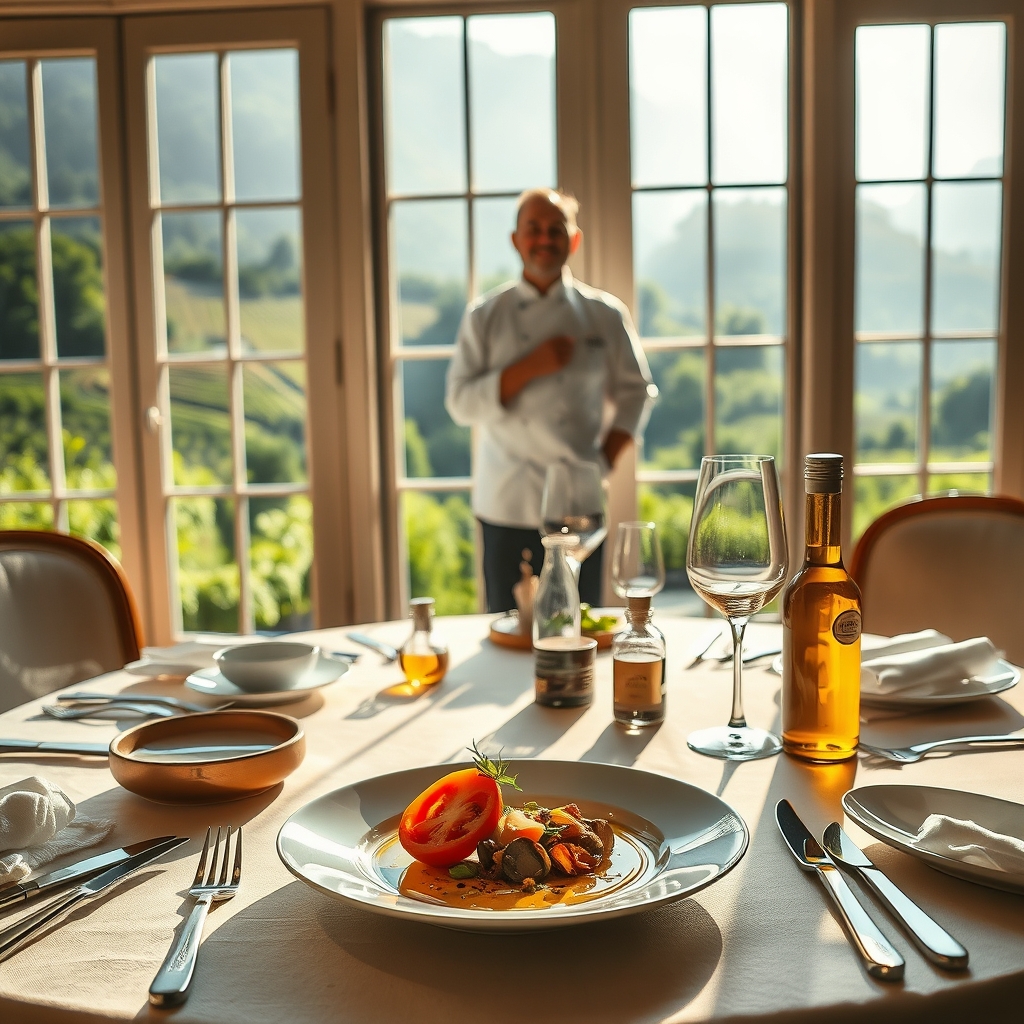
The modern luxury hotel dining experience has transcended mere sustenance, evolving into a carefully choreographed narrative where every ingredient tells a story. No longer confined to the rigid expectations of traditional fine dining, today’s most visionary hotels are weaving hyper-local and artisanal sourcing into the very fabric of their culinary identity. This is not just about serving food—it’s about crafting an immersive journey that connects diners to the land, the people, and the traditions behind each dish.
The Rise of the Ingredient Cartographer
At the heart of this movement is a new breed of chefs who see themselves as ingredient cartographers, mapping the terroir of their surroundings with precision and reverence. In boutique hotels nestled in the vineyards of Tuscany, the misty highlands of Scotland, or the sun-drenched coasts of California, these culinary explorers scour local farms, fisheries, and artisanal producers to uncover hidden gems. A single olive oil pressed from century-old trees, a rare breed of heirloom tomato, or a wild herb foraged from a nearby forest becomes the cornerstone of a dish, imbued with the essence of its origin.
This hyper-local approach is not merely a trend but a fundamental shift in how luxury hotels approach dining. It’s a rejection of the homogenized, globally sourced ingredients that once defined high-end cuisine in favor of a more authentic, place-driven philosophy. The result? Menus that are as unique as the destinations themselves, offering guests a taste of the locale that cannot be replicated elsewhere.
The Art of the Artisanal: Elevating the Everyday
Artisanal sourcing is another pillar of this culinary renaissance, where the craftsmanship behind an ingredient takes center stage. Luxury hotels are increasingly partnering with local artisans—cheesemongers, charcuterie makers, bakers, and chocolatiers—to create bespoke products that elevate even the simplest dishes. Imagine a breakfast spread where the butter is churned from the milk of grass-fed cows on a nearby farm, the bread is baked in a wood-fired oven using locally milled flour, and the honey is harvested from hives perched on the hotel’s rooftop garden. This is not just breakfast; it’s a celebration of craftsmanship and community.
These collaborations extend beyond the plate, often becoming part of the hotel’s broader narrative. Guests might be invited to visit the farms or workshops where these ingredients are produced, turning a meal into an experiential journey. In some cases, hotels even commission artisans to create exclusive products, such as a signature cheese or a house-cured charcuterie, that become synonymous with the property’s culinary identity. This level of customization transforms dining from a transactional experience into a deeply personal one, where every bite is a testament to the skill and passion of the people behind it.
The Tasting Menu as a Storytelling Device
Perhaps nowhere is this narrative-driven approach more evident than in the chef’s tasting menu, a format that has evolved from a showcase of technical skill into a medium for storytelling. Each course is a chapter, meticulously designed to unfold like a well-crafted tale. A dish might begin with a single bite of foraged mushroom, its earthy umami hinting at the forest floor, followed by a delicate consommé infused with the essence of local herbs, and culminating in a main course that features a heritage breed of poultry raised just miles from the hotel. The progression is not just about flavor but about evoking a sense of place and time.
Seasonality plays a crucial role in this narrative, with menus changing not just with the calendar but with the whims of nature. A sudden rainstorm might inspire a dish featuring freshly picked wild mushrooms, while a bountiful harvest could lead to an impromptu celebration of heirloom vegetables. This ephemeral quality adds an element of surprise and exclusivity, ensuring that no two dining experiences are ever the same. For the guest, it’s an invitation to savor the moment, to be present in a way that is increasingly rare in our fast-paced world.
The Sustainable Imperative: Dining with a Conscience
Underpinning this hyper-local and artisanal movement is a growing commitment to sustainability, a value that resonates deeply with today’s discerning travelers. Luxury hotels are no longer content to simply source locally; they are actively working to minimize their environmental footprint, whether through zero-waste kitchens, regenerative farming practices, or partnerships with conservation-minded producers. This ethos extends to the dining experience itself, where menus are designed to highlight ingredients that are not only delicious but also responsibly sourced.
For example, a hotel might feature a seafood dish made with line-caught fish from a nearby sustainable fishery, or a vegetable-forward tasting menu that showcases the bounty of a local organic farm. These choices are not made in isolation but are part of a broader philosophy that views dining as an opportunity to support and sustain the communities in which these hotels operate. Guests, in turn, are increasingly seeking out these experiences, drawn to the idea of indulgence without guilt—a luxury that aligns with their values.
The Future of Hotel Dining: A Return to Roots
As the lines between luxury and authenticity continue to blur, the future of hotel dining lies in a return to roots—both literally and metaphorically. The most forward-thinking properties are those that embrace their surroundings, forging deep connections with local producers, artisans, and traditions. This is not about rejecting the innovations of modern gastronomy but about grounding them in a sense of place and purpose. Whether it’s a rooftop lounge serving cocktails infused with herbs from the hotel’s garden or a fine-dining restaurant offering a tasting menu that traces the journey of an ingredient from farm to plate, the goal is the same: to create an experience that is as meaningful as it is memorable.
The true magic of this approach lies in its ability to transform dining into something greater than the sum of its parts. It’s no longer just about the food on the plate but about the stories it tells, the people it honors, and the land it celebrates. In a world where experiences are the new currency of luxury, these hyper-local and artisanal narratives offer something far more valuable than a meal—they offer a connection, a memory, and a sense of belonging that lingers long after the last bite is savored.