The Art of Hyper-Local Elegance: How Luxury Hotels Are Crafting Immersive Tasting Menus with Foraged and Artisanal Ingredients
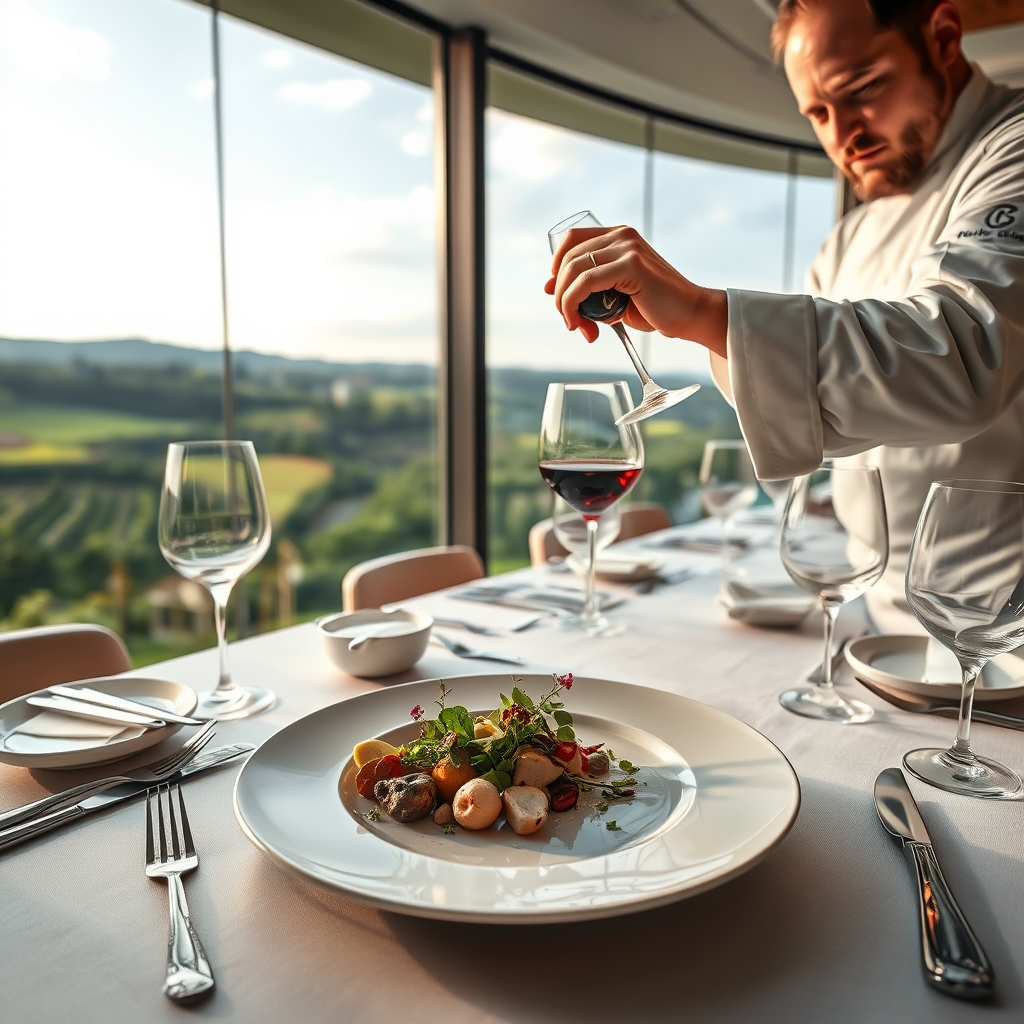
In the rarefied world of luxury hotel dining, a quiet revolution is unfolding—one where the plate becomes a canvas, and every ingredient tells a story. Gone are the days when fine dining relied solely on imported delicacies and global supply chains. Today, the most visionary hotels are embracing hyper-local sourcing, forging deep connections with nearby farmers, foragers, and artisans to create tasting menus that capture the essence of their surroundings. This movement is not just about sustainability; it’s about crafting an experience that is as immersive as it is exquisite, where each bite transports diners to the very heart of the region.
The Philosophy Behind Hyper-Local Tasting Menus
At the core of this culinary evolution lies a philosophy that prioritizes authenticity, seasonality, and terroir. Chefs in luxury hotels are increasingly turning to the land around them, seeking out ingredients that are not only fresh but also imbued with the unique character of their origin. Whether it’s wild herbs foraged from coastal cliffs, heirloom vegetables grown in nearby organic farms, or artisanal cheeses aged in local caves, these elements form the foundation of menus that are as much about place as they are about flavor.
This approach is a far cry from the traditional fine dining model, where ingredients were often sourced from distant locales to ensure consistency. Instead, hyper-local tasting menus celebrate the ephemeral nature of food, embracing the idea that the best dishes are those that reflect the moment—whether it’s the first harvest of spring asparagus or the last wild mushrooms of autumn. For diners, this means an ever-evolving culinary journey, where no two visits are ever quite the same.
The Role of Foraging in Modern Luxury Dining
Foraging has emerged as a cornerstone of hyper-local dining, offering chefs a direct connection to the natural world. In boutique hotels and five-star establishments alike, culinary teams are venturing into forests, meadows, and shorelines to gather wild ingredients that add depth and intrigue to their dishes. Think of delicate sea aster plucked from salt marshes, or morel mushrooms unearthed after a spring rain—these are the treasures that elevate a tasting menu from merely excellent to truly unforgettable.
But foraging is more than just a trend; it’s a return to the roots of gastronomy. Chefs who forage must possess not only a deep knowledge of botany but also an understanding of sustainability. The best practitioners adhere to strict ethical guidelines, ensuring that their harvesting practices do not deplete local ecosystems. This mindful approach resonates with diners who are increasingly conscious of the environmental impact of their choices, making foraging a powerful tool for both culinary innovation and conservation.
The Art of Artisanal Collaboration
Hyper-local dining extends beyond foraging to encompass partnerships with local artisans. Luxury hotels are collaborating with nearby producers to source everything from small-batch olive oils to handcrafted charcuterie, infusing their menus with a sense of craftsmanship that mass-produced ingredients simply cannot match. These collaborations often go beyond transactional relationships, evolving into creative partnerships where chefs and artisans work together to develop bespoke products tailored to the hotel’s culinary vision.
For example, a hotel in Tuscany might partner with a local winemaker to create a proprietary blend that complements its tasting menu, while a coastal property in Maine could work with a fisherman to source sustainably caught seafood. These relationships not only enhance the dining experience but also strengthen the hotel’s ties to the community, creating a ripple effect of economic and cultural benefits.
The Rise of Immersive Tasting Experiences
What sets hyper-local tasting menus apart is their ability to immerse diners in a multisensory journey. Luxury hotels are taking this concept to new heights by incorporating storytelling, interactive elements, and even on-site gardens into the dining experience. Imagine beginning your meal with a guided tour of the hotel’s rooftop herb garden, where the chef plucks fresh basil and thyme to use in your first course. Or picture a tasting menu where each dish is accompanied by a narrative about its origins, from the farmer who grew the vegetables to the forager who discovered the wild greens.
These immersive experiences are designed to engage diners on a deeper level, transforming a meal into a form of edible art. They also reflect a broader shift in luxury hospitality, where the focus is no longer solely on opulence but on creating meaningful connections—between the diner and the chef, the plate and the place, the past and the present.
The Future of Hyper-Local Fine Dining
As the demand for authenticity and sustainability continues to grow, hyper-local tasting menus are poised to become a defining feature of luxury hotel dining. Chefs are pushing the boundaries of creativity, experimenting with fermentation, preservation, and other techniques to extend the lifespan of seasonal ingredients without compromising their integrity. Meanwhile, hotels are investing in on-site farms, greenhouses, and even aquaponic systems to bring the farm-to-table concept full circle.
Yet, the true magic of hyper-local dining lies not in the ingredients themselves but in the stories they tell. Each dish is a love letter to the land, a testament to the skill of the chef, and an invitation to the diner to slow down and savor the moment. In a world where convenience often trumps craftsmanship, these tasting menus offer a rare opportunity to reconnect with the origins of our food—and in doing so, to rediscover the joy of dining as an art form.
The most memorable meals are not just about what is served but about the emotions they evoke. When a dish is crafted with hyper-local ingredients, it carries with it the essence of the place, the passion of the people who grew or foraged it, and the creativity of the chef who transformed it into something extraordinary. This is the promise of hyper-local elegance—a culinary experience that is as rich in meaning as it is in flavor, and one that leaves a lasting impression long after the last bite is savored.