
The Fusion Revolution: How Luxury Hotels Are Redefining Gourmet Dining with Global Inspiration and Hyper-Local Soul
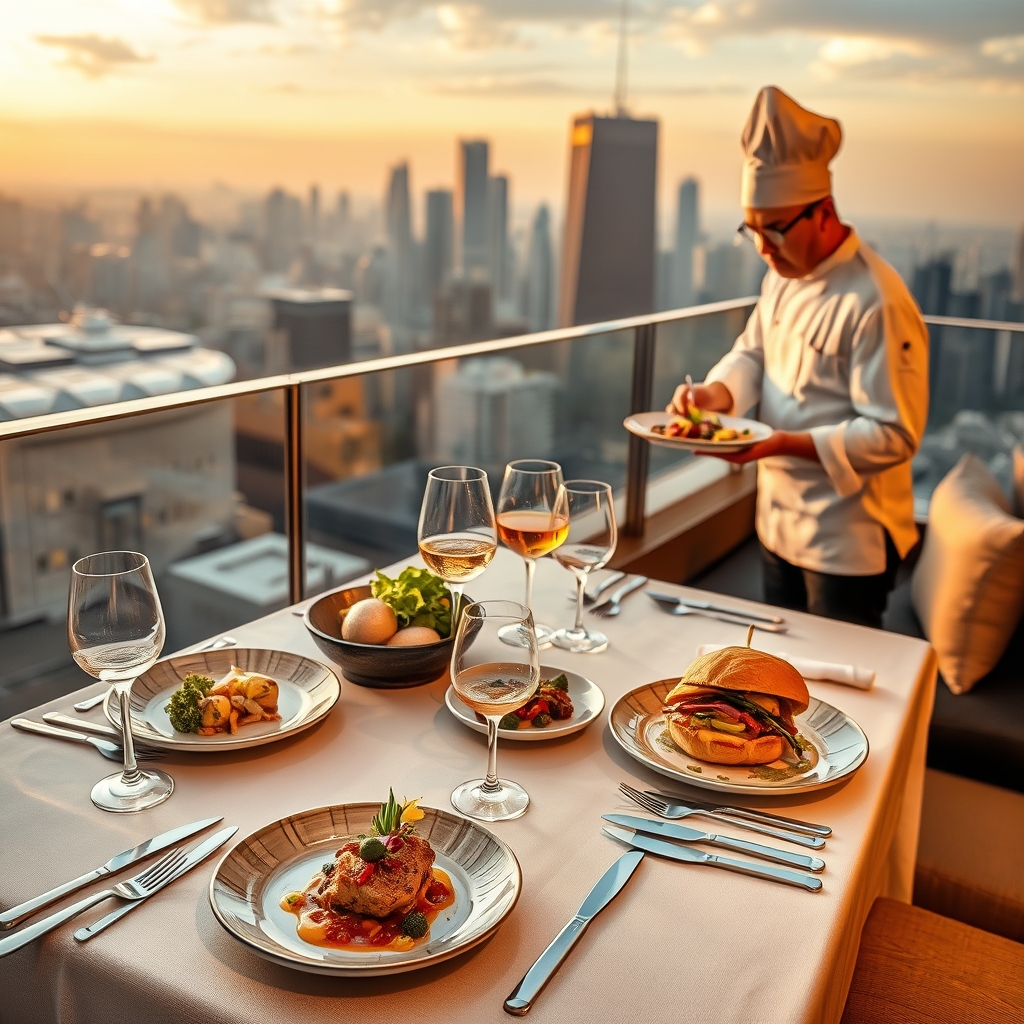
The modern traveler seeks more than just a place to rest—they crave an experience that tantalizes the senses, tells a story, and connects them to the essence of a destination. Nowhere is this desire more vividly expressed than in the evolving world of luxury hotel dining, where the boundaries between global flavors and hyper-local ingredients are dissolving into a thrilling new culinary language. This is the fusion revolution: a movement where chefs in five-star establishments are reimagining gourmet cuisine by weaving together the threads of international inspiration and the soul of the land they inhabit.
The Alchemy of Fusion: A New Culinary Philosophy
Fusion cuisine is not a new concept, but its execution in luxury hotels has reached unprecedented heights of sophistication. Gone are the days of heavy-handed combinations that prioritized shock value over harmony. Today’s fusion is subtle, intentional, and deeply rooted in technique. Chefs are drawing from their global experiences—whether it’s the delicate balance of umami in Japanese dashi, the fiery complexity of Peruvian ají peppers, or the earthy warmth of Middle Eastern spices—and marrying them with ingredients sourced from the hotel’s immediate surroundings. The result is a menu that feels both familiar and revelatory, a celebration of the world’s culinary diversity filtered through the lens of hyper-local authenticity.
Take, for example, a dish that might appear on the menu of a luxury hotel in Bali: a miso-glazed duck breast served with a side of jackfruit rendang, accompanied by a foam infused with lemongrass and kaffir lime. The duck, a nod to French techniques, is elevated by the umami depth of Japanese miso, while the jackfruit rendang—a slow-cooked curry—anchors the dish in Indonesian tradition. The foam, a modernist touch, ties it all together with bright, citrusy notes that cut through the richness. This is fusion not as a gimmick, but as a seamless dialogue between cultures and techniques.
The Role of Hyper-Local Ingredients: A Return to Roots
At the heart of this fusion revolution is a deep reverence for hyper-local ingredients. Luxury hotels are increasingly turning to nearby farms, fisheries, and artisanal producers to source the freshest, most flavorful components for their dishes. This farm-to-table ethos is not just about sustainability—though that is a critical aspect—but about capturing the terroir of a place, the unique flavor profile that comes from soil, climate, and tradition. When these hyper-local ingredients are paired with global techniques, the result is a dish that feels both rooted and transcendent.
Consider the rise of foraged ingredients in luxury hotel dining. In the Pacific Northwest, chefs are incorporating wild mushrooms, fiddlehead ferns, and sea asparagus into their menus, pairing them with techniques borrowed from Nordic cuisine, such as smoking and fermenting. In the Mediterranean, hotels are reviving ancient grains like farro and einkorn, using them as the foundation for dishes inspired by Middle Eastern and North African flavors. These ingredients don’t just add depth to the plate; they tell a story of the land, its history, and its people.
The Chef as Storyteller: Crafting a Narrative Through Food
What sets luxury hotel dining apart in this fusion revolution is the emphasis on storytelling. Chefs are no longer just creators of dishes; they are curators of experiences, weaving narratives that transport diners to distant lands while keeping them firmly grounded in the present. A tasting menu might begin with a dish inspired by a chef’s travels in Thailand, using local herbs and spices to recreate the vibrant street food of Bangkok. The next course could shift to the Italian countryside, where handmade pasta is paired with a sauce crafted from heirloom tomatoes grown in the hotel’s garden. Each dish is a chapter, and the menu as a whole is a journey.
This narrative approach extends beyond the plate. Many luxury hotels are incorporating immersive elements into their dining experiences, such as open kitchens where diners can watch the chefs at work, or interactive tableside presentations where ingredients are explained and prepared in real time. Some establishments are even offering culinary workshops, where guests can learn the techniques behind their favorite dishes, from rolling sushi to tempering chocolate. These experiences transform dining from a passive act into an active exploration of culture and craft.
The Future of Fusion: Sustainability and Innovation
As the fusion revolution continues to evolve, sustainability is emerging as a key consideration. Luxury hotels are increasingly mindful of their environmental impact, and this awareness is shaping their culinary offerings. Chefs are finding innovative ways to reduce waste, such as using every part of an ingredient—from root to stem—or repurposing leftovers into new dishes. For example, a hotel in Singapore might use the byproducts of its coffee roasting process to create a rich, smoky sauce for a fusion dish, or a property in Scandinavia might ferment vegetable scraps to make a tangy, probiotic-rich condiment.
Plant-based fine dining is also playing a significant role in this movement. As more travelers embrace flexitarian or fully plant-based diets, luxury hotels are rising to the challenge by creating gourmet dishes that highlight the versatility and flavor of vegetables, grains, and legumes. These dishes are not an afterthought but a centerpiece, often incorporating fusion techniques to elevate them to new heights. A beetroot tartare might be served with a wasabi-infused aioli and pickled ginger, or a jackfruit “pulled pork” sandwich could be paired with a smoky chipotle barbecue sauce. The result is a dining experience that is both indulgent and mindful, proving that sustainability and luxury are not mutually exclusive.
The Rooftop Lounge: Where Fusion Meets Ambiance
No discussion of the fusion revolution in luxury hotel dining would be complete without mentioning the rooftop lounge. These sky-high sanctuaries are the perfect setting for fusion cuisine, offering breathtaking views that complement the global flavors on the plate. A rooftop lounge in Dubai might serve a menu that blends Emirati spices with French techniques, while a property in New York could offer a fusion of Latin American and Asian flavors, all under the twinkling lights of the city skyline. The ambiance—soft lighting, plush seating, and live music—elevates the dining experience, making it as much about the atmosphere as it is about the food.
In-room dining, too, is undergoing a transformation. No longer limited to basic room service, luxury hotels are offering upscale, fusion-inspired menus that can be enjoyed in the privacy of a guest’s suite. Imagine a private dinner featuring a tasting menu of small plates, each inspired by a different corner of the world, paired with a selection of fine wines or craft cocktails. The presentation is impeccable, the service is attentive, and the experience is tailored to the guest’s preferences, making it a truly bespoke affair.
The fusion revolution in luxury hotel dining is more than just a trend—it’s a reflection of our increasingly interconnected world. As travelers seek out experiences that are both global and deeply personal, chefs are rising to the challenge, crafting menus that celebrate the diversity of culinary traditions while honoring the unique character of their surroundings. This is not just about food; it’s about connection, storytelling, and the shared human experience of breaking bread together. Whether it’s a Michelin-starred tasting menu or a casual rooftop bite, the fusion revolution invites diners to embark on a journey that is as much about the mind as it is about the palate, leaving them with memories that linger long after the last bite is savored.