The Rooftop Renaissance: How Luxury Hotels Are Redefining Sky-High Dining with Hyper-Local Flair
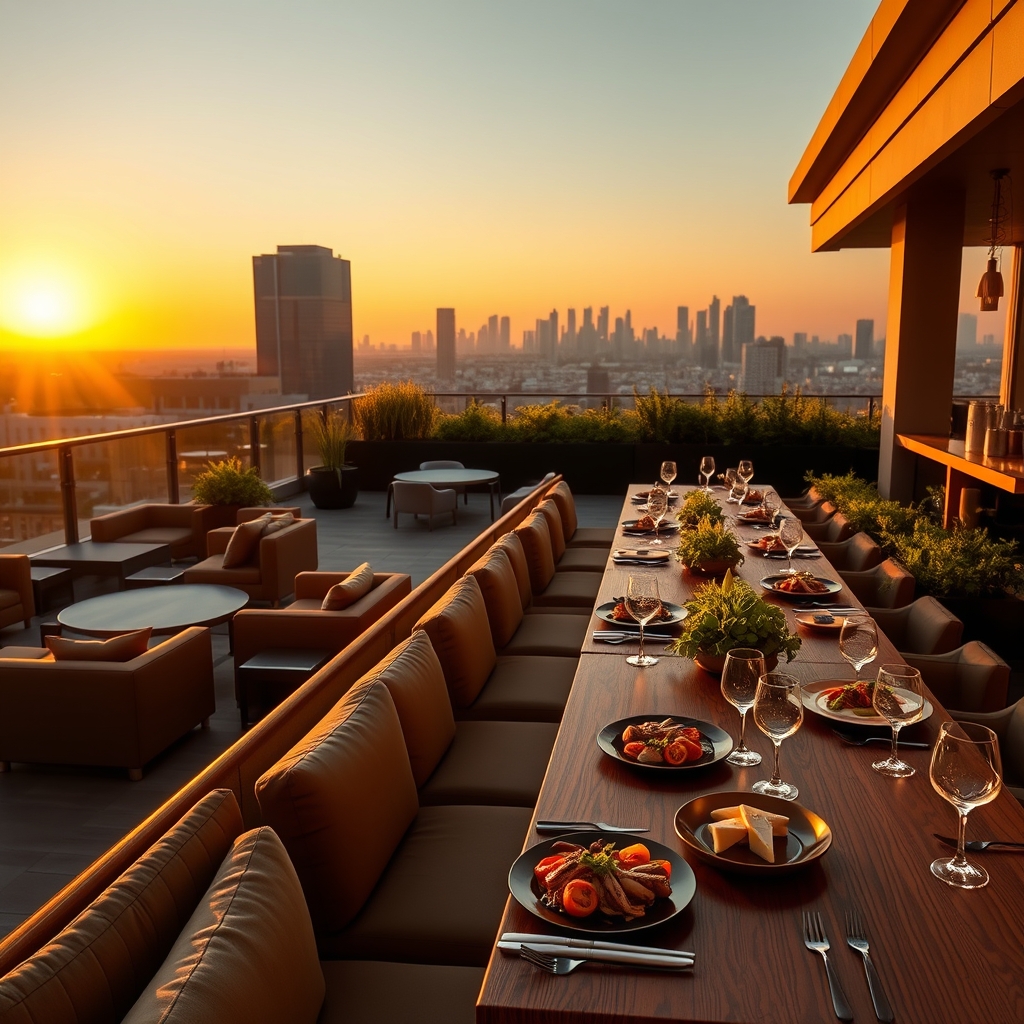
There’s something undeniably magical about dining under the open sky, where the city lights twinkle like distant stars and the breeze carries the faintest hint of salt, spice, or citrus. Rooftop lounges in luxury hotels have long been synonymous with glamour, offering panoramic views that elevate the act of eating into an experience. But today, these sky-high sanctuaries are undergoing a quiet revolution—one that marries breathtaking vistas with hyper-local culinary creativity, transforming them into destinations where flavor, sustainability, and storytelling take center stage.
The Evolution of Rooftop Dining: From Scenic Backdrop to Culinary Canvas
Rooftop dining wasn’t always the gourmet affair it is today. For decades, these spaces were often afterthoughts—places where hotels served passable cocktails and generic small plates, relying on the view to carry the experience. But as travelers have grown more discerning, demanding authenticity and innovation in equal measure, luxury hotels have responded by reimagining their rooftop lounges as extensions of their culinary identity. The result? Menus that reflect the terroir of their surroundings, where every dish tells a story of place and season.
Take, for example, a rooftop lounge in Barcelona, where the menu might feature grilled octopus sourced from the Costa Brava, drizzled with arbequina olive oil pressed just miles away. Or a Tokyo hotel’s sky-high garden, where chefs harvest microgreens and edible flowers moments before they’re plated alongside sushi-grade fish flown in that morning. These aren’t just meals; they’re love letters to the locale, crafted with ingredients that couldn’t come from anywhere else.
Hyper-Local Ingredients: The Secret Ingredient to Rooftop Magic
The shift toward hyper-local sourcing in rooftop dining isn’t just a trend—it’s a philosophy. Hotels are forging partnerships with nearby farmers, fishermen, and artisans, creating a symbiotic relationship that benefits both the kitchen and the community. In Napa Valley, a luxury hotel’s rooftop lounge might collaborate with a neighboring vineyard to feature heirloom tomatoes in their summer salad, while in Copenhagen, a chef could be working with a urban forager to incorporate wild herbs into their signature cocktails.
This approach does more than just reduce the carbon footprint of a dish. It infuses every bite with a sense of place, allowing diners to taste the essence of the destination. A guest sipping a gin and tonic made with botanicals harvested from the hotel’s own rooftop garden isn’t just enjoying a drink—they’re experiencing the city in its purest form. It’s this attention to detail that transforms a rooftop meal from a pleasant evening into an unforgettable memory.
The Rise of the Rooftop Chef’s Table
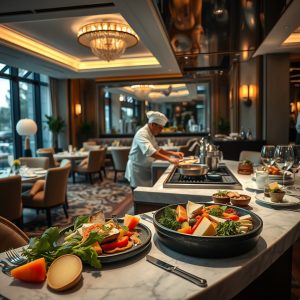
For those seeking an even more immersive experience, many luxury hotels are now offering rooftop chef’s tables—intimate, multi-course dining experiences where guests can watch the magic unfold. These aren’t your typical tasting menus; they’re hyper-personalized journeys that adapt to the season, the guest’s preferences, and even the weather. A summer evening might call for a light, citrus-forward menu, while a crisp autumn night could inspire a heartier spread of roasted root vegetables and game meats.
What sets these experiences apart is the chef’s ability to weave a narrative through each course. A dish of hand-rolled pasta might be paired with a story about the nonna who taught the chef the recipe, while a dessert of local honey and figs could be accompanied by a tale of the beekeeper who tends to the hotel’s rooftop hives. It’s this blend of culinary skill and storytelling that makes rooftop dining feel less like a meal and more like a performance.
Sustainability Takes Center Stage
As the world grows more conscious of its environmental impact, luxury hotels are leading the charge in sustainable rooftop dining. Zero-waste kitchens, compostable packaging, and closed-loop systems are becoming the norm, with some properties even growing their own produce in rooftop gardens. In Singapore, a five-star hotel’s rooftop lounge has become a model of urban farming, with hydroponic systems yielding everything from basil to strawberries, all of which find their way onto the menu.
But sustainability isn’t just about the ingredients—it’s about the entire dining experience. Hotels are rethinking everything from water usage to energy consumption, ensuring that their rooftop lounges are as eco-friendly as they are elegant. Some are even partnering with local nonprofits to donate surplus food, turning potential waste into meals for those in need. It’s a powerful reminder that luxury and responsibility aren’t mutually exclusive—they can, and should, go hand in hand.
The Future of Rooftop Dining: Where Innovation Meets Intimacy
So, what’s next for rooftop dining? The answer lies in the fusion of technology and tradition. Augmented reality menus, interactive wine pairings, and even AI-driven dish recommendations are beginning to make their way into these spaces, offering guests a level of personalization previously unimaginable. Yet, for all the innovation, the heart of rooftop dining remains the same: a celebration of connection—whether to the people around you, the place you’re in, or the food on your plate.
As the sun sets and the city lights begin to glow, there’s a quiet thrill in knowing that the meal you’re about to enjoy is a product of the land beneath you, the hands that prepared it, and the stories that brought it to life. Rooftop dining has always been about more than just the view—it’s about the experience, the craftsmanship, and the unspoken promise that every bite will be as memorable as the setting itself. And in a world where dining trends come and go, that’s a promise worth savoring.