
Indian Curry: A Flavorful Journey Through Spices and Regional Dishes
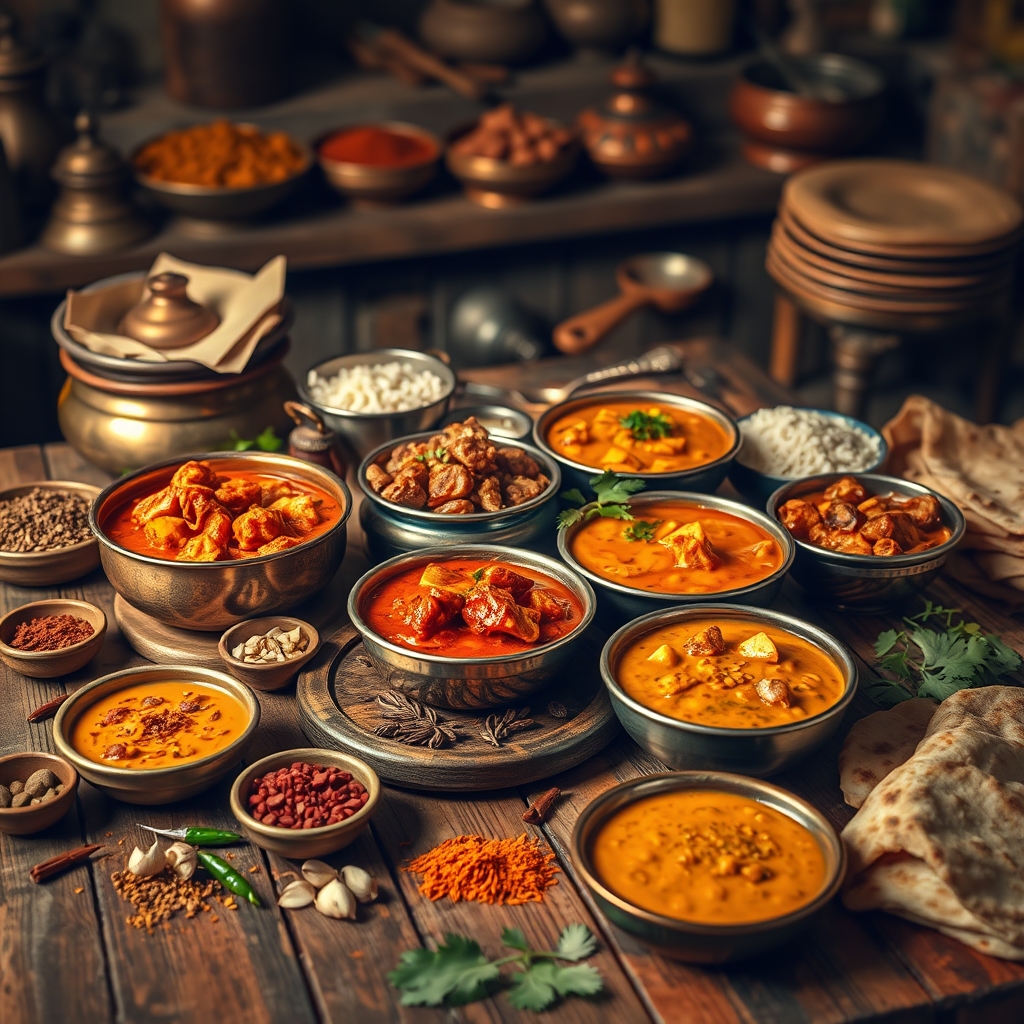
India’s culinary landscape is as vast and varied as its geography, with each region boasting its own unique take on curry. From the creamy, tomato-based gravies of the north to the fiery, coconut-infused stews of the south, Indian curries are a celebration of spices, culture, and tradition. This journey through India’s curry traditions reveals not just recipes, but stories of trade, history, and community.
The Spice Trail: Essential Flavors of Indian Curry
At the heart of every Indian curry lies a symphony of spices, each playing a crucial role in building depth and complexity. While the exact blend varies by region and dish, some spices are universal in Indian cooking. Cumin, with its earthy warmth, forms the base of many curry pastes, while coriander adds a citrusy brightness. Turmeric, the golden-hued spice, lends both color and a mild bitterness, while chili peppers bring the heat. Garam masala, a fragrant blend of cinnamon, cardamom, cloves, and other spices, is often added at the end to elevate the dish with its aromatic intensity.
Understanding these spices is key to mastering Indian curry. Toasting whole spices in oil—a technique called tadka or tempering—releases their essential oils, creating a flavorful foundation. Fresh ingredients like ginger, garlic, and green chilies are often ground into a paste, while dried spices are used whole or powdered. The balance of these elements is what makes each curry distinct, whether it’s the smoky richness of a Punjabi dish or the tangy zest of a coastal specialty.
Regional Variations: A Culinary Map of India
North India: Rich and Creamy
The curries of North India are known for their indulgent, dairy-based gravies. Butter chicken, or murgh makhani, is perhaps the most famous example—a dish born in the kitchens of Delhi, where tender chicken is marinated in yogurt and spices, then simmered in a velvety tomato-cream sauce. Rogan josh, a Kashmiri classic, features slow-cooked lamb in a deep red gravy infused with fennel and Kashmiri chili. These dishes often rely on ghee (clarified butter) and cream for richness, with spices like fenugreek and kasuri methi adding a subtle bitterness.
South India: Tangy and Coconut-Forward
In the south, curries take on a lighter, tangier profile, with coconut milk and tamarind playing starring roles. Goan vindaloo, a legacy of Portuguese influence, combines pork or chicken with a fiery marinade of vinegar, garlic, and Kashmiri chilies. Meanwhile, Kerala’s meen moilee is a delicate fish curry flavored with coconut milk, curry leaves, and mustard seeds. The use of fresh curry leaves, black pepper, and asafoetida (hing) gives southern curries their distinctive aroma, while the liberal use of coconut—whether grated, milk, or oil—adds a creamy texture without dairy.
East India: Mustard and Seafood
The eastern states of Bengal and Odisha are renowned for their seafood curries, where mustard oil and poppy seeds create a pungent, nutty base. Machher jhol, a Bengali fish curry, balances the sharpness of mustard with the sweetness of tomatoes and the heat of green chilies. In Odisha, chhena poda, a dessert-like curry made with cottage cheese, showcases the region’s love for dairy. The use of panch phoron, a five-spice blend of fenugreek, nigella, cumin, black mustard, and fennel seeds, is a hallmark of eastern Indian cooking, adding a complex, aromatic depth to curries.
West India: Sweet and Spicy
The western states of Maharashtra and Gujarat offer curries that are often sweeter and milder, reflecting the region’s agricultural abundance. Kolhapuri mutton, a Maharashtrian specialty, is a fiery, dark red curry made with a blend of roasted spices and coconut. In Gujarat, dhokla curry—a fermented chickpea cake served in a spiced yogurt gravy—highlights the region’s vegetarian traditions. The use of jaggery (unrefined sugar) and peanuts is common, adding a subtle sweetness and crunch to dishes.
A Simple Curry Recipe for Home Cooks
Bringing the flavors of India into your kitchen doesn’t have to be complicated. This easy chana masala (chickpea curry) recipe is a great starting point for beginners. Begin by heating two tablespoons of oil in a pan and adding a teaspoon each of cumin seeds and mustard seeds. Once they sizzle, add one finely chopped onion, three minced garlic cloves, and a tablespoon of grated ginger. Sauté until golden, then stir in one diced tomato, a teaspoon of turmeric, one teaspoon of coriander powder, and half a teaspoon of chili powder. Cook until the tomatoes soften, then add two cans of drained chickpeas, a cup of water, and salt to taste. Simmer for 15 minutes, then finish with a squeeze of lemon juice and a handful of fresh cilantro. Serve with steamed rice or warm naan for a comforting, flavorful meal.
Exploring Indian curry is like embarking on a sensory voyage—one that traverses mountains, coastlines, and bustling spice markets. Each dish tells a story, whether it’s the royal origins of a Mughlai curry or the humble simplicity of a village stew. The beauty of Indian cuisine lies in its adaptability, where a handful of spices can transform the ordinary into the extraordinary. As you experiment with these flavors in your own kitchen, you’re not just cooking a meal; you’re preserving a legacy that has been perfected over centuries, one simmering pot at a time.