The Art of Culinary Evolution: How Adaptive Workflows and Sensory Techniques Are Crafting the Future of Home Cooking
The modern kitchen is no longer just a place to prepare meals—it’s a dynamic laboratory where tradition meets innovation, and where every dish tells a story of adaptation, precision, and creativity. As home cooks increasingly seek to elevate their culinary skills, the fusion of adaptive cooking workflows and sensory cooking techniques is redefining what it means to cook with intention. These approaches don’t just enhance flavor; they transform the entire cooking experience into one that is intuitive, responsive, and deeply personal.
The Rise of Adaptive Cooking Workflows
Gone are the days of rigid recipes that demand exact measurements and unyielding timelines. Today’s home chefs are embracing adaptive cooking workflows, a method that prioritizes flexibility and responsiveness in the kitchen. This approach acknowledges that cooking is as much about intuition as it is about technique. Whether adjusting for ingredient availability, dietary preferences, or unexpected culinary challenges, adaptive workflows empower cooks to pivot seamlessly without sacrificing the integrity of a dish.
For example, imagine preparing a risotto where the Arborio rice isn’t absorbing the broth as expected. An adaptive cook might respond by adjusting the heat, adding a splash of warm liquid to loosen the mixture, or even incorporating a different ingredient—like roasted vegetables—to enhance texture and flavor. This fluidity isn’t about abandoning structure; it’s about creating a framework that evolves with the cook’s needs and the ingredients at hand.
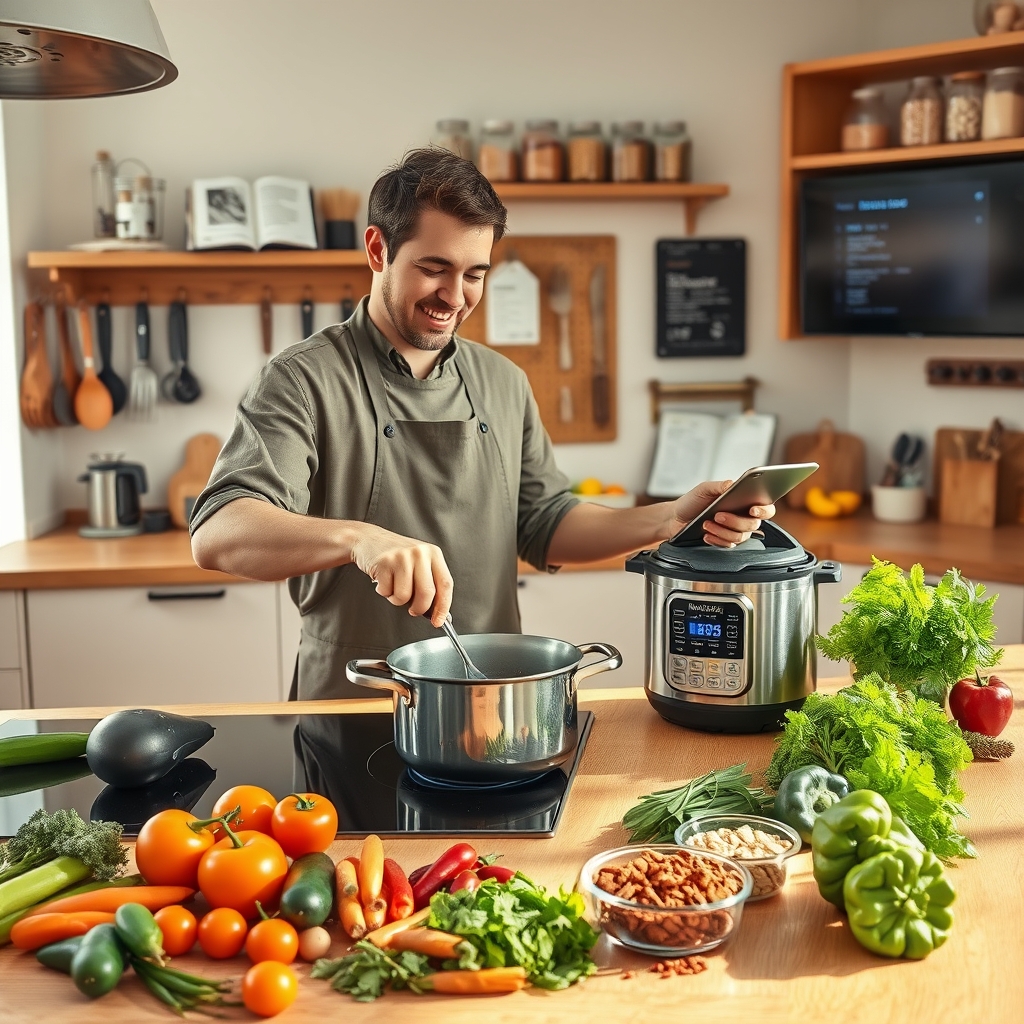
Technology plays a pivotal role in this evolution. Smart kitchen tools, such as precision cookers and connected scales, provide real-time feedback that helps cooks make informed decisions. These devices don’t replace skill—they amplify it, allowing home chefs to refine their techniques and achieve consistent results, even when improvising.
Sensory Techniques: The Heart of Intuitive Cooking
While adaptive workflows focus on the mechanics of cooking, sensory cooking techniques delve into the artistry of flavor and texture. This method encourages cooks to engage all five senses—sight, sound, smell, touch, and taste—to create dishes that are not only delicious but also deeply satisfying on a sensory level. By honing these skills, home chefs can develop a more intuitive relationship with food, one that transcends reliance on recipes alone.
Consider the simple act of toasting spices. The moment cumin seeds begin to release their aroma, the sound of their crackling, and the visual shift in color are all cues that guide the cook toward the perfect level of doneness. Similarly, the tactile experience of kneading dough—feeling its elasticity and resistance—can reveal when it’s ready to rest. These sensory signals are the language of cooking, and mastering them allows chefs to cook with confidence and creativity.
Sensory techniques also extend to the way we experience food. For instance, pairing ingredients based on their aromatic profiles—like the bright citrus notes of lemongrass with the earthy depth of mushrooms—can elevate a dish from ordinary to extraordinary. This approach to creative ingredient pairing is rooted in an understanding of how flavors interact, and it’s a skill that can be developed through mindful practice and experimentation.
The Role of Mindful Food Preparation
At the intersection of adaptive workflows and sensory techniques lies mindful food preparation, a practice that encourages cooks to slow down and engage fully with the process. Mindfulness in the kitchen isn’t just about reducing stress—it’s about deepening the connection between the cook, the ingredients, and the final dish. This approach fosters a greater appreciation for the journey of cooking, from the moment ingredients are selected to the first bite of the finished meal.
Mindful cooking can be as simple as taking a moment to inhale the scent of fresh herbs before chopping them or savoring the sound of sizzling garlic in a pan. These small acts of presence can transform cooking from a chore into a meditative experience, one that nourishes both the body and the soul. Moreover, mindful preparation often leads to more sustainable choices, such as using every part of an ingredient or opting for locally sourced produce, which aligns with the growing movement toward sustainable ingredient sourcing.
Building a Kitchen That Adapts to You
The tools and layout of a kitchen can significantly influence how effectively adaptive workflows and sensory techniques are applied. Efficient kitchen design is about more than aesthetics—it’s about creating a space that supports the cook’s natural movements and preferences. For example, placing frequently used tools within easy reach, organizing ingredients by type, and ensuring adequate counter space for prep work can streamline the cooking process and reduce frustration.
Smart kitchen technology, such as voice-activated assistants and app-connected appliances, can further enhance adaptability. Imagine a scenario where a cook is following a recipe but needs to adjust the cooking time based on the doneness of their protein. A smart oven that can be controlled remotely or a timer that syncs with a wearable device allows for seamless adjustments without interrupting the flow of cooking. These innovations don’t just save time—they make the kitchen a more intuitive and responsive environment.
The Future of Home Cooking: A Blend of Tradition and Innovation
The future of home cooking lies in the harmonious blend of tradition and innovation. While technology and adaptive workflows provide the tools to cook with precision and flexibility, sensory techniques and mindful practices keep the soul of cooking alive. This balance ensures that the kitchen remains a place of creativity, connection, and discovery, where every meal is an opportunity to explore new flavors, techniques, and ideas.
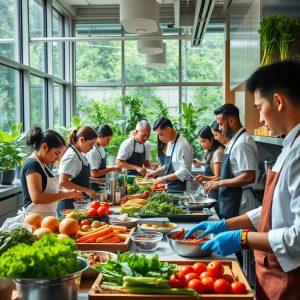
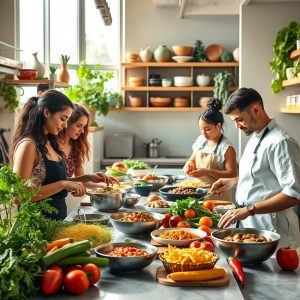
As home chefs continue to embrace these approaches, the boundaries of what’s possible in the kitchen will expand. Whether it’s through interactive kitchen workshops that teach adaptive techniques, collaborative recipe development that encourages experimentation, or data-driven nutrition tracking that personalizes meals, the culinary landscape is evolving in exciting ways. The key to success lies in remaining open to change, trusting one’s instincts, and never underestimating the power of a well-prepared meal to bring people together. In this ever-changing world, the kitchen remains a constant—a place where innovation and tradition coexist, and where every cook has the potential to create something extraordinary.