The Hidden Luxury of Hyper-Personalized Dining: How Five-Star Hotels Are Crafting Bespoke Culinary Experiences for the Discerning Traveler
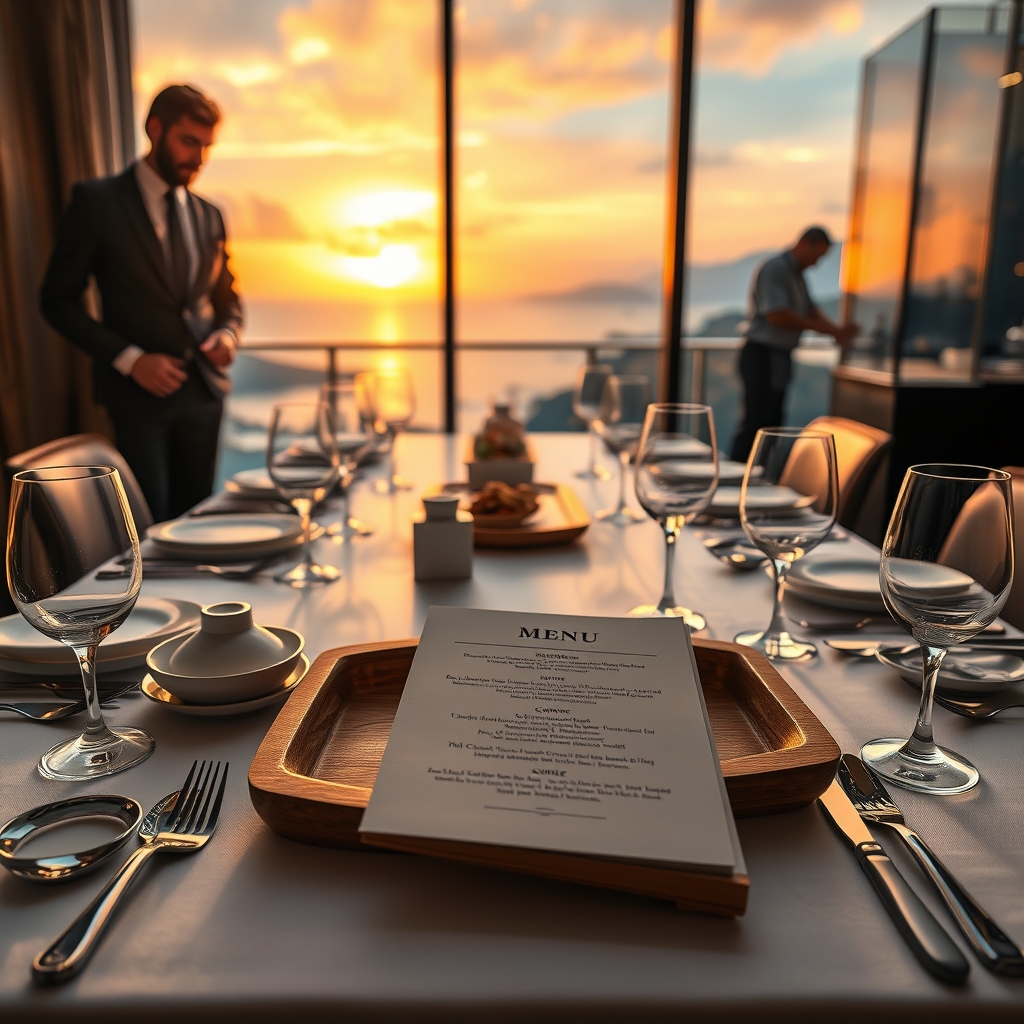
In an era where luxury is no longer defined by opulence alone, but by the depth of personalization and the authenticity of the experience, five-star hotels are redefining the art of dining. Gone are the days when a lavish buffet or a Michelin-starred menu sufficed to impress the most discerning of guests. Today, the true mark of culinary excellence lies in the ability to craft a dining experience that feels intimately tailored to the individual—where every dish, every ingredient, and every moment is a reflection of the guest’s unique preferences, dietary needs, and even their mood. This is the hidden luxury of hyper-personalized dining, a trend that is quietly transforming the way we think about fine dining in the world’s most exclusive hotels.
The Rise of the Culinary Concierge
At the heart of this movement is the emergence of the culinary concierge—a role that blends the expertise of a sommelier, the intuition of a private chef, and the attentiveness of a butler. Unlike traditional hotel dining services, where menus are fixed and choices are limited, the culinary concierge operates as a bridge between the guest and the kitchen, translating desires into reality. Whether it’s a last-minute request for a plant-based tasting menu inspired by a guest’s recent travels or a midnight craving for a childhood favorite reimagined with hyper-local ingredients, the culinary concierge ensures that no detail is overlooked.
This level of personalization extends beyond the plate. Hotels like the Amangiri in Utah or Cheval Blanc Randheli in the Maldives have elevated the concept of destination dining by offering private culinary experiences that are as much about the setting as they are about the food. Imagine a secluded beachside dinner where the menu is crafted around the guest’s favorite flavors, paired with wines selected from a private cellar, and served under a canopy of stars. It’s not just a meal; it’s a memory in the making.
The Art of Anticipation: Predictive Dining in the Digital Age
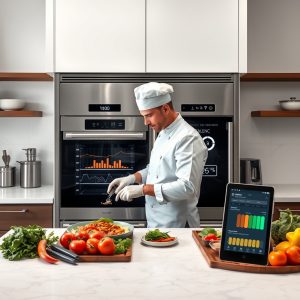
What if your hotel knew what you wanted to eat before you did? With the integration of artificial intelligence and data analytics, some of the world’s most forward-thinking hotels are beginning to do just that. By analyzing guest preferences—from past dining choices to dietary restrictions and even social media activity—hotels can now anticipate desires and curate menus that feel almost psychic in their precision. This isn’t about replacing human intuition with algorithms; it’s about enhancing the guest experience by removing friction and elevating personalization to an art form.
Take, for example, the Four Seasons Hotel George V in Paris, where the in-room dining experience has been reimagined with predictive technology. Guests who frequently order vegetarian dishes might find a bespoke plant-based menu waiting for them upon arrival, complete with locally sourced ingredients that align with their tastes. Similarly, the Bulgari Hotel Shanghai uses AI to suggest wine pairings based on a guest’s previous orders, ensuring that every sip complements the meal perfectly. The result? A dining experience that feels effortlessly intuitive, as though the hotel has read your mind.
The Fusion of Wellness and Indulgence
Hyper-personalized dining isn’t just about catering to preferences—it’s also about aligning with the guest’s wellness goals. The modern traveler is increasingly health-conscious, seeking out dining experiences that nourish the body as much as they delight the palate. Luxury hotels are responding by blending indulgence with mindfulness, creating menus that are as nutritious as they are decadent. This trend is particularly evident in wellness-focused properties like SHA Wellness Clinic in Spain or Chable Maroma in Mexico, where gourmet cuisine is designed to support holistic well-being without sacrificing flavor.
At these properties, guests can enjoy a chef’s tasting menu that is entirely plant-based, gluten-free, or tailored to specific dietary protocols like ketogenic or macrobiotic diets. Ingredients are sourced from on-site gardens or local farms, ensuring freshness and sustainability. The experience is further elevated by the inclusion of functional foods—think turmeric-infused broths, adaptogenic herbs, or collagen-rich desserts—that offer both culinary pleasure and health benefits. It’s a seamless fusion of indulgence and wellness, where every bite is a step toward feeling your best.
The Future of In-Room Dining: A Private Culinary Stage
In-room dining has long been a staple of luxury hospitality, but today’s hotels are taking it to new heights. No longer confined to a standard menu of club sandwiches and Caesar salads, in-room dining is evolving into a private culinary stage where guests can enjoy the same level of artistry and creativity as they would in the hotel’s signature restaurant. This shift is driven by a growing demand for exclusivity and intimacy, particularly among travelers who value privacy and personalized service.
Hotels like the Ritz-Carlton Kyoto are leading the charge with in-room dining experiences that rival their Michelin-starred counterparts. Guests can order a multi-course tasting menu complete with wine pairings, served on handcrafted tableware and presented with the same theatricality as a fine dining restaurant. Meanwhile, the One&Only Cape Town offers a “Chef’s Table in the Sky” experience, where a private chef prepares a bespoke menu in the guest’s suite, using ingredients sourced from the hotel’s rooftop garden. The result is a dining experience that is as unique as the guest themselves, blending the comfort of a private setting with the sophistication of a world-class restaurant.
The Role of Hyper-Local Ingredients in Personalized Menus
At the core of hyper-personalized dining is a deep commitment to hyper-local sourcing. Hotels are increasingly turning to nearby farms, fisheries, and artisanal producers to create menus that reflect the terroir of their location. This not only ensures the freshest ingredients but also allows chefs to craft dishes that tell a story—one that is intimately connected to the land and the people who cultivate it. For the discerning traveler, this adds an extra layer of meaning to the dining experience, transforming a meal into a journey of discovery.
Consider the Blackberry Mountain resort in Tennessee, where the culinary team forages for wild ingredients like ramps, morel mushrooms, and black walnuts to incorporate into their menus. Each dish is a celebration of the region’s natural bounty, offering guests a taste of the local landscape. Similarly, the Singita Grumeti Reserves in Tanzania sources ingredients from its own organic gardens and nearby Maasai communities, creating a farm-to-table experience that is as authentic as it is luxurious. By prioritizing hyper-local ingredients, hotels are able to offer a level of personalization that goes beyond the plate, connecting guests to the culture and environment of their destination.
As the boundaries between luxury and personalization continue to blur, the future of hotel dining lies in the ability to create experiences that are as unique as the individuals who seek them. Whether it’s through the intuitive guidance of a culinary concierge, the predictive power of AI, or the mindful fusion of wellness and indulgence, hyper-personalized dining is redefining what it means to dine in style. It’s no longer about the grandeur of the setting or the prestige of the chef—it’s about the quiet magic of a meal that feels like it was made just for you. And in a world where experiences are the new currency of luxury, that is the ultimate indulgence.