The Modern Chef’s Playbook: How Personalized Flavor Profiling and Efficient Kitchen Design Are Redefining Home Cooking
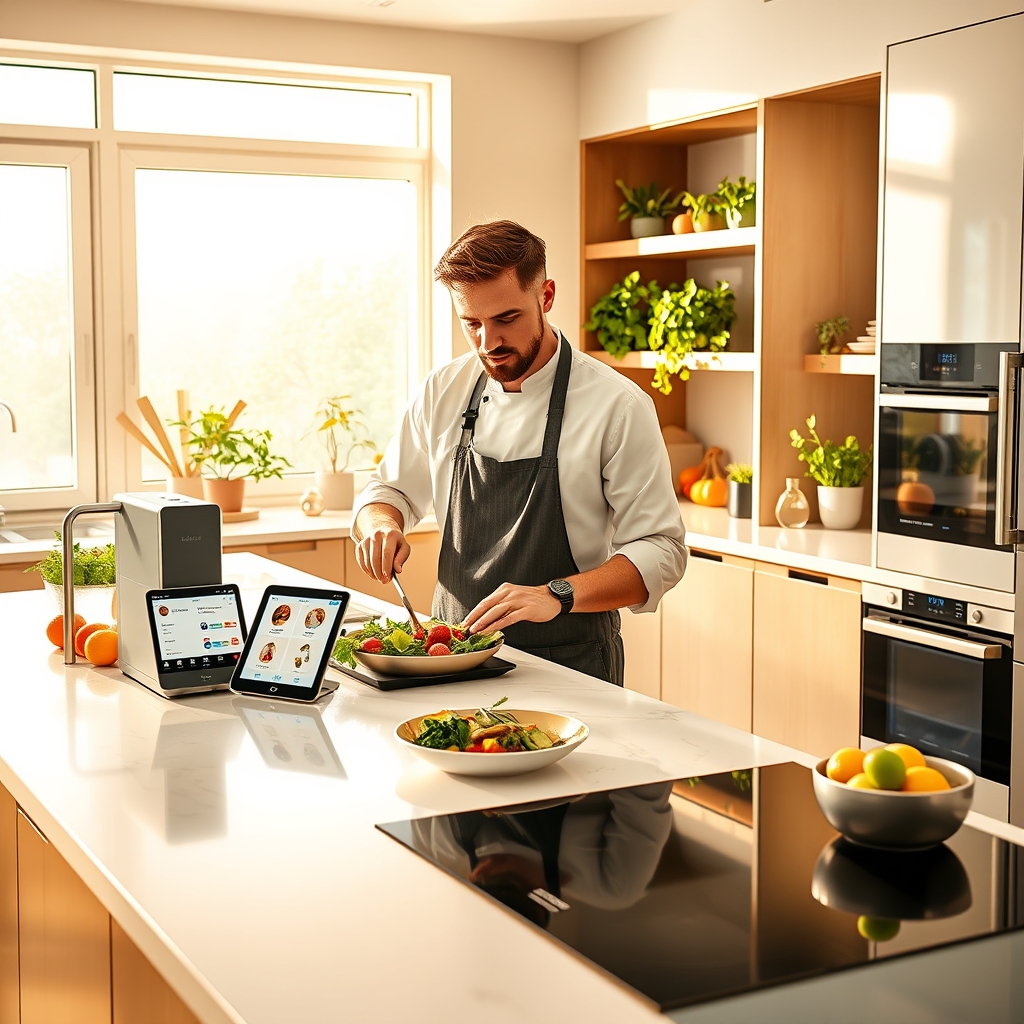
The kitchen has always been the heart of the home, but today, it’s evolving into something far more dynamic—a space where technology, creativity, and sustainability converge to create culinary experiences that are as unique as the individuals crafting them. No longer confined to traditional recipes or rigid techniques, home cooks are embracing a new era of cooking that prioritizes personalization, efficiency, and mindful engagement with food. At the forefront of this transformation are personalized flavor profiling and efficient kitchen design, two pillars that are reshaping how we approach cooking in our daily lives.
The Rise of Personalized Flavor Profiling
Imagine a cooking experience tailored precisely to your taste preferences, dietary needs, and even your mood. This is the promise of personalized flavor profiling, a concept that leverages data and sensory science to create bespoke culinary experiences. By analyzing your flavor preferences—whether you lean toward bold, spicy, umami-rich, or subtly sweet—this approach helps you discover new ingredients and techniques that align with your palate. Apps and smart kitchen devices now offer tools to track your flavor preferences over time, suggesting recipes and ingredient pairings that are uniquely suited to you.
For instance, if you’ve consistently rated dishes with a hint of citrus or herbs as your favorites, a flavor profiling system might recommend a lemon-infused olive oil or a fresh basil pesto as a base for your next meal. This level of customization goes beyond generic recipe suggestions; it’s about understanding the nuances of your taste and using that knowledge to elevate your cooking. The result? Meals that feel deeply personal and satisfying, every single time.
How Technology Enhances Flavor Personalization
Technology plays a pivotal role in making personalized flavor profiling accessible to home cooks. Smart scales, connected spice racks, and AI-powered recipe platforms can now sync with your cooking habits, learning and adapting as you experiment. For example, a smart spice dispenser might suggest adjusting the ratio of cumin to coriander in a curry based on your past feedback, or a recipe app could recommend a new spice blend that complements your existing preferences. These tools don’t just simplify the cooking process—they make it more intuitive and rewarding.
Moreover, data-driven nutrition tracking integrates seamlessly with flavor profiling, ensuring that your meals are not only delicious but also aligned with your health goals. Whether you’re monitoring macronutrients, avoiding allergens, or simply trying to eat more vegetables, these systems can adjust recommendations to fit your needs without compromising on taste.
Designing the Efficient Kitchen of the Future
While personalized flavor profiling enhances the culinary experience, efficient kitchen design ensures that the process of cooking is as seamless and enjoyable as possible. The modern kitchen is no longer just a place to prepare food; it’s a multifunctional space that supports creativity, sustainability, and ease of use. Thoughtful design can reduce waste, save time, and even inspire new cooking techniques.
Optimizing Space for Workflow and Creativity
One of the key principles of efficient kitchen design is adaptive cooking workflows. This means organizing your kitchen in a way that minimizes unnecessary movement and maximizes productivity. For example, placing frequently used tools and ingredients within arm’s reach of your primary workspace can significantly speed up meal preparation. Similarly, incorporating modular storage solutions—such as pull-out pantries or adjustable shelving—can make it easier to access ingredients and equipment, reducing clutter and frustration.
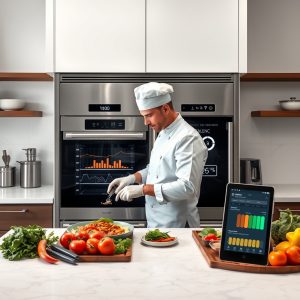
Another trend in kitchen design is the integration of tech-assisted precision cooking tools. Induction cooktops with built-in temperature controls, smart ovens that can be preheated remotely, and sous-vide machines that ensure perfect doneness every time are just a few examples of how technology is being woven into the fabric of the modern kitchen. These tools not only improve accuracy but also free up mental space, allowing you to focus on the creative aspects of cooking rather than the technical details.
Sustainability as a Design Principle
Efficient kitchen design also prioritizes sustainable ingredient sourcing and waste reduction. This could mean installing a compost bin within easy reach of your prep area, choosing energy-efficient appliances, or designing a kitchen garden that provides fresh herbs and vegetables year-round. Even small changes, like using reusable containers for storage or opting for locally sourced ingredients, can have a significant impact on both the environment and your cooking experience.
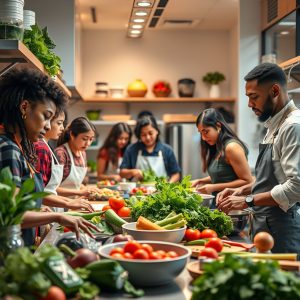
For those who love to entertain, an efficient kitchen can also facilitate collaborative recipe development. Open layouts that allow guests to interact with the cook, or designated prep stations for multiple people, can turn meal preparation into a social event. This not only makes cooking more enjoyable but also fosters a sense of community and shared creativity.
Bridging Tradition and Innovation
The beauty of these advancements lies in their ability to bridge the gap between tradition and innovation. While technology and data-driven tools offer new ways to personalize and streamline cooking, they don’t replace the fundamental joy of preparing a meal from scratch. Instead, they enhance it. For example, mindful food preparation—a practice rooted in slowing down and savoring the cooking process—can be enriched by tools that help you focus on the sensory experience, such as aroma diffusers or guided meditation apps designed for the kitchen.
Similarly, cultural culinary preservation can be supported by technology that helps you document and share family recipes, or by platforms that connect you with chefs and home cooks from around the world. These tools ensure that traditional flavors and techniques are not lost but rather celebrated and adapted for modern kitchens.
As we look to the future, the possibilities for home cooking are limitless. Whether you’re a seasoned chef or a curious beginner, the combination of personalized flavor profiling and efficient kitchen design offers a pathway to culinary experiences that are not only delicious but also deeply meaningful. The kitchen of tomorrow isn’t just a place to cook—it’s a space where creativity, technology, and tradition come together to nourish both body and soul, making every meal an opportunity to explore, innovate, and connect.