The Future of Flavor: How Sensory Cooking Techniques and Data-Driven Nutrition Are Redefining Home Cooking
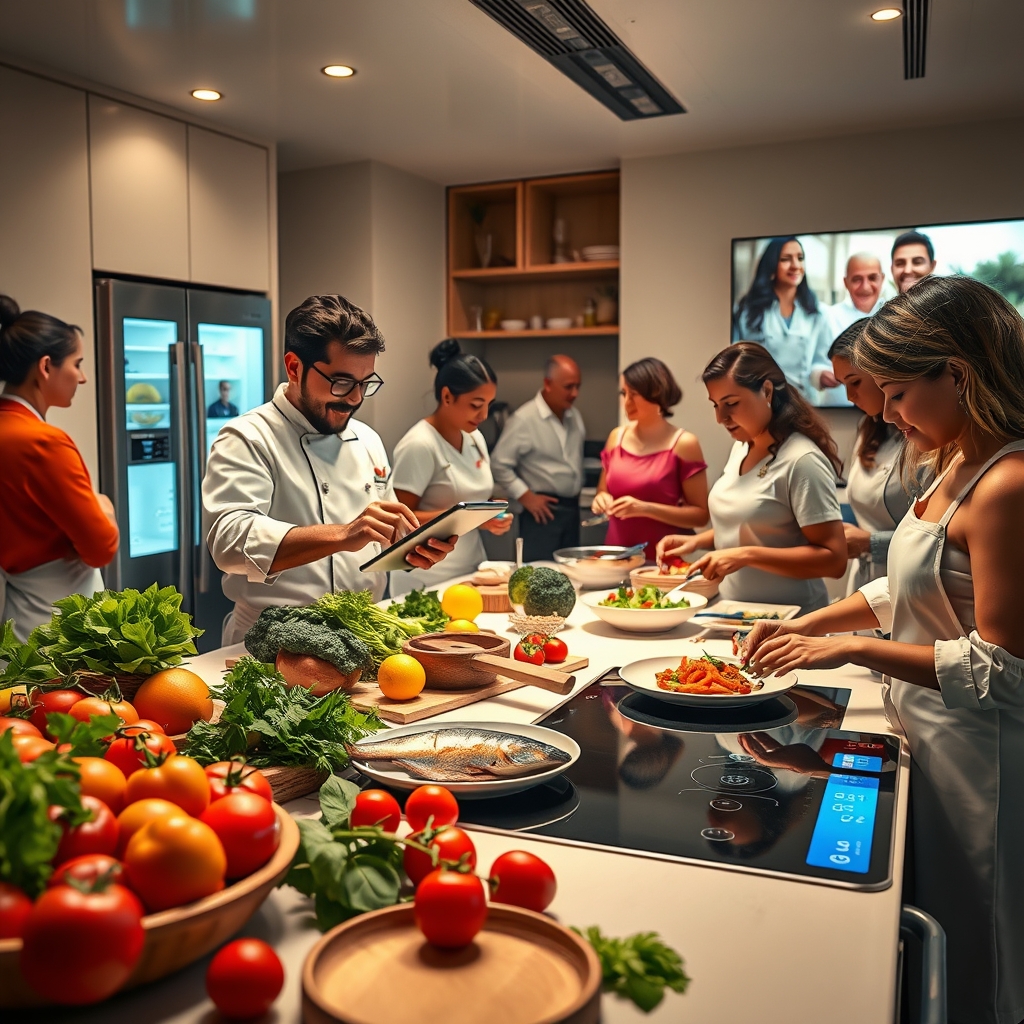
The modern kitchen is no longer just a place to prepare meals; it has evolved into a dynamic laboratory where science, technology, and creativity converge to redefine how we experience food. At the heart of this transformation lies a deep understanding of sensory cooking techniques and the integration of data-driven nutrition tracking, which together are reshaping the way we approach cooking, eating, and even thinking about flavor.
The Rise of Sensory Cooking Techniques
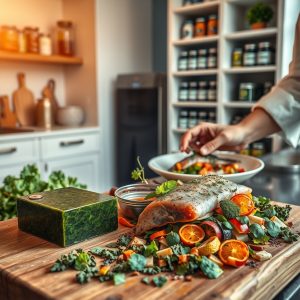
Cooking has always been a multisensory experience, but recent advancements in experiential gastronomy methods have elevated it to an art form that engages all five senses. Chefs and home cooks alike are now exploring techniques that go beyond taste alone, incorporating texture, aroma, sound, and visual appeal to create truly immersive culinary experiences. For instance, the use of creative ingredient pairing—such as combining unexpected flavors like chocolate and blue cheese or strawberries and basil—relies on an understanding of how different sensory inputs interact to produce a harmonious dish.
One of the most exciting developments in this space is the emphasis on mindful food preparation. This approach encourages cooks to slow down, engage with their ingredients, and appreciate the process as much as the final product. Techniques like adaptive cooking workflows, which allow for real-time adjustments based on sensory feedback, are making it easier for home cooks to achieve professional-level results without years of training. Whether it’s adjusting the seasoning of a sauce by taste or fine-tuning the doneness of a steak by touch, these methods empower cooks to trust their instincts while leveraging technology for precision.
The Role of Technology in Precision Cooking
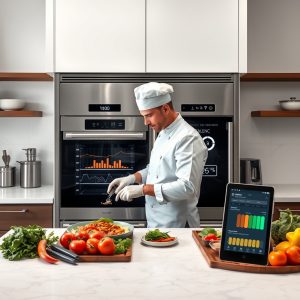
While sensory techniques bring an artistic touch to cooking, technology is providing the tools to execute with unprecedented accuracy. Tech-assisted precision cooking has moved far beyond the basic kitchen timer, with smart appliances and connected devices now offering real-time guidance and analytics. For example, smart scales and thermometers can sync with apps to provide step-by-step instructions, ensuring that even novice cooks can achieve perfect results every time. Meanwhile, real-time cooking analytics allow for adjustments on the fly, such as modifying cooking times based on humidity levels or ingredient freshness.
One of the most impactful applications of technology in the kitchen is personalized flavor profiling. By analyzing data from past meals—such as preferred spice levels, dietary restrictions, or even mood-based cravings—apps and devices can suggest recipes tailored to individual tastes. This level of customization extends to bespoke meal planning, where algorithms generate weekly menus based on nutritional needs, ingredient availability, and personal preferences. The result is a cooking experience that feels intuitive, efficient, and deeply personal.
Sustainable and Conscious Cooking
As awareness of environmental and ethical concerns grows, so does the demand for sustainable ingredient sourcing. Home cooks are increasingly seeking out local, seasonal, and responsibly produced ingredients, not just for their superior flavor but also for their lower environmental impact. This shift is supported by technology, with apps and platforms that connect consumers directly with farmers, fisheries, and artisanal producers. Additionally, conscious cooking habits, such as reducing food waste through creative repurposing of leftovers or composting, are becoming integral to modern kitchen practices.
Another key aspect of sustainable cooking is the optimization of kitchen design. Efficient kitchen design focuses on minimizing energy consumption, maximizing storage, and creating workflows that reduce waste. For example, induction cooktops are not only more energy-efficient than traditional gas or electric stoves but also offer precise temperature control, making them ideal for tech-assisted precision cooking. Similarly, smart refrigerators can track ingredient freshness and suggest recipes to use up items before they spoil, further reducing food waste.
The Power of Community and Collaboration
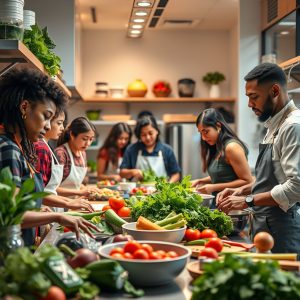
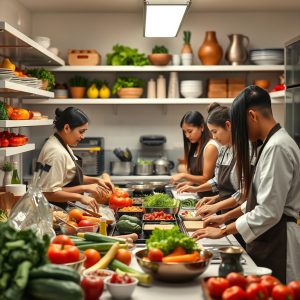
Cooking has always been a social activity, and the digital age has amplified this aspect through collaborative recipe development and interactive kitchen workshops. Online platforms and social media have made it easier than ever for cooks to share recipes, techniques, and tips, fostering a global community of food enthusiasts. Whether it’s a virtual cooking class led by a Michelin-starred chef or a crowdsourced recipe for a family favorite, these collaborative efforts are democratizing culinary knowledge and inspiring creativity.
For those looking to take their skills to the next level, professional culinary skill building is now more accessible than ever. Online courses, YouTube tutorials, and even augmented reality (AR) cooking guides provide step-by-step instruction, allowing home cooks to learn at their own pace. These resources often incorporate adaptive cooking workflows, which adjust the difficulty of tasks based on the user’s skill level, ensuring a challenging yet achievable learning experience.
Preserving Cultural Culinary Traditions
In an era of globalization, there is a growing movement to preserve and celebrate cultural culinary preservation. From traditional techniques passed down through generations to regional ingredients that define a cuisine, these elements are being documented and shared in new ways. Digital archives, cooking apps, and even virtual reality experiences are helping to keep these traditions alive, ensuring that they are not lost to time. At the same time, modern cooks are finding innovative ways to reinterpret classic dishes, blending old-world techniques with contemporary flavors and technologies.
The kitchen of the future is not just a place for cooking; it is a space for exploration, learning, and connection. By embracing sensory cooking techniques, leveraging data-driven nutrition tracking, and fostering a sense of community, home cooks can transform their culinary experiences into something truly extraordinary. Whether you’re a seasoned chef or a beginner, the tools and techniques available today make it easier than ever to create meals that are not only delicious but also meaningful, sustainable, and deeply personal. As we continue to push the boundaries of what’s possible in the kitchen, one thing is clear: the future of cooking is limited only by our imagination.