Culinary Innovation at Home: Blending Tradition with Tech-Assisted Precision and Mindful Practices
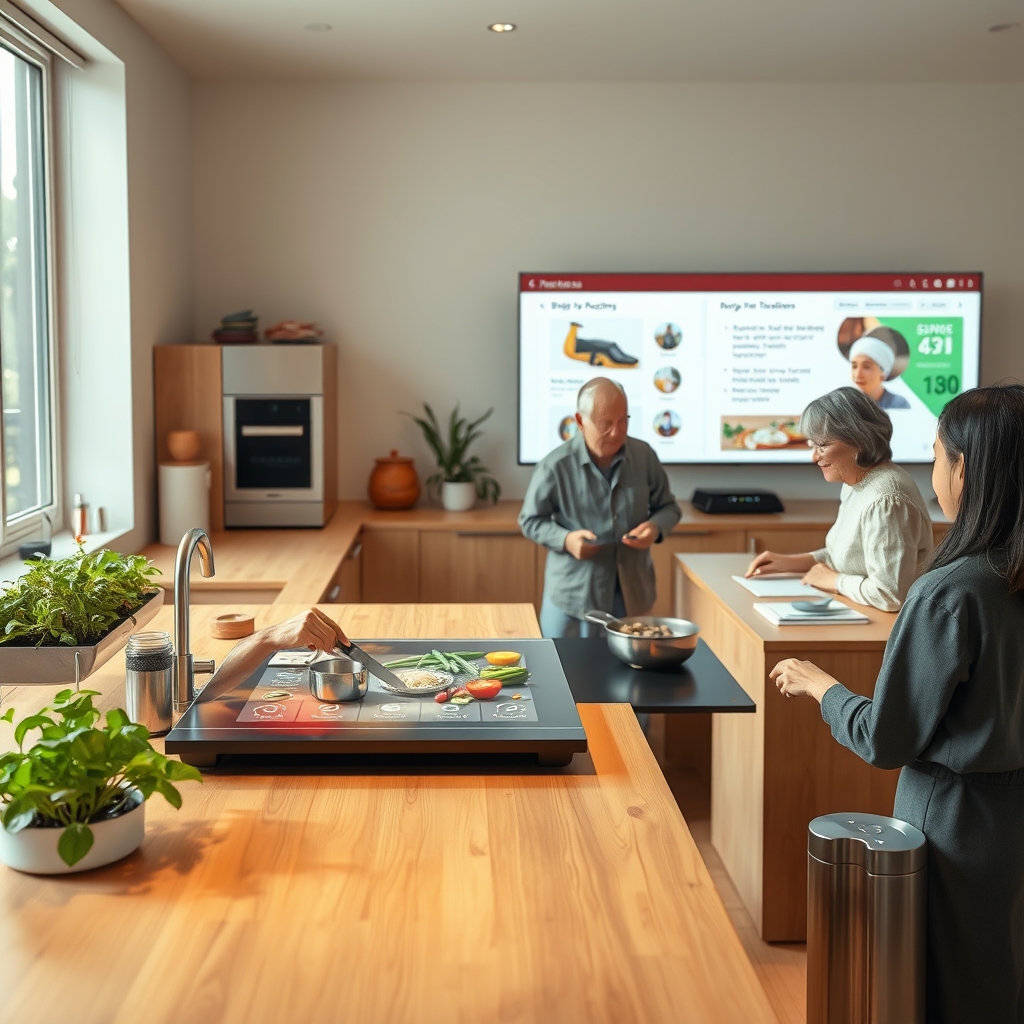
The modern home kitchen is no longer just a place for meal preparation; it has evolved into a dynamic space where tradition meets innovation, and where mindful practices merge with cutting-edge technology. As culinary enthusiasts seek deeper connections with their food, a new wave of approaches is transforming how we cook, learn, and experience flavors. From immersive culinary education to tech-assisted precision cooking, these methods are redefining the art of home cooking, making it more intuitive, sustainable, and personalized than ever before.
The Rise of Immersive Culinary Education
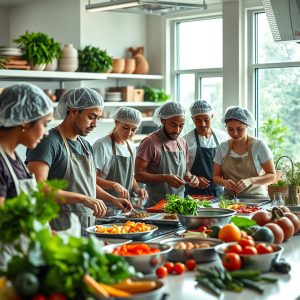
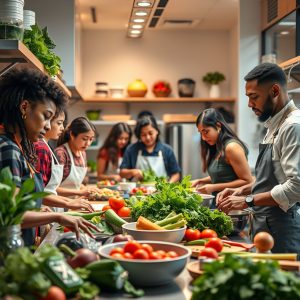
Gone are the days when cooking skills were passed down solely through handwritten recipes or family gatherings. Today, immersive culinary education is revolutionizing how home cooks learn and refine their techniques. Interactive kitchen workshops, virtual cooking classes, and augmented reality (AR) tutorials are making it possible to engage with culinary arts in ways that were once reserved for professional chefs. These experiences go beyond mere instruction—they create a multisensory environment where participants can touch, smell, and taste their way through a recipe, fostering a deeper understanding of ingredients and techniques.
For example, AR-powered cooking apps can overlay step-by-step instructions directly onto a countertop, guiding users through chopping, sautéing, or plating with real-time feedback. This hands-on approach not only builds confidence but also encourages experimentation, allowing home cooks to explore global cuisines and advanced techniques without the intimidation factor. The result? A new generation of cooks who are as comfortable deboning a fish as they are crafting a perfectly balanced sauce.
Sensory Cooking Techniques and Personalized Flavor Profiling
Cooking is as much about intuition as it is about precision, and sensory cooking techniques are bringing this balance to the forefront. By engaging all five senses—sight, sound, touch, smell, and taste—home cooks can develop a more nuanced understanding of how flavors interact and evolve during the cooking process. Techniques like blind taste tests, aroma mapping, and texture analysis help individuals refine their palates and create dishes that resonate on a personal level.
Personalized flavor profiling takes this concept further by leveraging data-driven insights to tailor recipes to individual preferences. Apps and smart kitchen devices can analyze a user’s taste preferences, dietary restrictions, and even mood to suggest ingredient pairings or adjustments. For instance, if a user consistently prefers spicy, umami-rich flavors, the system might recommend adding a dash of smoked paprika or a splash of fish sauce to elevate a dish. This level of customization ensures that every meal is not just delicious but also deeply satisfying on a personal level.
Tech-Assisted Precision Cooking: Where Accuracy Meets Creativity
Precision cooking has long been a hallmark of professional kitchens, but advancements in technology are bringing this level of accuracy into the home. Smart sous-vide machines, induction cooktops with temperature control, and AI-powered kitchen scales are just a few of the tools that allow home cooks to achieve restaurant-quality results with minimal effort. These devices take the guesswork out of cooking, ensuring that proteins are perfectly tender, vegetables are crisp-tender, and sauces are emulsified to perfection.
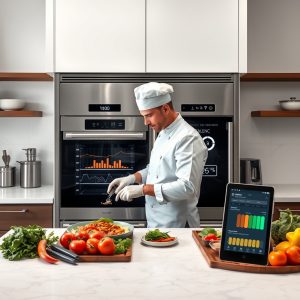
But precision cooking isn’t just about following a recipe to the letter—it’s about using technology to enhance creativity. For example, smart ovens equipped with computer vision can recognize the type of food being cooked and adjust settings accordingly, freeing the cook to focus on plating or experimenting with garnishes. Similarly, AI-driven recipe generators can suggest unexpected ingredient pairings, like pairing dark chocolate with blue cheese or adding a hint of lavender to a citrus glaze, pushing the boundaries of traditional flavor combinations.
Sustainable Ingredient Sourcing and Mindful Food Preparation
As awareness of environmental and ethical concerns grows, sustainable ingredient sourcing has become a cornerstone of modern home cooking. Home cooks are increasingly seeking out locally grown, organic, and seasonal ingredients, not only for their superior flavor but also for their reduced environmental impact. Farmers’ markets, community-supported agriculture (CSA) programs, and even home gardens are becoming integral parts of the culinary landscape, allowing individuals to connect with the origins of their food.
Mindful food preparation goes hand in hand with sustainable sourcing, emphasizing the importance of reducing waste and honoring the ingredients being used. Techniques like nose-to-tail cooking, root-to-stem vegetable preparation, and composting are gaining popularity as home cooks strive to make the most of every ingredient. Additionally, practices like batch cooking and meal prepping help minimize food waste while ensuring that meals are both nutritious and convenient.
Collaborative Recipe Development and Cultural Culinary Preservation
The digital age has made it easier than ever for home cooks to collaborate and share their culinary creations. Online platforms and social media communities allow individuals to exchange recipes, techniques, and cultural insights, fostering a global exchange of culinary knowledge. Collaborative recipe development not only sparks creativity but also helps preserve traditional dishes and cooking methods that might otherwise be lost to time.
For example, a home cook in Italy might share a family recipe for handmade pasta with a cook in Japan, who then adapts it using local ingredients like miso or yuzu. This cross-pollination of ideas not only enriches the culinary landscape but also ensures that cultural heritage is celebrated and preserved. Similarly, interactive kitchen workshops that focus on regional cuisines—such as Mexican mole or Indian curries—provide a platform for passing down age-old techniques to new generations.
Efficient Kitchen Design and Adaptive Cooking Workflows
The layout and organization of a kitchen can significantly impact the cooking experience, and efficient kitchen design is becoming a priority for home cooks. Thoughtful placement of appliances, ample counter space, and easy access to tools and ingredients can streamline the cooking process, making it more enjoyable and less stressful. Adaptive cooking workflows take this a step further by tailoring the kitchen environment to the cook’s specific needs and preferences.
For instance, a kitchen designed for a baker might prioritize a large, uncluttered countertop for rolling out dough, while a cook who frequently entertains might opt for an open layout that allows for easy movement between the stove, sink, and dining area. Smart storage solutions, such as pull-out pantries or magnetic knife strips, can also enhance efficiency by keeping essential tools within reach. By optimizing the kitchen space, home cooks can focus more on the creative aspects of cooking and less on the logistical challenges.
The fusion of tradition and innovation in the home kitchen is creating a culinary landscape that is as diverse as it is dynamic. Whether through immersive education, sensory techniques, or tech-assisted precision, these approaches are empowering home cooks to explore new flavors, reduce waste, and connect more deeply with their food. As technology continues to evolve and cultural exchanges flourish, the possibilities for culinary creativity are endless, inviting everyone to reimagine what it means to cook and share a meal at home.