The Evolution of the Home Kitchen: Where Technology Meets Intuitive Culinary Mastery
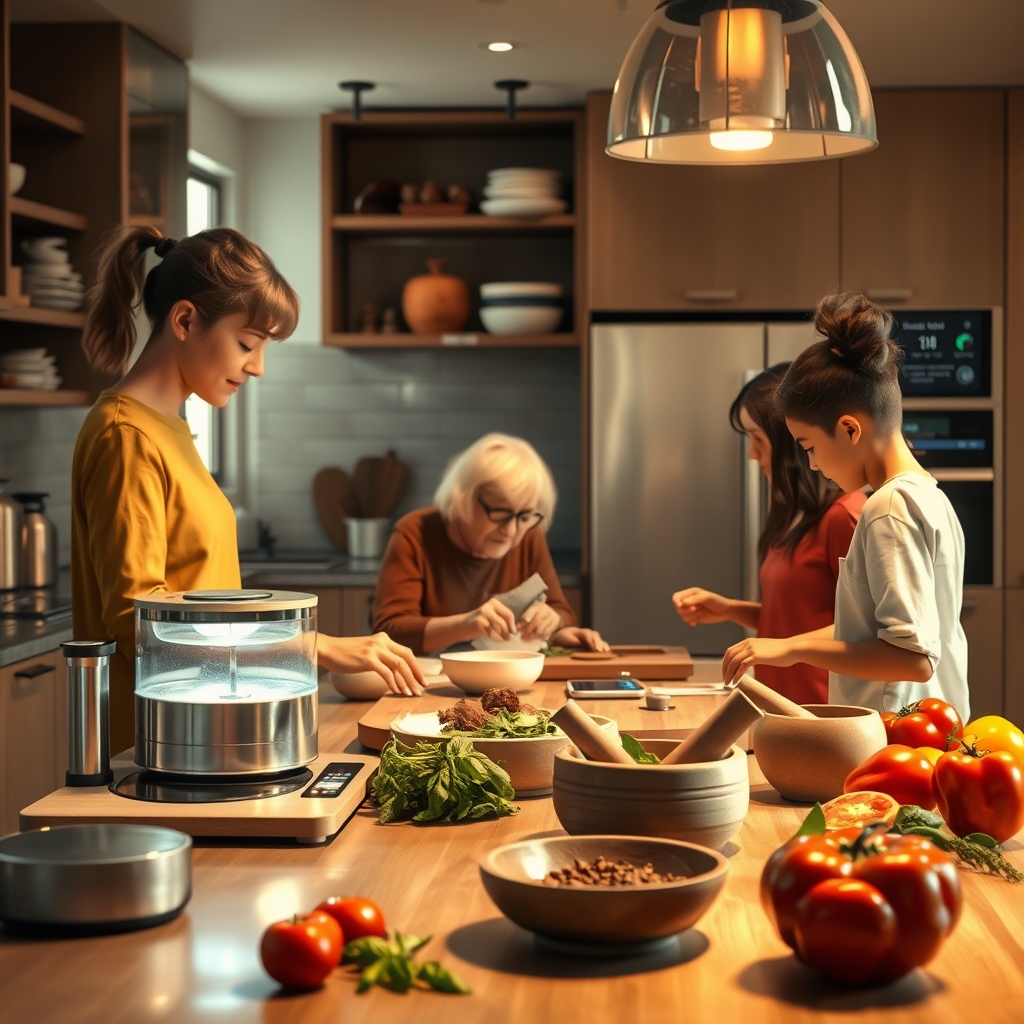
The modern home kitchen is no longer just a place to prepare meals—it has become a dynamic laboratory where tradition, innovation, and personal expression converge. As culinary enthusiasts seek deeper connections with their food, a new wave of intuitive culinary experiences is emerging, blending tech-assisted precision cooking with mindful food preparation to create something truly transformative. This evolution is not about replacing the human touch but enhancing it, allowing cooks to refine their skills while exploring flavors, textures, and techniques in ways previously unimaginable.
The Rise of Adaptive Cooking Workflows
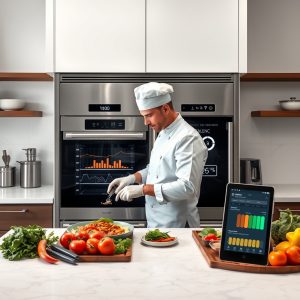
Gone are the days of rigid recipes that demand exact measurements and unyielding timelines. Today’s home cooks are embracing adaptive cooking workflows, a flexible approach that encourages experimentation while maintaining structure. Smart kitchen tools, such as precision sous-vide machines and AI-powered scales, provide real-time feedback, adjusting temperatures and ratios on the fly. This technology doesn’t dictate the process—it collaborates, learning from the cook’s preferences and suggesting tweaks to elevate a dish without stifling creativity.
For example, a cook preparing a classic risotto might use a connected induction burner that monitors starch release, gently guiding them toward the perfect al dente texture. Meanwhile, a companion app could suggest complementary ingredients based on personalized flavor profiling, ensuring each bite resonates with the cook’s unique palate. This synergy between human intuition and digital assistance is redefining what it means to cook with confidence.
Sensory Techniques and the Art of Presence
In an era dominated by screens and distractions, sensory cooking techniques offer a refreshing return to mindfulness. The act of cooking becomes a meditative practice, where the sizzle of garlic in hot oil, the aroma of fresh herbs, and the vibrant colors of seasonal produce demand full attention. This heightened awareness doesn’t just improve the quality of the meal—it transforms the cook’s relationship with food, fostering a deeper appreciation for each ingredient’s journey from sustainable sourcing to the plate.
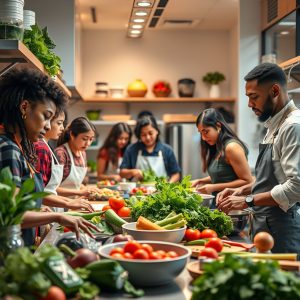
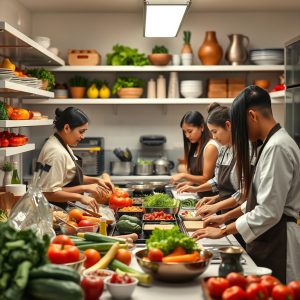
Workshops and interactive kitchen sessions are increasingly popular, teaching participants how to engage all five senses in the cooking process. A simple exercise, like blindfolded taste tests, can reveal hidden nuances in ingredients, while texture-based challenges encourage cooks to think beyond flavor. These techniques aren’t just for professionals; they’re accessible tools that empower home cooks to trust their instincts and develop a more intuitive approach to the kitchen.
Cultural Preservation Through Collaborative Creativity
Food is one of humanity’s most powerful storytellers, carrying the history, traditions, and values of communities across generations. Yet, as global palates evolve, there’s a growing concern about the erosion of cultural culinary preservation. The solution? Collaborative recipe development—a movement where home cooks, chefs, and food historians come together to document, adapt, and innovate upon traditional dishes.
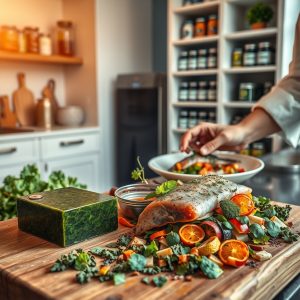
Platforms dedicated to this cause allow users to share family recipes, annotate them with personal anecdotes, and even crowdsource modern twists. A grandmother’s handwritten notes on a decades-old spice blend might inspire a young cook to experiment with creative ingredient pairing, such as infusing a classic mole with unexpected elements like dark chocolate and smoked paprika. This exchange of knowledge ensures that culinary heritage remains vibrant and relevant, even as tastes change.
Designing Kitchens for Efficiency and Inspiration
The physical space where we cook plays a pivotal role in shaping our culinary experiences. Efficient kitchen design</ is no longer just about aesthetics—it’s about creating an environment that supports adaptive workflows and conscious cooking habits. Modular layouts, ergonomic tools, and smart storage solutions can streamline the cooking process, reducing friction and allowing more time for creativity.
Consider the rise of multi-functional appliances, like combi-ovens that switch between convection, steam, and air-frying modes, or countertops with built-in induction zones that double as prep surfaces. These innovations aren’t about cluttering the kitchen with gadgets but about thoughtfully integrating technology to enhance functionality. When every tool has a purpose and every movement is intentional, the kitchen becomes a place where inspiration flows as freely as the ingredients.
The Data-Driven Palate: Nutrition Meets Personalization
As awareness of dietary needs and health goals grows, so does the demand for data-driven nutrition tracking. Modern cooks are no longer satisfied with generic meal plans; they want insights tailored to their bodies, lifestyles, and flavor preferences. Apps that sync with wearable devices can now provide real-time feedback on how a meal impacts energy levels, digestion, and even mood, allowing cooks to refine their recipes with precision.
This approach extends beyond mere calorie counting. Imagine a home cook preparing a stir-fry and receiving a notification that suggests adding a handful of spinach to boost iron intake or swapping white rice for quinoa to increase protein. These subtle nudges, powered by real-time cooking analytics, make it easier to align culinary creativity with nutritional goals, turning every meal into an opportunity for both pleasure and wellness.
The home kitchen of the future is not a distant dream—it’s a reality unfolding today, where technology and tradition coexist in harmony. By embracing adaptive workflows, sensory techniques, and collaborative creativity, cooks are not just preparing meals; they’re crafting experiences that nourish the body, engage the mind, and honor the past. The tools and techniques may evolve, but the essence of cooking remains the same: a celebration of flavor, connection, and the joy of sharing something made with care. As these innovations continue to shape the way we cook, the kitchen will always be the heart of the home—a place where every meal tells a story and every dish is an opportunity to learn, grow, and savor.