The Rise of Upcycled Food Snacks: Turning Waste into Flavorful Delights
In a world where sustainability is no longer just a buzzword but a necessity, the food industry is undergoing a remarkable transformation. One of the most exciting and impactful trends emerging is the rise of upcycled food snacks. These innovative treats are not only delicious but also play a crucial role in reducing food waste, making them a win-win for both consumers and the planet.
The Concept of Upcycled Food
Upcycled food refers to products made from ingredients that would otherwise be discarded as waste. This can include everything from fruit and vegetable peels to spent grains from beer brewing or even imperfect produce that doesn’t meet the aesthetic standards of grocery stores. By repurposing these ingredients into snacks, the food industry is finding creative ways to minimize waste and maximize resources.
The Upcycled Food Association defines upcycled foods as those that “use ingredients that otherwise would not have gone to human consumption, are procured and produced using verifiable supply chains, and have a positive impact on the environment.” This definition underscores the importance of transparency and sustainability in the upcycled food movement.
Why Upcycled Snacks Are Gaining Popularity
Consumers today are more conscious than ever about the environmental impact of their food choices. According to a study by the Hartman Group, nearly 60% of consumers are actively seeking out sustainable food options. Upcycled snacks align perfectly with this growing demand, offering a guilt-free way to enjoy tasty treats while supporting a circular economy.
Moreover, upcycled snacks are often packed with nutrition. Many of the ingredients used in these products, such as fruit peels or vegetable scraps, are rich in fiber, vitamins, and antioxidants. This makes them not only a sustainable choice but also a healthy one. For example, snacks made from upcycled coffee fruit—the pulp that surrounds coffee beans—are high in antioxidants and have a naturally sweet, tropical flavor.
Innovative Examples of Upcycled Snacks
The market for upcycled snacks is expanding rapidly, with brands around the world introducing innovative products that turn waste into wonder. Here are a few standout examples:
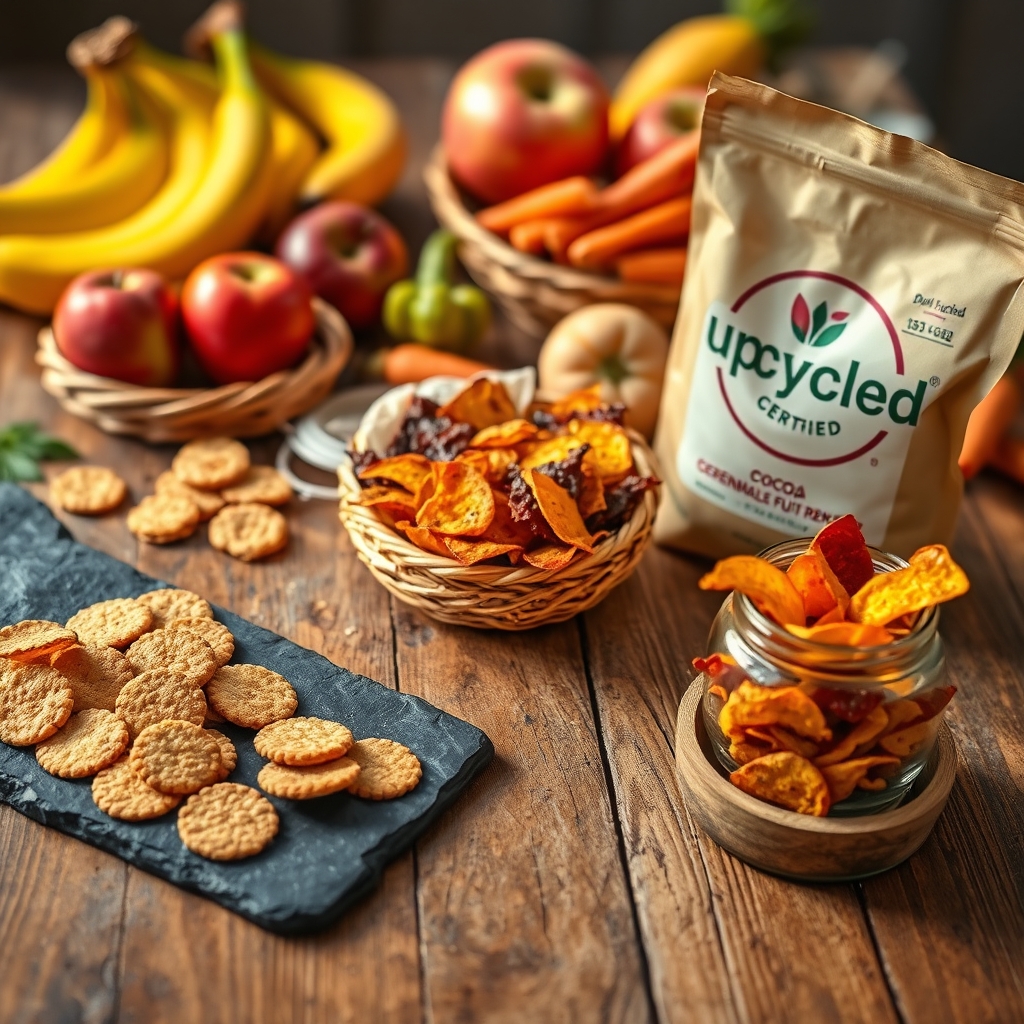
- Spent Grain Crackers: Breweries generate tons of spent grain, a byproduct of the beer-making process. Companies like ReGrained have turned this nutrient-rich grain into delicious, crunchy crackers that are high in protein and fiber.
- Fruit Peel Chips: Brands like Barnana use upcycled banana peels to create chewy, sweet snacks. These chips are not only tasty but also reduce the massive amount of banana waste generated by the food industry.
- Imperfect Produce Snacks: Companies like Misfits Market and Imperfect Foods rescue “ugly” fruits and vegetables that would otherwise go to waste and turn them into snacks, juices, and other products. This not only reduces food waste but also makes healthy snacks more accessible and affordable.
- Cocoa Fruit Jerky: The cocoa fruit, often discarded after the beans are harvested for chocolate, is being upcycled into chewy, fruit-based jerky. Brands like CaPao are leading the way in transforming this overlooked ingredient into a delicious and sustainable snack.
The Environmental Impact of Upcycled Snacks
Food waste is a global issue, with approximately one-third of all food produced for human consumption lost or wasted each year, according to the United Nations. This waste contributes to greenhouse gas emissions, as decomposing food in landfills releases methane, a potent greenhouse gas. By upcycling food waste into snacks, companies are helping to reduce these emissions and lessen the environmental footprint of the food industry.
In addition to reducing waste, upcycled snacks often require fewer resources to produce than conventional snacks. For example, using spent grain from breweries eliminates the need to grow additional crops for snack production, saving water, land, and energy. This makes upcycled snacks a more sustainable option from farm to table.
How to Incorporate Upcycled Snacks into Your Diet
Incorporating upcycled snacks into your diet is easier than you might think. Many of these products are now available in mainstream grocery stores, health food shops, and online retailers. Here are a few tips to get started:
- Start Small: If you’re new to upcycled snacks, try a few different options to see what you like. Many brands offer variety packs, making it easy to sample a range of flavors and textures.
- Look for Certifications: The Upcycled Food Association offers a certification program to help consumers identify genuine upcycled products. Look for the “Upcycled Certified” logo on packaging to ensure you’re making a sustainable choice.
- Get Creative in the Kitchen: You can also make your own upcycled snacks at home. For example, vegetable peels can be turned into crispy chips, and overripe fruit can be blended into smoothies or baked into energy bars. The possibilities are endless!
- Support Brands with a Mission: Many upcycled snack brands are small businesses with a strong commitment to sustainability. By supporting these companies, you’re not only enjoying delicious snacks but also contributing to a more sustainable food system.
As the demand for sustainable food options continues to grow, upcycled snacks are poised to become a staple in pantries around the world. These innovative products prove that sustainability and flavor can go hand in hand, offering a delicious way to make a positive impact on the planet. Whether you’re snacking on spent grain crackers, sipping a probiotic drink made from upcycled ingredients, or enjoying a fruit peel chip, every bite is a step toward a more sustainable future. The beauty of upcycled snacks lies not just in their taste but in their ability to transform what was once considered waste into something truly extraordinary, reminding us that even the smallest choices can lead to meaningful change.