The New Wave of Gourmet: How High-Protein Ice Cream, Smoked Chili Crisp, and Global Fusion Cuisine Are Redefining Indulgence
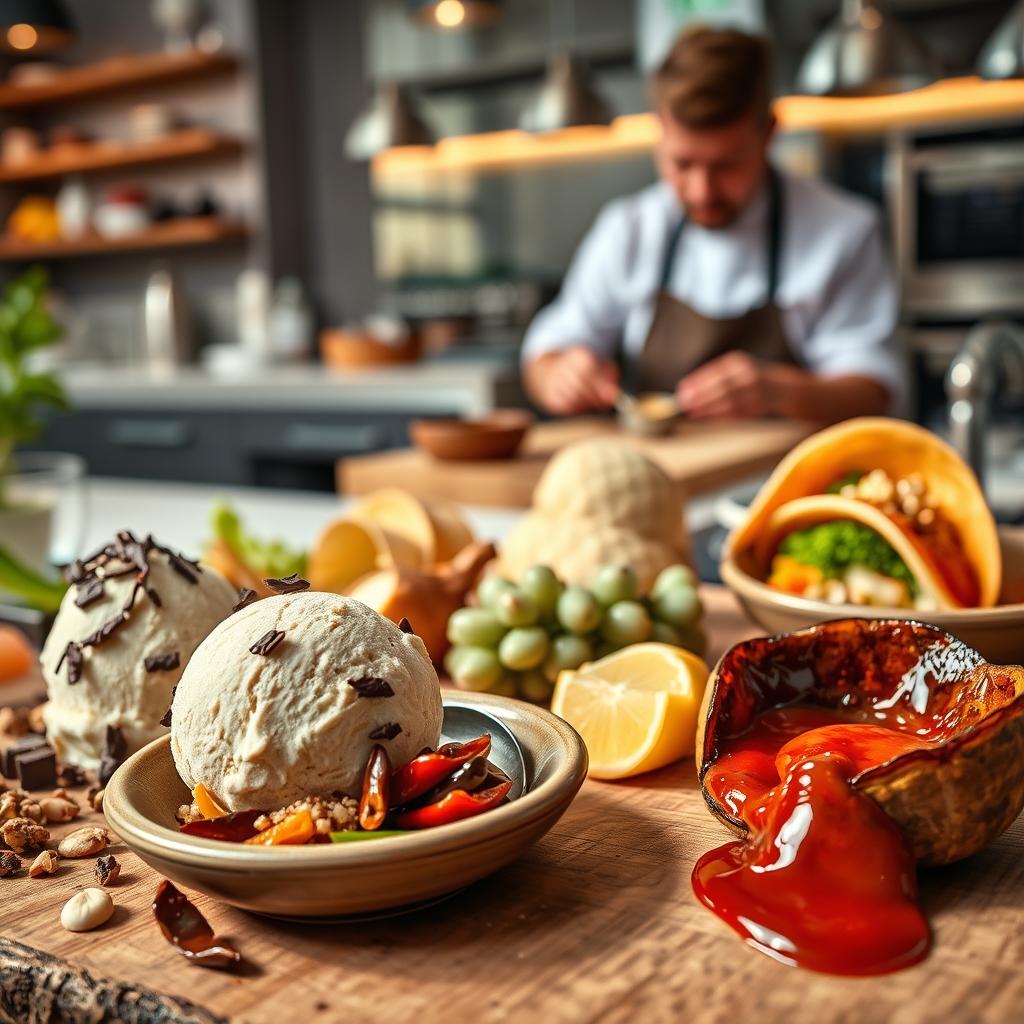
The culinary world is undergoing a transformation, where indulgence no longer means sacrificing nutrition or innovation. From creamy high-protein ice creams that satisfy sweet cravings without guilt to the fiery, umami-rich complexity of smoked chili crisp, modern gourmet is about redefining what it means to enjoy food. These trends are not just about taste—they’re about pushing boundaries, merging cultures, and embracing ingredients that challenge traditional notions of flavor and function.
The Rise of High-Protein Ice Cream: A Guilt-Free Delight
Ice cream has long been the ultimate comfort food, but its reputation as a sugary, calorie-laden treat is being rewritten. High-protein ice cream, often made with whey or plant-based proteins, is gaining traction among fitness enthusiasts and dessert lovers alike. Brands are now crafting creamy, rich textures that rival traditional ice cream while packing in 15-20 grams of protein per serving. The secret? Innovative stabilizers and natural sweeteners like monk fruit or erythritol, which keep the sugar content low without sacrificing taste.
What makes this trend particularly exciting is its accessibility. No longer confined to specialty health food stores, high-protein ice cream is now available in mainstream supermarkets, often in flavors like salted caramel, chocolate peanut butter, and even matcha. It’s a testament to how modern food science is making indulgence more inclusive, catering to those who want to enjoy dessert without derailing their nutritional goals.
Smoked Chili Crisp: The Umami Bomb Redefining Condiments
If there’s one condiment that has taken the culinary world by storm, it’s smoked chili crisp. Originating from Chinese cuisine, this fiery, crunchy, and deeply savory paste is made from chili flakes, garlic, fermented soybeans, and—most importantly—smoked oil. The result is a complex, addictive flavor that elevates everything from noodles and dumplings to avocado toast and even vanilla ice cream (yes, really).
The beauty of smoked chili crisp lies in its versatility. It’s not just a condiment; it’s a flavor enhancer that bridges the gap between heat, smokiness, and umami. Chefs are now incorporating it into marinades, dressings, and even cocktails, proving that this trend is here to stay. Its rise also reflects a broader shift toward global fusion cuisine, where traditional flavors from one culture are reimagined in unexpected ways.
Global Fusion Cuisine: Where Tradition Meets Innovation
Global fusion cuisine is more than just a trend—it’s a movement. Chefs are blending techniques, ingredients, and traditions from different cultures to create dishes that are both familiar and entirely new. Think Korean tacos, sushi burritos, or Indian-inspired pizza topped with tandoori chicken and mint chutney. These creations are not just about novelty; they’re about celebrating diversity and pushing the boundaries of what food can be.
One of the most exciting aspects of global fusion is its ability to introduce diners to new flavors in approachable ways. A dish like ramen carbonara, for example, combines the rich, creamy elements of Italian pasta with the umami depth of Japanese ramen broth. It’s a marriage of two beloved comfort foods that results in something entirely unique. This trend is also a reflection of our increasingly interconnected world, where cultural exchange happens not just through travel but through the food we eat.
The Science Behind the Flavor: Molecular Gastronomy’s Role
While global fusion cuisine celebrates cultural blending, molecular gastronomy takes innovation to a scientific level. This culinary discipline uses techniques like spherification, foaming, and sous-vide cooking to transform familiar ingredients into entirely new textures and experiences. Imagine biting into a