Beyond the Recipe: How Immersive Culinary Education is Transforming Home Cooking
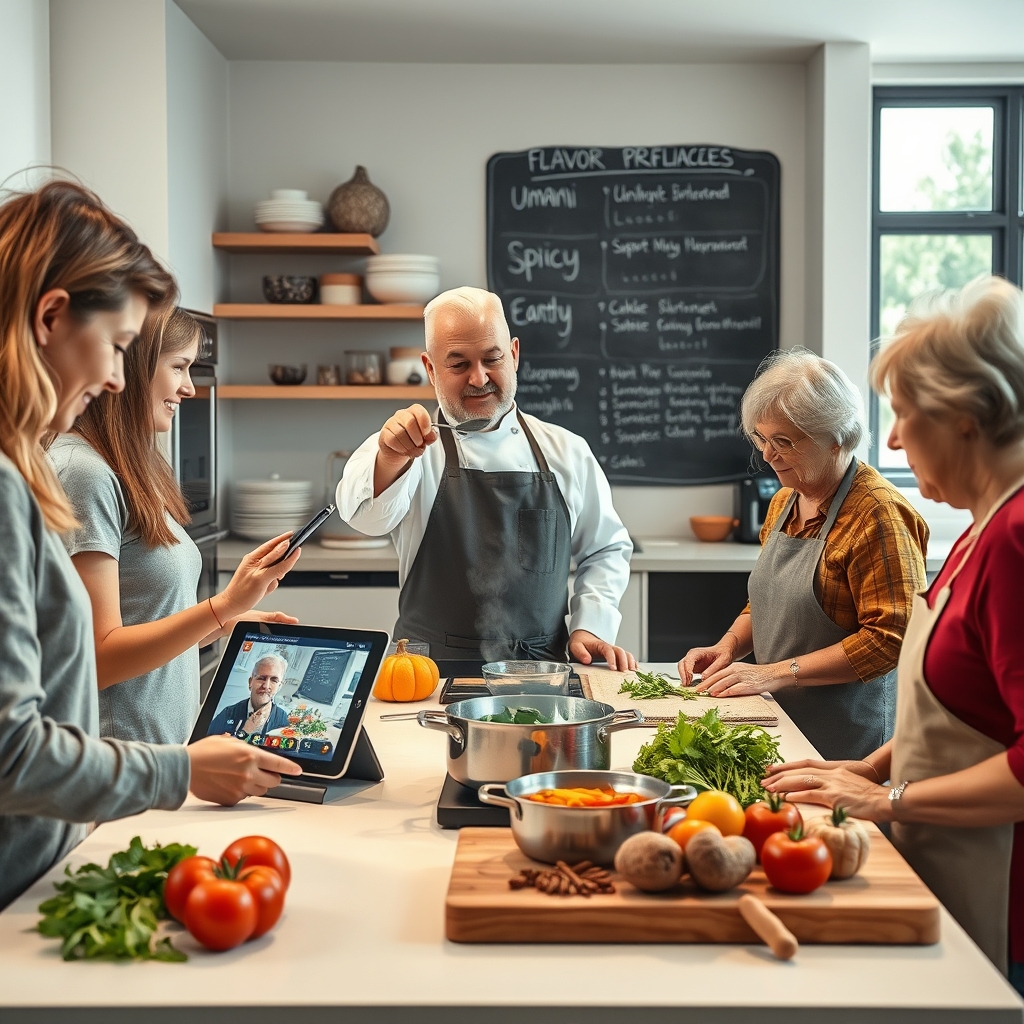
Cooking has long been considered both an art and a science, but the way we learn and engage with culinary skills is evolving at an unprecedented pace. Gone are the days when mastering a dish meant following a static recipe from a dog-eared cookbook. Today, immersive culinary education is reshaping how home cooks approach the kitchen, blending technology, sensory exploration, and personalized learning to create a dynamic and deeply engaging experience. This shift isn’t just about making cooking easier—it’s about making it more intuitive, sustainable, and connected to the broader world of food.
The Rise of Sensory Cooking Techniques
At the heart of this transformation is a renewed focus on sensory cooking techniques, which encourage cooks to engage all five senses in the kitchen. Traditional cooking often prioritizes visual cues—like the golden-brown crust on a loaf of bread or the vibrant color of sautéed vegetables—but modern culinary education is expanding this narrow focus. Chefs and educators are now teaching students to listen for the sizzle of a perfectly heated pan, to smell the aromatic compounds released during caramelization, and to feel the texture of dough as it reaches the ideal consistency.
This multisensory approach does more than just improve cooking skills; it fosters a deeper connection to the food being prepared. When cooks learn to trust their senses, they become less reliant on rigid recipes and more adaptable to the variables that inevitably arise in the kitchen. For example, a pinch of salt might taste perfect to one person but bland to another, and sensory training helps cooks adjust on the fly, leading to more personalized and satisfying results.
Personalized Flavor Profiling: Cooking for Your Unique Palate
One of the most exciting developments in culinary education is the concept of personalized flavor profiling. Just as no two people have the same fingerprint, no two palates are identical. What tastes bold and spicy to one person might be mild to another, and what one cook considers a well-balanced dish could be overwhelmingly sweet or salty to someone else. Recognizing this, culinary educators are now using tools and techniques to help individuals understand their unique flavor preferences and how to tailor dishes to suit them.
This process often begins with flavor mapping exercises, where cooks sample a range of ingredients—from citrusy yuzu to earthy mushrooms—and rate their intensity and appeal. Over time, this data is used to create a personalized flavor profile, which can then inform everything from ingredient selection to seasoning adjustments. Some advanced platforms even use AI to analyze these profiles and suggest recipes or ingredient pairings that align with an individual’s tastes. The result? A more enjoyable and intuitive cooking experience that feels uniquely tailored to the cook.
Interactive Kitchen Workshops: Learning by Doing
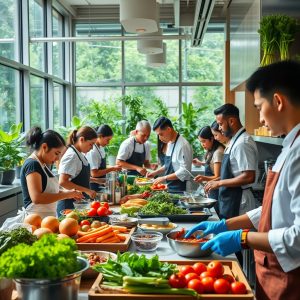
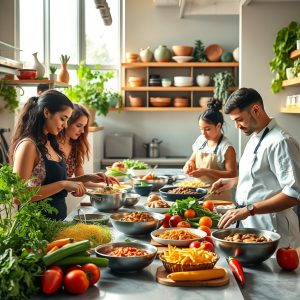
While theory and technique are essential, there’s no substitute for hands-on experience. Interactive kitchen workshops have become a cornerstone of modern culinary education, offering participants the chance to learn in a collaborative, real-world environment. These workshops go beyond traditional cooking classes by incorporating elements of gamification, real-time feedback, and even virtual reality (VR) to create an engaging and immersive learning experience.
For example, some workshops use augmented reality (AR) to overlay cooking instructions directly onto a countertop, guiding participants through each step of a recipe while allowing them to work at their own pace. Others incorporate live streaming, where a chef can demonstrate techniques in real time and answer questions from participants as they cook. This level of interactivity not only makes learning more fun but also helps cooks retain information more effectively. After all, when you’re actively engaged in the process, you’re more likely to remember the techniques and tips you’ve learned.
Sustainable Ingredient Sourcing: Cooking with Conscience
As awareness of environmental issues grows, so too does the emphasis on sustainable ingredient sourcing in culinary education. Today’s cooks are not only learning how to prepare delicious meals but also how to do so in a way that minimizes waste, supports local economies, and reduces their carbon footprint. This shift is reflected in everything from farm-to-table cooking classes to workshops on nose-to-tail butchery and root-to-stem vegetable preparation.
Educators are also teaching cooks how to make the most of seasonal ingredients, which not only ensures better flavor but also reduces the environmental impact of transporting out-of-season produce. Additionally, many culinary programs now include lessons on food preservation techniques, such as fermenting, pickling, and canning, which allow cooks to extend the life of their ingredients and reduce food waste. By integrating sustainability into the curriculum, culinary education is empowering cooks to make choices that are good for both their palates and the planet.
Tech-Assisted Precision Cooking: The Best of Both Worlds
While some might argue that technology has no place in the kitchen, tech-assisted precision cooking is proving that it can be a powerful ally for home cooks. From smart scales that measure ingredients with pinpoint accuracy to sous-vide machines that maintain the perfect temperature for hours, technology is helping cooks achieve professional-level results with greater consistency and less guesswork.
One of the most exciting advancements in this space is the rise of connected kitchen appliances, which can sync with apps to provide real-time guidance and feedback. For example, a smart oven might suggest adjusting the temperature or cooking time based on the weight and type of food being prepared, while a connected scale can ensure that ingredients are measured precisely, even when scaling a recipe up or down. These tools don’t replace the cook’s intuition—they enhance it, allowing for greater creativity and experimentation in the kitchen.
Cultural Culinary Preservation: Keeping Traditions Alive
In an era of globalization, cultural culinary preservation has become an essential part of culinary education. As food trends come and go, there’s a growing movement to document, teach, and celebrate the traditional cooking methods and recipes that have been passed down through generations. This isn’t just about nostalgia—it’s about recognizing the value of cultural heritage and ensuring that these techniques and flavors are not lost to time.
Many culinary schools and community programs now offer classes focused on regional cuisines, from the intricate spice blends of Indian cooking to the slow-fermented flavors of Korean kimchi. These classes often go beyond the recipes themselves, delving into the history, culture, and stories behind the dishes. By learning these traditions, cooks not only expand their culinary repertoire but also gain a deeper appreciation for the diversity and richness of global food cultures.
The kitchen has always been a place of creativity, connection, and discovery, but the way we approach cooking is changing in ways that are both exciting and profound. By embracing immersive techniques, personalized learning, and sustainable practices, modern culinary education is making cooking more accessible, enjoyable, and meaningful than ever before. Whether you’re a seasoned chef or a curious beginner, there’s never been a better time to explore the endless possibilities that await in the kitchen, where every meal is an opportunity to learn, grow, and savor the journey.