The Psychology of Flavor: How Personalized Profiling and Mindful Preparation Are Redefining Culinary Intuition
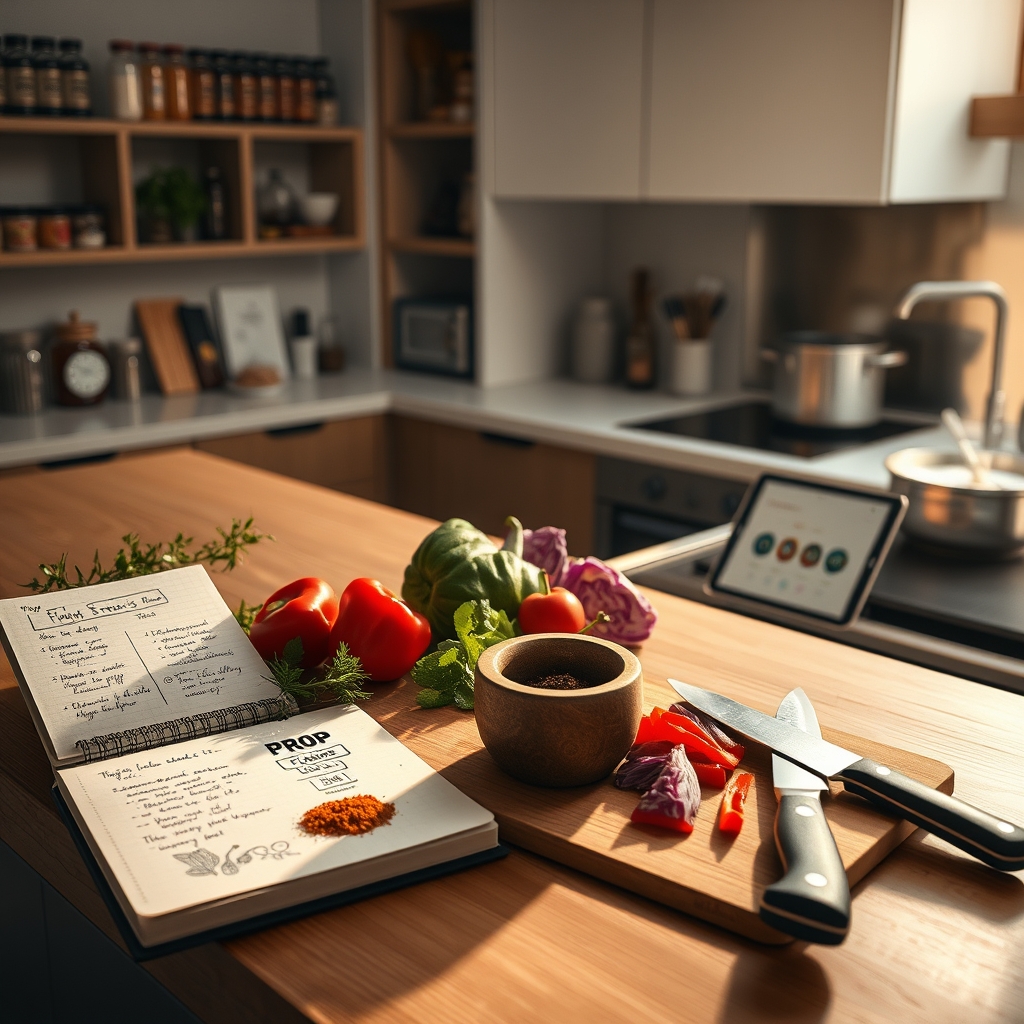
The way we experience food is deeply personal, yet most home cooks follow recipes without considering how their unique sensory preferences shape flavor perception. What if the secret to consistently delicious meals wasn’t just technique, but understanding how your brain processes taste? Emerging approaches in personalized flavor profiling and mindful food preparation are revealing how individual differences in biology, memory, and even mood influence culinary satisfaction. This shift toward introspective cooking is transforming kitchens from spaces of rigid instruction into laboratories of self-discovery.
The Science Behind Your Palate
Recent studies in sensory science demonstrate that flavor perception varies dramatically between individuals. Genetic differences in taste receptors, for instance, mean some people experience bitterness in cruciferous vegetables like kale or Brussels sprouts far more intensely than others. Similarly, cultural upbringing shapes flavor associations—what one person finds comforting, another might perceive as bland or overly complex. Personalized flavor profiling leverages these insights, using simple at-home tests (like PROP taste strips or aroma identification kits) to map an individual’s sensory strengths and blind spots. The result? A tailored understanding of how to balance flavors in ways that resonate uniquely with your palate.
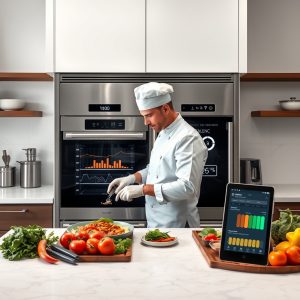
Technology is accelerating this personalization. Apps like FlavorPrint analyze user feedback on dishes to generate flavor profiles, while smart kitchen tools like Thermapens or connected scales provide real-time data to refine techniques. But the most transformative tool may be the simplest: self-awareness. By documenting reactions to ingredients—whether it’s a preference for umami-rich mushrooms or an aversion to cilantro’s soapy notes—cooks can develop an intuitive grasp of flavor harmony that no generic recipe can replicate.
Mindfulness as a Culinary Tool
Beyond biology, mindful food preparation introduces a psychological layer to cooking. The act of chopping vegetables with focused attention, for example, isn’t just about efficiency; it’s about engaging the senses fully. Studies show that mindful cooking reduces stress and enhances flavor perception by priming the brain to notice subtle aromas and textures. This practice aligns with experiential gastronomy methods, where the journey of preparing a meal becomes as important as the final dish.
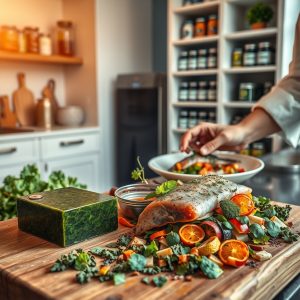
Chefs like Dan Barber of Blue Hill have long advocated for this approach, arguing that the best meals emerge from a deep connection to ingredients. In home kitchens, mindfulness might look like taking a moment to inhale the scent of fresh herbs before adding them to a dish or tasting a sauce at each stage of reduction to appreciate its evolving complexity. These small acts of presence don’t just improve outcomes—they transform cooking into a meditative practice, fostering a deeper relationship with food.
The Role of Adaptive Workflows
For many home cooks, the biggest barrier to mindful cooking is time. Enter adaptive cooking workflows, which blend efficiency with intentionality. Unlike rigid recipes, adaptive workflows provide frameworks that adjust to the cook’s pace and preferences. For example, a workflow for risotto might outline the order of operations (toast rice, deglaze, add broth gradually) while leaving room for improvisation based on the cook’s sensory feedback. This approach mirrors the way professional chefs work, where technique serves creativity rather than constraining it.
Tools like Notion or Trello can help organize these workflows, allowing cooks to track successful adaptations and refine their methods over time. The goal isn’t perfection, but progress—a shift from following instructions to developing a personal culinary language. When combined with sustainable ingredient sourcing, adaptive workflows also encourage flexibility. If a recipe calls for asparagus but the farmer’s market offers ramps, an adaptive cook knows how to adjust flavors and techniques to highlight the new ingredient’s unique qualities.
Building a Flavor-First Kitchen
Creating a kitchen optimized for personalized, mindful cooking doesn’t require a complete overhaul. Start with small, intentional changes: designate a “sensory station” with a journal to record flavor experiments, or reorganize pantry staples by flavor profiles (e.g., grouping spices by their dominant notes—earthy, citrusy, or floral). Efficient kitchen design plays a role here, too. Open shelving for frequently used tools reduces friction, while a well-placed cutting board near the stove streamlines workflows. The key is to design a space that feels intuitive, where every item has a purpose and every movement is deliberate.
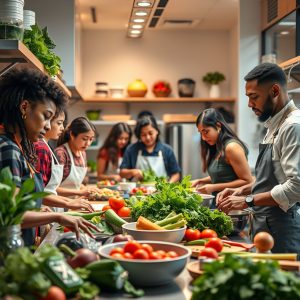
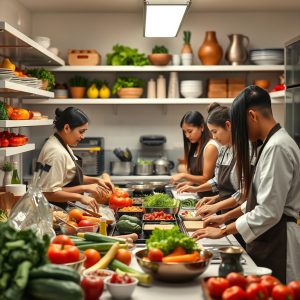
For those eager to dive deeper, interactive kitchen workshops offer hands-on opportunities to explore these concepts. Platforms like MasterClass or local culinary schools now offer courses focused on sensory techniques, such as blind tasting or texture analysis. These experiences not only build skills but also foster a sense of community among like-minded cooks, turning solitary meal prep into a shared exploration of flavor.
Preserving Culinary Intuition in a Data-Driven World
As tech-assisted precision cooking becomes more prevalent, there’s a risk of losing the human element that makes cooking joyful. Sous-vide machines and AI-powered recipe generators can optimize for consistency, but they can’t replicate the serendipity of a dish born from intuition. The challenge—and the opportunity—lies in striking a balance. Use technology to gather data, but let your senses guide the final decisions. Track your nutritional goals with apps, but don’t let them dictate your cravings. The future of cooking isn’t about choosing between tradition and innovation; it’s about using both to create something uniquely yours.
At its core, the psychology of flavor reminds us that cooking is as much about self-discovery as it is about sustenance. Whether you’re a novice or a seasoned home chef, the most powerful tool in your kitchen isn’t a gadget or a recipe—it’s your own palate. By embracing personalized profiling and mindful practices, you’re not just making meals; you’re crafting experiences that reflect who you are, one bite at a time. The kitchen, after all, is where science and soul intersect, and the best dishes are the ones that taste like home.