The Alchemy of Taste: How Experiential Gastronomy and Real-Time Analytics Are Redefining Culinary Creativity
The modern kitchen is no longer just a place to prepare meals—it’s a dynamic laboratory where science, art, and technology converge to create unforgettable culinary experiences. As home cooks and professionals alike seek deeper connections with their food, a new wave of experiential gastronomy methods is emerging, blending tradition with innovation to transform how we engage with ingredients, techniques, and even our own senses. At the heart of this evolution lies the fusion of sensory cooking techniques and real-time cooking analytics, a pairing that turns every dish into an opportunity for discovery and mastery.
The Rise of Experiential Gastronomy
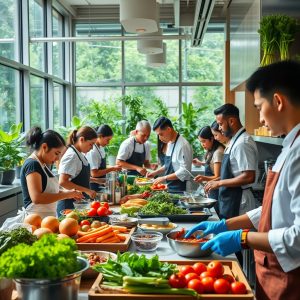
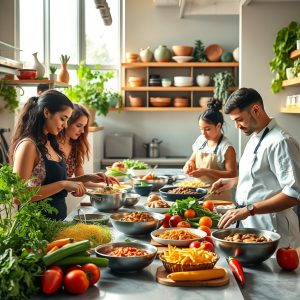
Experiential gastronomy is more than a trend; it’s a philosophy that prioritizes the journey of cooking as much as the destination. Unlike conventional methods that focus solely on following recipes, this approach encourages cooks to immerse themselves in the process—touching, smelling, tasting, and observing ingredients at every stage. Imagine a interactive kitchen workshop where participants don’t just learn to chop onions but explore how the texture changes with each slice, how the aroma evolves as they sauté, and how the flavor profile shifts with the addition of salt or acid. These workshops are becoming increasingly popular, offering hands-on experiences that foster a deeper understanding of food.
One of the most exciting developments in this space is the integration of tech-assisted precision cooking. Devices like smart scales, pH meters, and thermal circulators provide real-time feedback, allowing cooks to adjust their techniques on the fly. For example, a sous-vide machine doesn’t just cook food evenly—it creates an environment where cooks can experiment with time and temperature to achieve perfect doneness, whether they’re preparing a delicate fish fillet or a hearty beef brisket. This level of control turns cooking into a precise, yet creative, endeavor.
Sensory Techniques: The Secret Ingredient
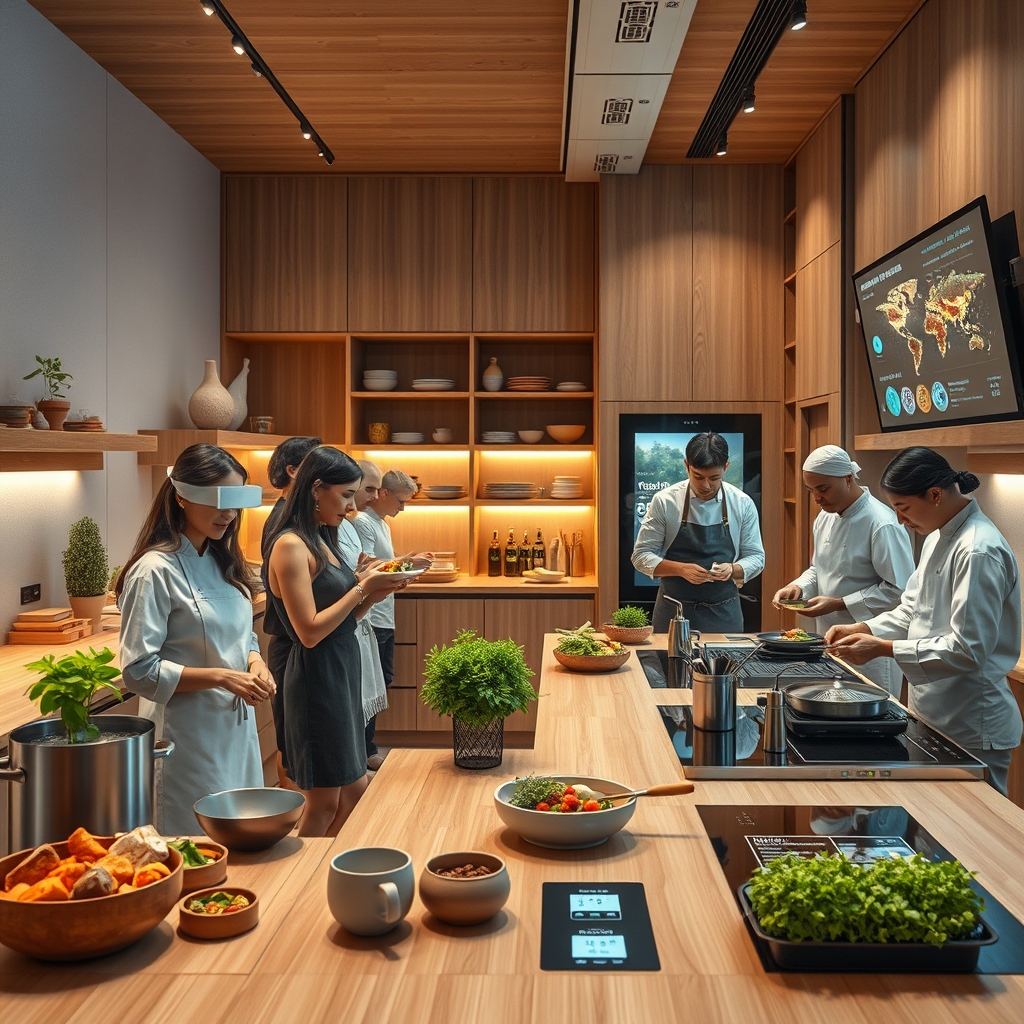
At the core of experiential gastronomy is the belief that cooking is a multisensory experience. Sensory cooking techniques encourage cooks to engage all five senses, transforming the act of preparing a meal into a meditative and enriching practice. Take, for instance, the art of blind tasting—a method where participants sample ingredients or dishes with their eyes closed to heighten their awareness of flavor, texture, and aroma. This exercise not only sharpens the palate but also reveals how our perceptions of taste are influenced by visual cues.
Another powerful technique is mindful food preparation, which borrows principles from mindfulness meditation. By focusing on the present moment—feeling the weight of a knife in hand, listening to the sizzle of garlic in a pan, or inhaling the steam rising from a pot of simmering broth—cooks can cultivate a deeper connection to their food. This practice not only enhances the cooking experience but also leads to more intentional and satisfying meals.
Real-Time Analytics: Cooking with Data
While sensory techniques ground us in the present, real-time cooking analytics propel us into the future. Advances in kitchen technology are making it possible to track and analyze every aspect of the cooking process, from ingredient temperatures to nutritional content. Smart appliances, such as connected ovens and induction cooktops, can now provide instant feedback on cooking times, heat distribution, and even energy efficiency. This data-driven approach allows cooks to refine their techniques, reduce waste, and achieve consistent results.
For those interested in data-driven nutrition tracking, apps and devices can now monitor the nutritional profile of meals in real time. Imagine preparing a stir-fry and receiving instant feedback on its macronutrient balance, or adjusting a recipe on the fly to meet specific dietary goals. This level of precision empowers cooks to make informed decisions about their food, aligning their culinary creations with their health and wellness objectives.
Collaborative Creativity in the Kitchen
Cooking has always been a social activity, but collaborative recipe development is taking it to new heights. Online platforms and communities are enabling cooks from around the world to share ideas, experiment with creative ingredient pairing, and refine recipes together. Whether it’s a virtual cooking club where members test and tweak a new dish or a crowdsourced recipe database that evolves with user input, these collaborative spaces foster innovation and creativity.
One of the most exciting aspects of this trend is the democratization of culinary expertise. Home cooks no longer need to rely solely on professional chefs or cookbooks for inspiration—they can tap into a global network of food enthusiasts who bring diverse perspectives and techniques to the table. This collaborative spirit not only accelerates the development of new recipes but also preserves cultural culinary traditions, ensuring that time-honored techniques and flavors are passed down to future generations.
Designing the Kitchen of the Future
As cooking becomes more immersive and data-driven, the design of our kitchens must evolve to support these new workflows. Efficient kitchen design is no longer just about aesthetics—it’s about creating spaces that enhance productivity, creativity, and sustainability. Modular layouts, ergonomic tools, and smart storage solutions are just a few of the innovations transforming modern kitchens into hubs of culinary innovation.
For example, adaptive cooking workflows can be supported by kitchens designed with flexibility in mind. Adjustable countertops, movable islands, and multi-functional appliances allow cooks to customize their workspace to suit different tasks, whether they’re baking, grilling, or fermenting. Additionally, sustainable ingredient sourcing can be integrated into kitchen design through features like composting systems, energy-efficient appliances, and even indoor gardens for growing fresh herbs and vegetables.
Technology also plays a key role in optimizing kitchen design. Smart refrigerators that track ingredient freshness, voice-activated assistants that guide cooks through recipes, and augmented reality displays that overlay cooking instructions onto countertops are just a few examples of how tech is making kitchens more intuitive and user-friendly. These innovations not only streamline the cooking process but also make it more accessible to people of all skill levels.
The kitchen of the future is a place where tradition and innovation coexist, where every meal is an opportunity to explore, learn, and create. By embracing experiential gastronomy methods and real-time analytics, we’re not just cooking—we’re crafting experiences that nourish the body, engage the senses, and inspire the soul. As we continue to push the boundaries of what’s possible in the kitchen, one thing is clear: the future of cooking is limited only by our imagination, and the tools to bring our culinary visions to life are already at our fingertips.