The Alchemy of Zero-Waste Cooking: How Upcycled Snacks, Fermented Elixirs, and Regenerative Ingredients Are Crafting a Circular Culinary Future
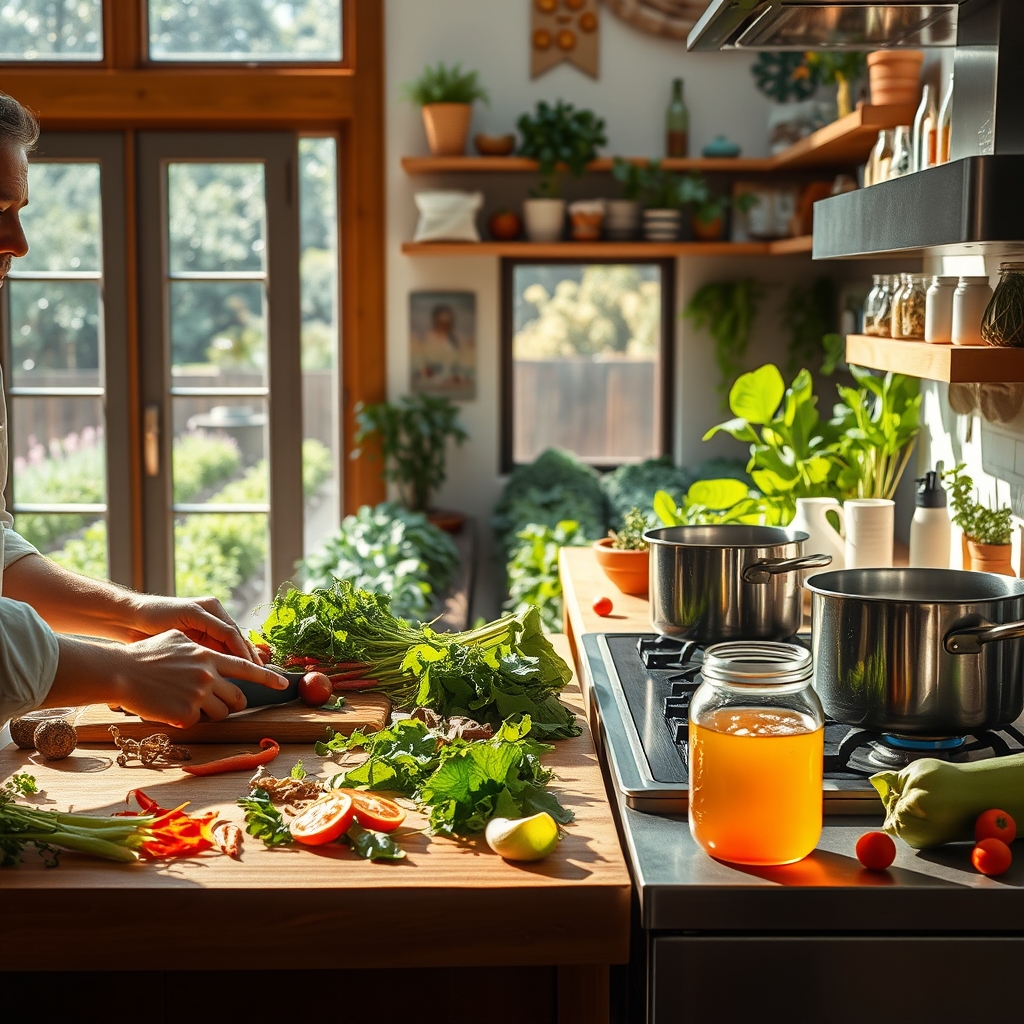
Imagine a kitchen where every peel, stem, and scrap is not just waste but an opportunity—where the remnants of yesterday’s meal become the star of tomorrow’s dish. This is the essence of zero-waste cooking, a movement that is rapidly transforming how we think about food, flavor, and sustainability. At its core, zero-waste cooking is not just about reducing trash; it’s about reimagining the entire lifecycle of ingredients, from farm to fork and back again. And as this philosophy gains momentum, it’s giving rise to a new wave of culinary innovations, from upcycled snacks to fermented elixirs, that are as delicious as they are responsible.
The Philosophy Behind Zero-Waste Cooking
Zero-waste cooking is rooted in the principle of circularity, a concept borrowed from regenerative agriculture and sustainable design. Instead of the traditional linear model—where food is grown, consumed, and discarded—this approach treats every ingredient as part of an ongoing cycle. The goal is to minimize waste at every stage, whether it’s by using vegetable scraps to make broth, transforming fruit peels into candied snacks, or repurposing spent grains from beer brewing into flour for baking. It’s a mindset shift that challenges us to see value in what we’ve long been conditioned to throw away.
But zero-waste cooking isn’t just about practicality; it’s also about creativity. Chefs and home cooks alike are discovering that limitations can breed innovation. When you’re forced to work with what you have—rather than what’s convenient—you begin to experiment with flavors, textures, and techniques that might otherwise go unexplored. The result? Dishes that are not only sustainable but also uniquely flavorful and exciting.
The Rise of Upcycled Food Snacks
One of the most exciting developments in the zero-waste movement is the rise of upcycled food snacks. These are products made from ingredients that would otherwise be discarded, such as fruit pulp left over from juicing, spent grains from breweries, or imperfect produce that doesn’t meet grocery store standards. Companies like ReGrained, which turns brewer’s spent grain into protein-rich snack bars, and Barnana, which upcycles imperfect bananas into chewy snacks, are leading the charge in this space.
Upcycled snacks aren’t just a clever way to reduce waste; they’re also a testament to the untapped potential of overlooked ingredients. Take, for example, the humble coffee cherry—the fruit that surrounds the coffee bean. For years, this nutrient-rich byproduct was discarded during the coffee production process. Today, companies like Wize Monkey are transforming it into teas, powders, and even flour, creating a new category of functional foods that are as good for the planet as they are for our bodies.
Fermented Elixirs: The Zero-Waste Superdrinks
Fermentation has long been a cornerstone of zero-waste cooking, and today, it’s giving rise to a new generation of probiotic-rich elixirs that are as nourishing as they are sustainable. From kombucha made with leftover fruit scraps to water kefir brewed from discarded whey, these drinks are a testament to the power of microbial alchemy. They not only extend the shelf life of ingredients but also enhance their nutritional profile, turning what might have been waste into a gut-friendly superdrink.
One particularly innovative example is the use of vegetable scraps to create fermented hot sauces. By blending and fermenting carrot tops, beet greens, and other often-discarded parts of vegetables, chefs are crafting bold, tangy condiments that add depth to any dish. These ferments are a perfect example of how zero-waste cooking can elevate flavor while reducing waste.
Regenerative Agriculture: The Foundation of Zero-Waste Cooking
At the heart of the zero-waste movement is regenerative agriculture, a farming practice that goes beyond sustainability to actively restore the health of the soil, water, and ecosystem. Unlike conventional agriculture, which often depletes the land, regenerative practices—such as cover cropping, crop rotation, and composting—build soil fertility, sequester carbon, and promote biodiversity. This means that the ingredients we use in zero-waste cooking aren’t just avoiding harm; they’re actively healing the planet.
Foods grown using regenerative practices often have a richer, more complex flavor profile, thanks to the healthy soil in which they’re grown. This makes them ideal for zero-waste cooking, where every part of the ingredient is celebrated. For example, regenerative farms often produce vegetables with more robust leaves and stems, which can be used in everything from pestos to stir-fries. Similarly, grains grown in regenerative systems may have a nuttier, more satisfying taste, making them perfect for upcycled snacks and fermented beverages.
The Role of Technology in Zero-Waste Cooking
While zero-waste cooking is deeply rooted in traditional practices, modern technology is playing an increasingly important role in scaling these efforts. Apps like Too Good To Go connect consumers with surplus food from local restaurants and grocery stores, while platforms like Olio facilitate the sharing of excess ingredients between neighbors. Meanwhile, innovations in food processing—such as freeze-drying and dehydration—are helping to extend the shelf life of upcycled ingredients, making them more accessible to a wider audience.
One particularly promising area is the use of AI and machine learning to optimize food waste reduction. Companies like Winnow are using smart scales and computer vision to help commercial kitchens track and reduce waste, while startups like Apeel are developing plant-based coatings that extend the shelf life of fresh produce. These technologies are making it easier than ever for both home cooks and professional chefs to embrace zero-waste cooking without sacrificing convenience or flavor.
The Future of Zero-Waste Cooking
As the zero-waste movement continues to grow, it’s clear that this is more than just a passing trend—it’s a fundamental shift in how we approach food. The innovations emerging from this space—whether it’s upcycled snacks, fermented elixirs, or regenerative ingredients—are proof that sustainability and deliciousness are not mutually exclusive. In fact, they’re deeply interconnected. When we treat every ingredient with respect and creativity, we unlock flavors and textures that are as exciting as they are responsible.
The beauty of zero-waste cooking lies in its accessibility. You don’t need a professional kitchen or a pantry full of specialty ingredients to get started. All it takes is a willingness to see the potential in what others might discard. Whether it’s turning vegetable scraps into a vibrant pesto, brewing a probiotic-rich tea from fruit peels, or simply composting your coffee grounds, every small step contributes to a larger movement—one that is redefining what it means to eat well, both for ourselves and for the planet. And in a world where every bite counts, that’s a future worth savoring.