
The Rise of Cell-Cultured Meat and Algae-Based Proteins: A Deep Dive into the Future of Sustainable Protein
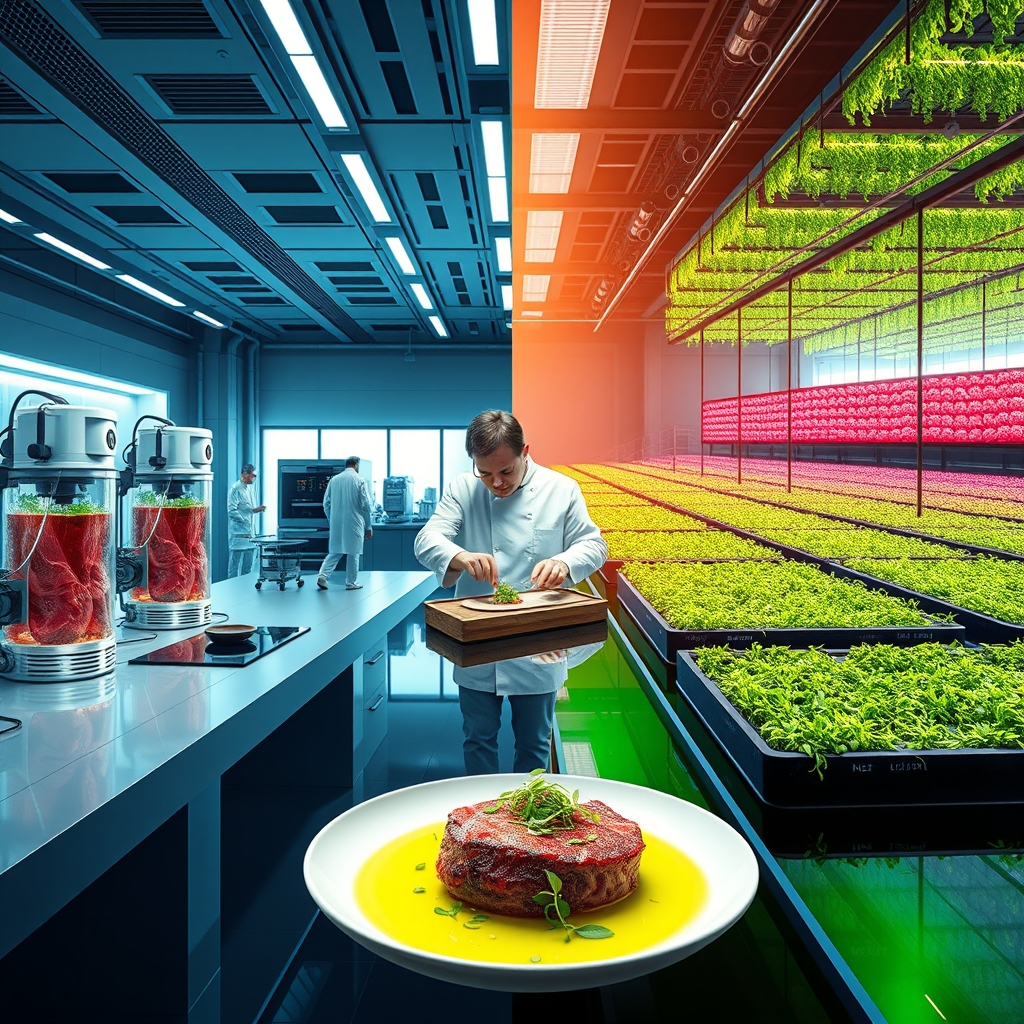
The quest for sustainable protein sources has led to some of the most groundbreaking innovations in modern food science. Among these, cell-cultured meat and algae-based proteins stand out as two of the most promising—and polarizing—developments. These technologies are not just reshaping how we think about food; they’re redefining the very foundations of our food systems, offering solutions to some of the most pressing challenges of our time: climate change, food security, and ethical concerns around animal agriculture.
The Science Behind Cell-Cultured Meat
Cell-cultured meat, often referred to as lab-grown or cultivated meat, is produced by cultivating animal cells in a controlled environment rather than raising and slaughtering livestock. The process begins with the extraction of stem cells from an animal, which are then placed in a nutrient-rich medium that mimics the conditions inside an animal’s body. These cells multiply and differentiate into muscle, fat, and connective tissue, eventually forming meat that is biologically identical to conventional animal meat.
The potential benefits of cell-cultured meat are vast. For one, it drastically reduces the environmental footprint of meat production. Traditional livestock farming is a major contributor to greenhouse gas emissions, deforestation, and water use. Cell-cultured meat, on the other hand, requires significantly less land, water, and energy, making it a far more sustainable option. Additionally, it eliminates the need for animal slaughter, addressing ethical concerns that have long been associated with meat consumption.
Challenges and Controversies
Despite its promise, cell-cultured meat is not without its challenges. One of the biggest hurdles is scaling up production to make it commercially viable. Currently, the cost of producing cell-cultured meat is prohibitively high, though advancements in biotechnology are rapidly driving costs down. Another challenge is consumer acceptance. Many people are hesitant to try meat that has been grown in a lab, often due to misconceptions about its safety or naturalness. However, as more companies enter the space and regulatory bodies like the FDA and USDA approve these products, consumer trust is likely to grow.
The Promise of Algae-Based Proteins
While cell-cultured meat is making waves in the animal protein space, algae-based proteins are emerging as a powerhouse in the plant-based protein market. Algae, particularly microalgae like spirulina and chlorella, are incredibly nutrient-dense, packed with protein, vitamins, minerals, and healthy fats. They also have a remarkably low environmental impact, requiring minimal land and water to grow, and they can be cultivated in a variety of environments, including saltwater and wastewater.
Algae-based proteins are already being used in a variety of products, from protein powders and energy bars to plant-based burgers and dairy alternatives. Their versatility makes them an attractive option for food manufacturers looking to create sustainable, nutrient-rich products. Moreover, algae can be genetically modified to enhance their nutritional profile or improve their taste and texture, opening up even more possibilities for innovation.
Overcoming the “Green” Stigma
One of the biggest challenges facing algae-based proteins is their perception among consumers. Many people associate algae with pond scum or unpleasant flavors, which can be a barrier to acceptance. However, food scientists are making strides in improving the taste and texture of algae-based products, and as more people become aware of their nutritional benefits, the stigma is slowly fading. Brands are also getting creative with marketing, positioning algae as a superfood rather than a novelty ingredient.
The Intersection of Innovation and Sustainability
What makes cell-cultured meat and algae-based proteins so exciting is their potential to address multiple global challenges simultaneously. Both technologies offer a way to produce protein more sustainably, reducing the strain on our planet’s resources while providing nutritious food for a growing population. They also open up new avenues for culinary creativity, allowing chefs and food manufacturers to experiment with flavors, textures, and formats that were previously unimaginable.
For instance, cell-cultured meat could pave the way for entirely new types of meat products, such as hybrid meats that combine cultivated animal cells with plant-based ingredients. Similarly, algae-based proteins could be used to create entirely new categories of food, from algae-infused pasta to spirulina-based desserts. The possibilities are endless, and as these technologies mature, they will likely become more integrated into our daily diets.
Regulatory and Ethical Considerations
As with any emerging technology, cell-cultured meat and algae-based proteins face regulatory and ethical questions. Governments around the world are grappling with how to classify and regulate these products, ensuring they are safe for consumption while also fostering innovation. Ethical considerations also come into play, particularly around the use of genetic modification in algae and the sourcing of animal cells for cultured meat. Transparency and education will be key in addressing these concerns and building consumer trust.
The future of protein is being rewritten before our eyes, and cell-cultured meat and algae-based proteins are at the forefront of this revolution. These innovations are not just about creating new products; they’re about reimagining our entire food system to be more sustainable, ethical, and resilient. As technology advances and consumer acceptance grows, these proteins will likely become a staple in our diets, offering a glimpse into a future where food is not only delicious but also kind to the planet and its inhabitants. The journey is just beginning, and the possibilities are as vast as the ocean from which algae draws its nutrients—or the labs where the next generation of meat is being cultivated.