The Secret Symphony of Hyper-Seasonal Fine Dining: How Luxury Hotels Compose Culinary Masterpieces with Nature’s Fleeting Notes
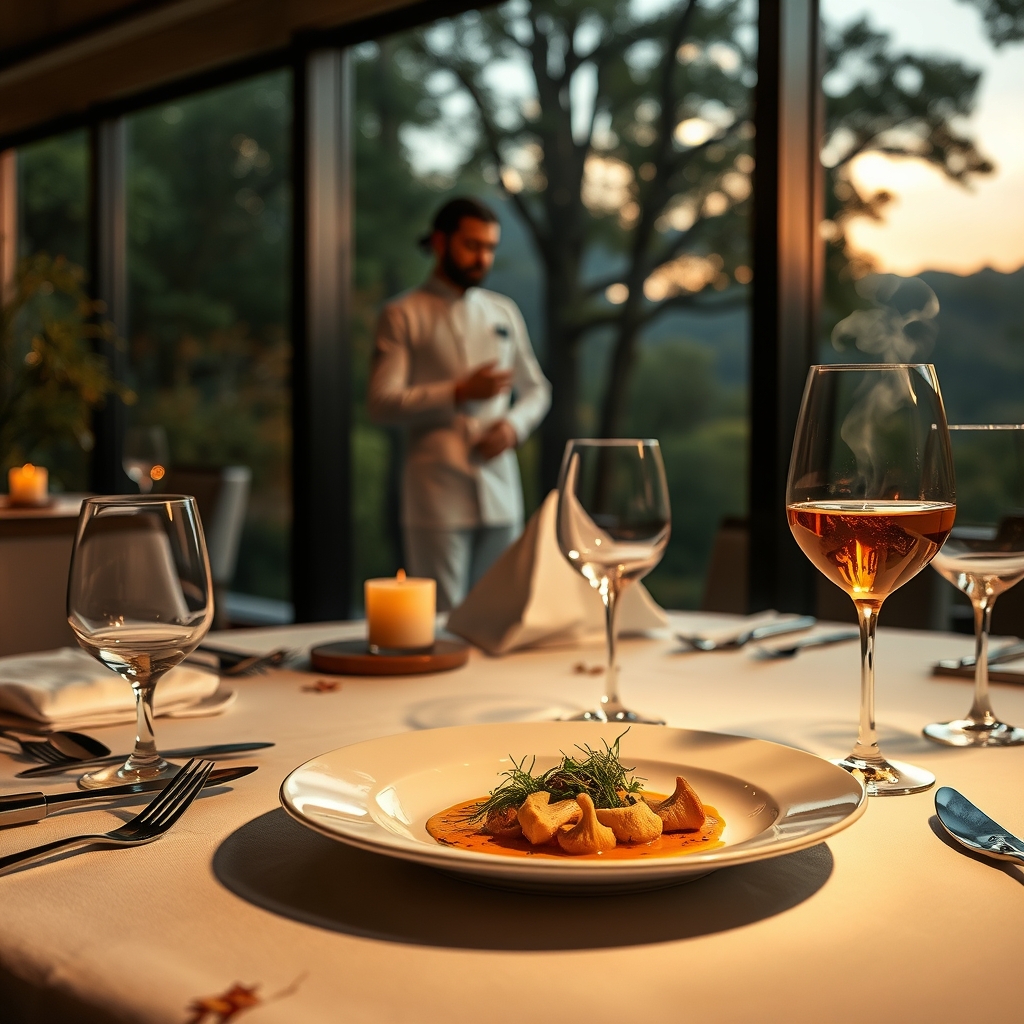
In the rarefied world of luxury hotel dining, a quiet revolution is unfolding—one that listens to the whispers of the earth rather than the clamor of global trends. Here, chefs are not merely cooks; they are composers, orchestrating menus that harmonize with the rhythm of the seasons. Each dish is a fleeting note, a transient melody that captures the essence of a moment before it fades into memory. This is the art of hyper-seasonal fine dining, where the menu is not a static list but a living, breathing testament to nature’s ephemeral beauty.
The Philosophy of Fleeting Perfection
At the heart of hyper-seasonal dining lies a profound respect for time. Unlike mass-produced cuisine, which prioritizes consistency above all else, this approach embraces impermanence. A dish featuring morel mushrooms in spring or heirloom tomatoes in late summer is not just a meal—it’s a celebration of nature’s brief, brilliant appearances. Luxury hotels like Le Meurice in Paris or The Peninsula in Tokyo have elevated this philosophy into an art form, where the menu evolves not by whim, but by the subtle shifts of the natural world.
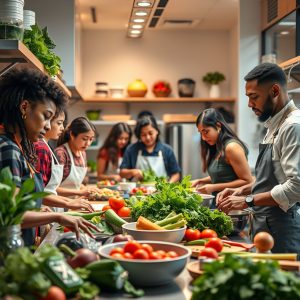
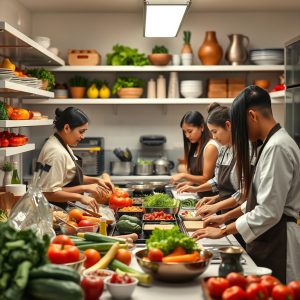
Chefs in these establishments often begin their day not in the kitchen, but in the fields, forests, or markets, where they forage or source ingredients at their peak. The result is a menu that feels alive, where each bite tells a story of terroir, climate, and craftsmanship. It’s a stark contrast to the industrialized food systems that dominate modern dining, offering instead a return to a more intuitive, almost poetic way of eating.
The Alchemy of Hyper-Local Sourcing
Hyper-seasonal dining is inextricably linked to hyper-local sourcing. The two are not just complementary; they are symbiotic. When a chef at The Connaught in London crafts a dish with wild garlic foraged from the British countryside or a sommelier at The Ritz-Carlton in Kyoto pairs a sake with locally grown yuzu, they are not just creating a meal—they are curating an experience that could exist nowhere else, at no other time.
This approach demands a deep collaboration between chefs and producers. Many luxury hotels now work with small-scale farmers, fishermen, and artisans who share their commitment to quality and sustainability. The relationship is built on trust, with chefs often visiting farms to hand-select ingredients or even participating in the harvest. The result is a menu that reflects the land’s bounty in its purest form, unadulterated by long supply chains or preservatives.
The Role of the Chef as Curator
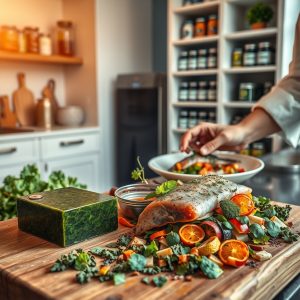
In this world, the chef’s role transcends cooking. They become curators of experience, blending culinary skill with an almost spiritual connection to the ingredients. Take, for example, the tasting menus at Noma in Copenhagen, where chef René Redzepi has redefined what it means to cook with the seasons. His dishes—such as fermented berries served with ants or reindeer moss garnished with edible flowers—are not just meals; they are edible landscapes that invite diners to see the world through a new lens.
This level of creativity requires not only technical mastery but also a willingness to take risks. Hyper-seasonal menus are, by nature, unpredictable. A sudden frost might delay the arrival of asparagus, or an early heatwave could hasten the ripening of strawberries. Chefs must adapt on the fly, improvising like jazz musicians to ensure the menu remains in harmony with the season. It’s a high-stakes game, but one that rewards diners with an experience that is as unique as it is unforgettable.
The Diner’s Journey: A Dance with Time
For the diner, hyper-seasonal fine dining is an invitation to slow down and savor. It’s a reminder that food is not just fuel but a fleeting gift, one that should be appreciated with all the senses. The experience begins long before the first bite, with the anticipation of a menu that changes with the seasons. There’s a thrill in knowing that the dish you’re about to enjoy may never be replicated in quite the same way again—a sentiment that adds a layer of depth to every mouthful.
Luxury hotels have mastered the art of enhancing this journey. At The Langham in Chicago, the seasonal tasting menu is paired with wines from a carefully curated cellar, each selection chosen to complement the ephemeral flavors of the dish. Meanwhile, at Aman Tokyo, the rooftop lounge offers a sky-high perspective on the city’s ever-changing seasons, where diners can watch the cherry blossoms bloom or the snowfall while enjoying a menu that mirrors the landscape below.
The Future of Fine Dining: Sustainability Meets Opulence
As the world grapples with the environmental impact of food production, hyper-seasonal dining offers a path forward—one that marries luxury with sustainability. By focusing on local, seasonal ingredients, hotels reduce their carbon footprint while simultaneously elevating the dining experience. It’s a win-win: diners enjoy meals that are fresher, more flavorful, and more meaningful, while the planet benefits from a more sustainable food system.
This shift is not just a trend but a fundamental reimagining of what fine dining can be. Hotels like Six Senses have taken it a step further, integrating wellness into their seasonal menus with dishes designed to nourish both body and soul. Think turmeric-infused broths in winter or cooling cucumber gazpacho in summer—each dish a reflection of the season’s energy and the diner’s well-being.
Yet, for all its innovation, hyper-seasonal dining remains rooted in something timeless: the human desire to connect with the natural world. In an era of instant gratification, it asks us to pause, to appreciate the beauty of impermanence, and to find joy in the fleeting. It’s a reminder that the most exquisite experiences are often the ones that cannot be replicated, only remembered. And perhaps that is the true luxury of all—a moment of perfection, savored before it slips away.