The Sensory Revolution: How Immersive Culinary Education and Tech-Assisted Precision Are Redefining Home Cooking
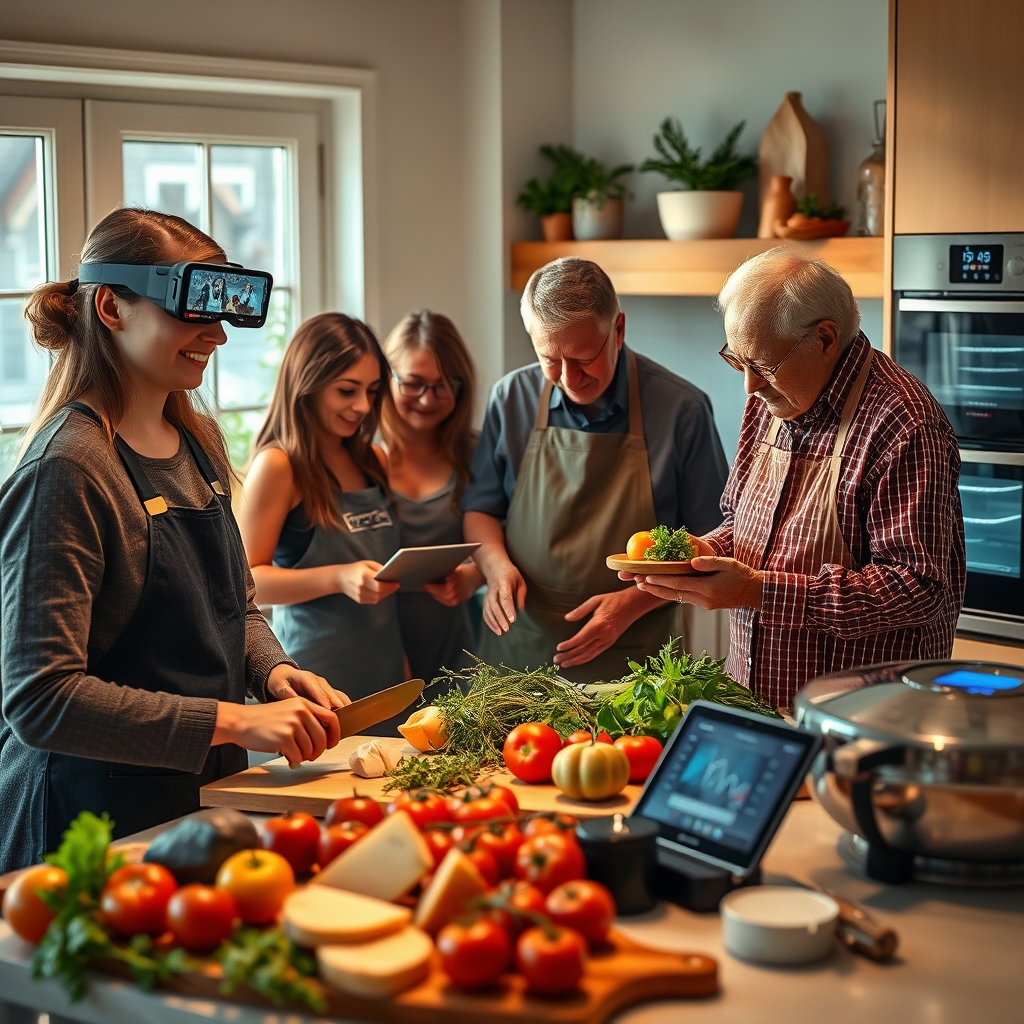
The kitchen has always been a place of transformation—where raw ingredients become nourishment, tradition meets innovation, and creativity takes tangible form. Yet, as our understanding of food deepens, so too does the way we engage with it. The modern home cook is no longer confined to static recipes or rigid techniques. Instead, they are stepping into a dynamic world where immersive culinary education and tech-assisted precision cooking converge to create experiences that are as enriching as they are delicious.
The Rise of Immersive Culinary Education
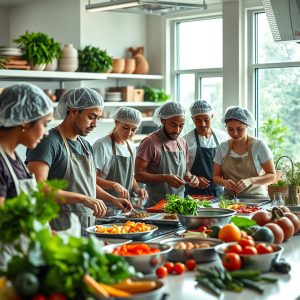
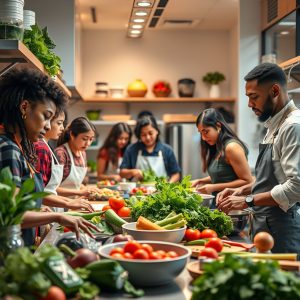
Gone are the days when cooking was taught through dog-eared cookbooks or fleeting television segments. Today, interactive kitchen workshops and virtual culinary schools are democratizing expertise, making professional-level skills accessible to anyone with curiosity and a Wi-Fi connection. Platforms like MasterClass, Rouxbe, and even augmented reality (AR) apps are offering hands-on, real-time guidance that adapts to the learner’s pace. Imagine donning a pair of smart glasses that overlay step-by-step instructions onto your cutting board, or a voice assistant that coaches you through tempering chocolate with the precision of a pastry chef.
These tools don’t just teach techniques—they foster mindful food preparation. By encouraging cooks to engage with ingredients on a deeper level—feeling the texture of dough, smelling the aroma of toasted spices, or listening to the sizzle of a perfectly seared steak—immersive education transforms cooking from a task into a multisensory experience. It’s a shift from following instructions to understanding them, cultivating intuition that lasts far beyond the recipe.
Precision Meets Intuition: The Role of Technology
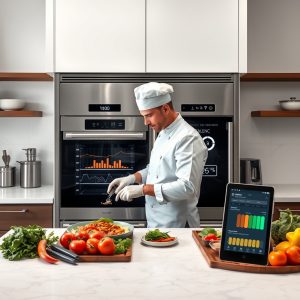
While tradition and intuition remain the heart of cooking, technology is acting as a powerful amplifier. Tech-assisted precision cooking tools—like smart scales that measure ingredients to the gram, sous-vide circulators that maintain exact temperatures, or AI-powered apps that analyze flavor profiles—are eliminating guesswork without sacrificing creativity. These innovations allow home cooks to achieve restaurant-quality results with consistency, whether they’re fermenting kombucha, baking sourdough, or crafting a delicate consommé.
But precision isn’t just about accuracy; it’s about personalization. Advanced algorithms can now suggest ingredient substitutions based on dietary preferences, cultural influences, or even mood. For example, an app might recommend swapping saffron for turmeric in a paella if you’re craving earthy notes, or suggest adding a dash of smoked paprika to elevate a simple tomato sauce. This fusion of data-driven insights and culinary artistry is giving rise to bespoke meal planning that feels both scientific and soulful.
The Art of Adaptive Cooking Workflows
One of the most exciting developments in modern cooking is the concept of adaptive cooking workflows. Unlike rigid recipes that demand exact adherence, adaptive workflows are fluid frameworks that adjust to the cook’s environment, skill level, and available ingredients. Think of it as a choose-your-own-adventure approach to cooking, where a base recipe—say, a stir-fry—can be customized with whatever proteins, vegetables, or sauces are on hand. Apps like SideChef and Mealime are leading this charge, offering dynamic templates that evolve based on user input.
This flexibility is particularly valuable in today’s fast-paced world, where time, budget, and ingredient availability can vary wildly from day to day. Adaptive workflows also encourage creative ingredient pairing, pushing cooks to experiment with flavors they might otherwise overlook. A leftover roasted beet could become the star of a vibrant hummus, or a surplus of herbs might inspire a bold pesto variation. The result? Less food waste, more culinary innovation, and a deeper connection to the ingredients themselves.
Sustainability as a Culinary Philosophy
As awareness of food systems grows, so does the emphasis on sustainable ingredient sourcing. Home cooks are increasingly seeking out local, seasonal, and ethically produced ingredients—not just for their environmental benefits, but for their superior flavor and nutritional value. Farmers’ markets, community-supported agriculture (CSA) programs, and even home gardens are becoming integral to the modern kitchen, fostering a farm-to-fork mentality that celebrates transparency and traceability.
Technology is playing a role here, too. Apps like Too Good To Go connect users with surplus food from local businesses, while platforms like Farmdrop offer direct access to small-scale producers. Even smart refrigerators can now track expiration dates and suggest recipes to use up ingredients before they spoil. By integrating sustainability into the cooking process, home cooks are not only reducing their environmental footprint but also rediscovering the joy of cooking with intention.
The Future of Flavor: Where Science Meets Sensation
At the intersection of sensory cooking techniques and data-driven nutrition tracking lies the future of flavor. Scientists and chefs alike are exploring how our senses—sight, smell, touch, taste, and even sound—shape our perception of food. For instance, research has shown that the color of a plate can influence how sweet a dessert tastes, or that the sound of crunch can enhance the enjoyment of a snack. These insights are being applied in home kitchens through tools like flavor wheels, aroma diffusers, and even sonic seasoning (where sound frequencies are used to amplify taste).
Meanwhile, data-driven nutrition tracking is helping cooks make informed decisions about what they eat. Wearable devices and apps can monitor everything from macronutrient intake to hydration levels, offering personalized recommendations to optimize health. But this isn’t about restrictive diets or calorie counting—it’s about empowering individuals to understand how food fuels their bodies and minds. When combined with sensory techniques, it creates a holistic approach to eating that is as nourishing as it is pleasurable.
The kitchen of the future is not a place of rigid rules or fleeting trends. It’s a space where tradition and innovation coexist, where technology enhances rather than replaces human intuition, and where every meal is an opportunity to learn, create, and connect. As we continue to explore the boundaries of experiential gastronomy methods, one thing is clear: the most transformative ingredient in any dish is the cook’s own curiosity. Whether you’re a novice or a seasoned chef, the tools and techniques emerging today invite you to step into the kitchen not just to cook, but to experience—to savor the process as much as the final bite, and to discover that the journey of flavor is endless.