The Rise of the Thoughtful Chef: How Data-Driven Nutrition and Efficient Kitchen Design Are Transforming Home Cooking
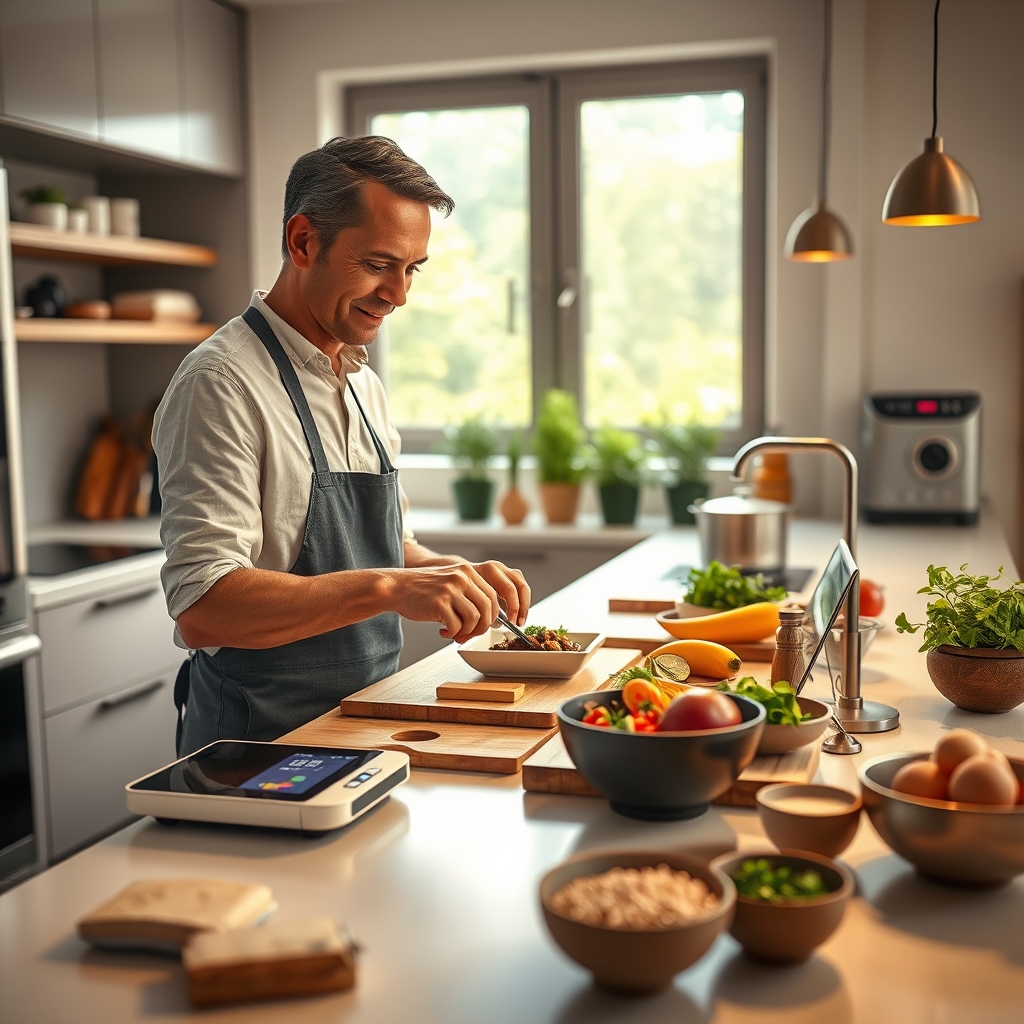
The modern home kitchen is no longer just a place to prepare meals—it’s evolving into a dynamic hub of creativity, efficiency, and personalization. As culinary enthusiasts seek deeper connections with their food, a new wave of tools and techniques is emerging to elevate the cooking experience. From data-driven nutrition tracking to efficient kitchen design, these innovations are empowering home cooks to make smarter, healthier, and more sustainable choices without sacrificing flavor or joy.
The Power of Personalization: Nutrition Meets Culinary Creativity
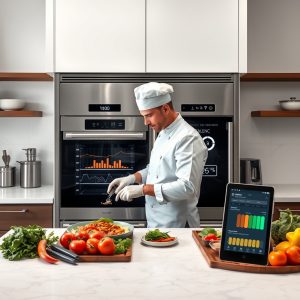
Gone are the days of one-size-fits-all meal plans. Today’s cooks are leveraging personalized flavor profiling and data-driven nutrition tracking to tailor meals to their unique dietary needs, preferences, and even moods. Apps and smart kitchen devices now analyze everything from macronutrient intake to micronutrient deficiencies, offering real-time suggestions for ingredient swaps, portion adjustments, and flavor enhancements. This shift isn’t just about counting calories—it’s about crafting meals that nourish the body while delighting the senses.
For example, a home cook might use a nutrition-tracking app to discover they’re low in iron. The app could then suggest recipes featuring iron-rich ingredients like spinach or lentils, paired with vitamin C sources (such as bell peppers or citrus) to enhance absorption. This level of precision transforms cooking from a routine task into a thoughtful, health-conscious practice.
Designing for Efficiency: The Science of Kitchen Workflow
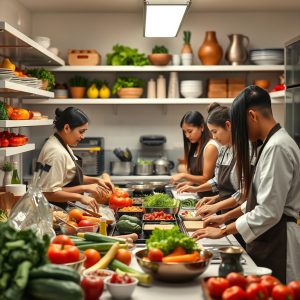
A well-designed kitchen is the backbone of effortless cooking. Efficient kitchen design isn’t just about aesthetics—it’s about optimizing movement, reducing waste, and creating intuitive spaces that adapt to the cook’s needs. The concept of the adaptive cooking workflow is gaining traction, where layouts are tailored to individual habits, whether that means placing frequently used tools within arm’s reach or integrating smart storage solutions for sustainable ingredient sourcing.
Consider the rise of modular kitchen systems, where countertops, appliances, and storage can be reconfigured based on the task at hand. A pastry chef might expand their workspace for rolling dough, while a weeknight cook might prioritize a compact, clutter-free zone for quick stir-fries. These designs aren’t just functional—they’re transformative, turning the kitchen into a fluid extension of the cook’s creativity.
Tech-Assisted Precision: Where Tradition Meets Innovation
Technology is no longer a novelty in the kitchen—it’s a game-changer. Tech-assisted precision cooking tools, like smart sous-vide machines, induction cooktops with temperature control, and AI-powered recipe assistants, are bridging the gap between professional techniques and home cooking. These tools don’t replace skill; they enhance it, allowing cooks to experiment with sensory cooking techniques like sous-vide, fermentation, or low-temperature roasting with confidence.
Imagine a home cook using a smart scale that not only measures ingredients but also provides step-by-step guidance for achieving the perfect texture in a custard or the ideal rise in a sourdough loaf. These tools democratize culinary expertise, making it possible for anyone to achieve restaurant-quality results at home.
Mindful Cooking: The Art of Being Present
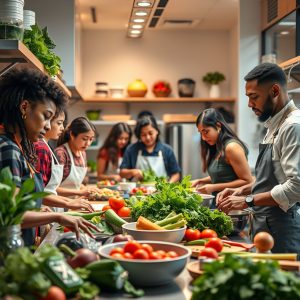
Amid the rise of technology, there’s a growing movement toward mindful food preparation. This practice emphasizes slowing down, engaging the senses, and cultivating a deeper connection with ingredients. Whether it’s the meditative act of chopping vegetables, the rhythmic kneading of dough, or the aromatic symphony of spices toasting in a pan, mindful cooking turns meal prep into a form of self-care.
This approach also extends to sustainable ingredient sourcing. Home cooks are increasingly seeking out local, seasonal, and ethically produced ingredients, not just for their environmental benefits but for their superior flavor and nutritional value. Farmers’ markets, community-supported agriculture (CSA) programs, and even home gardens are becoming integral to the modern kitchen, fostering a sense of connection to the food’s origin.
Collaborative Creativity: The Future of Recipe Development
The way we develop and share recipes is evolving. Collaborative recipe development platforms are enabling cooks to co-create, refine, and adapt dishes in real time. These digital communities allow users to tweak recipes based on dietary restrictions, cultural preferences, or ingredient availability, resulting in a living, breathing database of culinary knowledge.
For instance, a user might start with a classic risotto recipe but adjust it to accommodate a gluten-free diet or swap out ingredients based on what’s in season. Others can then build on these adaptations, creating a ripple effect of innovation. This collaborative spirit not only expands culinary horizons but also fosters a sense of shared ownership over the cooking process.
The Kitchen as a Canvas for Cultural Preservation
Food is a powerful vessel for cultural heritage, and the modern kitchen is becoming a space for cultural culinary preservation. Home cooks are rediscovering traditional recipes, techniques, and ingredients, often with a contemporary twist. This revival isn’t about nostalgia—it’s about honoring the past while making it relevant to today’s lifestyles.
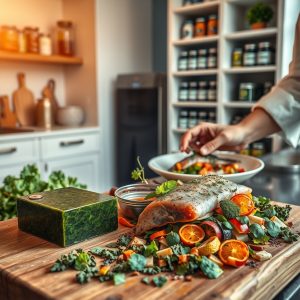
Take, for example, the resurgence of fermentation techniques, which have been used for centuries to preserve food and enhance flavor. Modern cooks are experimenting with kombucha, kimchi, and sourdough, not just for their probiotic benefits but as a way to connect with culinary traditions from around the world. Similarly, heirloom ingredients—like ancient grains or heritage breeds—are making a comeback, offering richer flavors and a deeper sense of history.
The kitchen of the future is a place where technology and tradition coexist, where efficiency meets mindfulness, and where personalization enhances creativity. It’s a space that adapts to the cook’s needs, whether that means leveraging real-time cooking analytics to perfect a dish or simply taking a moment to savor the aroma of freshly baked bread. As these innovations continue to unfold, one thing is clear: the art of cooking is becoming more intuitive, more inclusive, and more exciting than ever before. The thoughtful chef doesn’t just follow recipes—they craft experiences, one mindful, data-informed, and delicious step at a time.