The Soul of the Modern Kitchen: How Intuitive Culinary Experiences and Bespoke Meal Planning Are Redefining Home Cooking
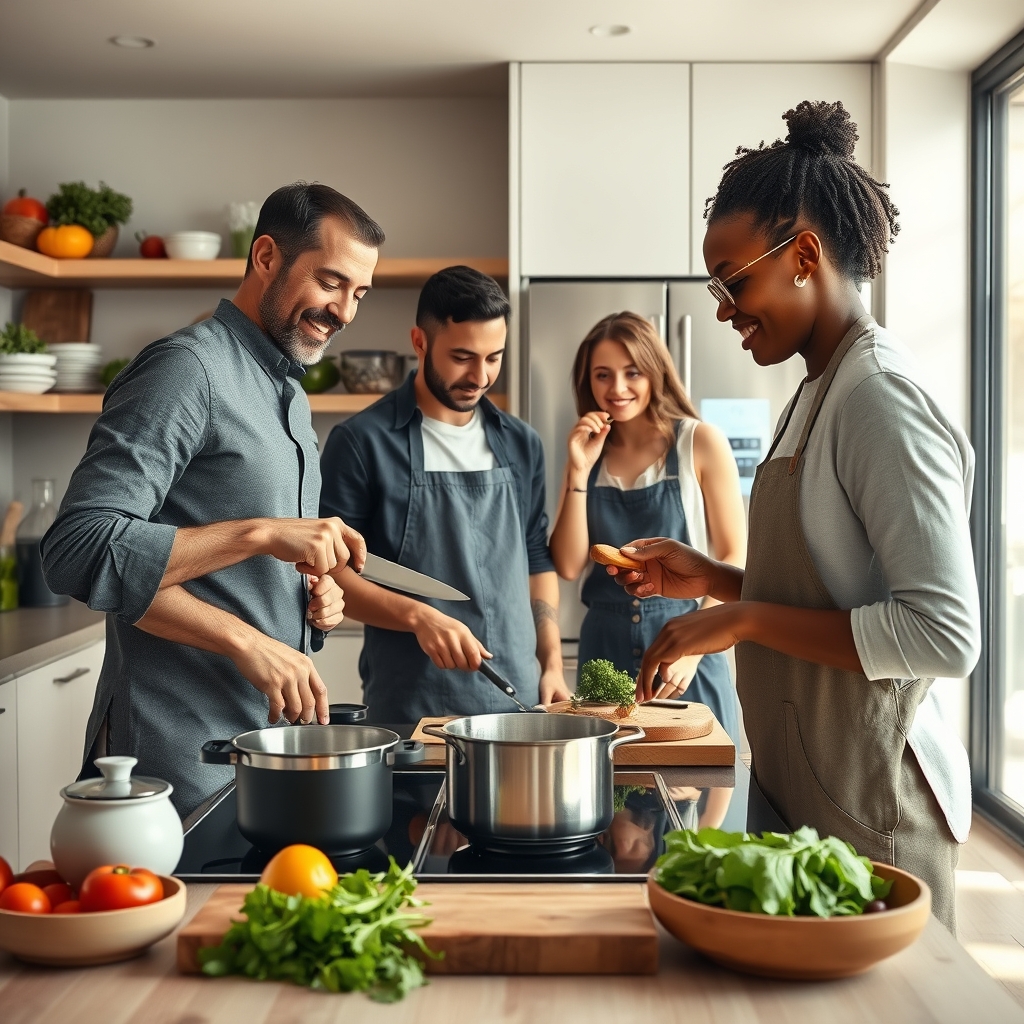
The kitchen has always been more than just a place to prepare meals—it’s a space of creativity, connection, and self-expression. Yet, as our lives grow busier and our palates more adventurous, the way we cook is evolving. No longer bound by rigid recipes or traditional methods, today’s home cooks are embracing a new era of culinary freedom, where intuition meets innovation, and every meal becomes a reflection of personal taste and lifestyle. This shift is not just about cooking; it’s about crafting experiences that nourish both body and soul.
The Rise of Intuitive Culinary Experiences
Cooking has long been considered both an art and a science, but the modern kitchen is increasingly becoming a space for intuitive exploration. Intuitive culinary experiences prioritize the cook’s instincts, allowing them to adapt techniques, flavors, and methods based on real-time feedback. This approach moves beyond following a recipe step-by-step and instead encourages a deeper connection with ingredients, textures, and aromas. For example, a cook might adjust the seasoning of a dish based on the scent of herbs simmering in a pan or the visual cues of caramelization on a seared piece of meat.
Technology plays a subtle but powerful role in this evolution. Smart kitchen tools, such as precision cookers and connected scales, provide real-time data without overshadowing the cook’s instincts. These tools act as silent partners, offering guidance when needed while still allowing the cook to lead the process. The result is a harmonious blend of human creativity and technological precision, where every meal feels uniquely tailored to the moment.
Sensory Techniques: The Heart of Intuitive Cooking
At the core of intuitive cooking lies a heightened awareness of the senses. Sensory cooking techniques encourage cooks to engage fully with their ingredients—listening to the sizzle of garlic in hot oil, feeling the texture of dough as it transforms under their hands, or tasting a sauce to determine its balance of acidity and sweetness. These techniques are not new, but their resurgence in modern kitchens reflects a growing desire to slow down and savor the process of cooking.
One way to cultivate this awareness is through mindful food preparation. This practice involves being fully present during each step of cooking, from chopping vegetables to stirring a pot. It’s about appreciating the colors, sounds, and smells that fill the kitchen and using them as guides. For instance, the sound of a knife slicing through a crisp bell pepper can signal its freshness, while the aroma of toasted spices can indicate when they’re ready to be added to a dish. By tuning into these sensory cues, cooks can develop a deeper understanding of their ingredients and create dishes that are rich in flavor and meaning.
The Art of Bespoke Meal Planning
While intuitive cooking focuses on the process, bespoke meal planning is all about the outcome—creating meals that perfectly align with an individual’s tastes, dietary needs, and lifestyle. This approach to meal planning goes beyond generic meal prep and instead tailors every aspect of a dish to the cook’s preferences. Whether it’s adjusting portion sizes, incorporating favorite flavors, or accommodating dietary restrictions, bespoke meal planning ensures that every meal feels personal and satisfying.
Technology has made bespoke meal planning more accessible than ever. Apps and platforms now use algorithms to analyze a user’s flavor preferences, nutritional goals, and cooking habits, then generate customized meal plans and recipes. For example, a meal planning app might suggest a spicy Thai curry for someone who loves bold flavors but adjust the recipe to include more vegetables if they’re focusing on a plant-based diet. This level of personalization takes the guesswork out of meal planning and makes it easier to create dishes that truly resonate with the cook.
Collaborative Recipe Development: A Community of Flavor
Bespoke meal planning doesn’t have to be a solitary endeavor. Collaborative recipe development is a growing trend that brings together cooks from around the world to share ideas, techniques, and flavor combinations. Online communities and social media platforms have become hubs for this exchange, where home cooks can experiment with new ingredients, adapt recipes to their tastes, and even co-create dishes with others. This collaborative approach not only expands culinary horizons but also fosters a sense of connection and shared creativity.
For example, a cook might start with a traditional Italian pasta recipe but adapt it by incorporating local ingredients or flavors inspired by another cuisine. They could then share their version online, where others might offer suggestions or try the recipe themselves, adding their own twists. This back-and-forth process results in dishes that are constantly evolving, reflecting the diverse tastes and experiences of the cooks who contribute to them. It’s a dynamic and inclusive way to explore the world of food, where every meal becomes a conversation.
Designing a Kitchen for Intuition and Creativity
The physical space of the kitchen also plays a crucial role in shaping intuitive culinary experiences and bespoke meal planning. Efficient kitchen design is about more than just aesthetics—it’s about creating an environment that supports creativity, efficiency, and comfort. A well-designed kitchen should be intuitive to navigate, with tools and ingredients easily accessible, and spaces that encourage experimentation and collaboration.
For instance, open shelving can make ingredients and cookware more visible, inspiring cooks to reach for them more often. A large, uncluttered countertop provides ample space for chopping, mixing, and tasting, while a well-organized pantry ensures that ingredients are always within reach. Lighting is another critical factor, as it can set the mood for cooking and highlight the colors and textures of ingredients. Natural light is ideal, but warm, adjustable lighting can create a cozy atmosphere for evening meals.
Incorporating technology into kitchen design can also enhance the cooking experience. Smart appliances, such as ovens with precise temperature controls or refrigerators with inventory tracking, can streamline the cooking process and reduce stress. However, it’s important to strike a balance—technology should support the cook’s intuition, not replace it. The goal is to create a kitchen that feels like a natural extension of the cook’s creativity, where every tool and space serves a purpose.
As we continue to redefine what it means to cook at home, the modern kitchen is becoming a place of endless possibility. It’s no longer just about following recipes or adhering to strict techniques; it’s about embracing a more intuitive, personalized, and creative approach to food. Whether through sensory cooking techniques, bespoke meal planning, or collaborative recipe development, today’s cooks are crafting meals that are as unique as they are. The kitchen is no longer just a room in the house—it’s a canvas for self-expression, a laboratory for experimentation, and a sanctuary for nourishment. And in this space, every meal becomes an opportunity to connect with ourselves, our loved ones, and the world around us.