The Golden Age of Hyper-Local: How Luxury Hotels Are Crafting Gourmet Menus with Foraged Elegance and Artisanal Mastery
In an era where culinary authenticity reigns supreme, luxury hotels are redefining gourmet dining by embracing the philosophy of hyper-local sourcing with unprecedented creativity. No longer confined to the traditional farm-to-table narrative, these establishments are forging deeper connections with their surroundings, transforming foraged ingredients, artisanal producers, and even urban micro-farms into the stars of their menus. The result? A dining experience that is as much about storytelling as it is about flavor—where every dish whispers the secrets of its origin.
The Foraged Revolution: Where Nature Meets the Plate
Foraging, once the domain of survivalists and herbalists, has found its way into the kitchens of some of the world’s most exclusive hotels. Chefs are venturing into nearby forests, coastlines, and meadows to harvest wild herbs, edible flowers, and rare mushrooms, infusing their dishes with flavors that are as ephemeral as they are extraordinary. At a boutique hotel in the Pacific Northwest, the executive chef collaborates with local foragers to source morel mushrooms in spring and chanterelles in autumn, crafting dishes that capture the essence of the season. These ingredients, often overlooked in conventional dining, bring a sense of discovery to the table, turning each meal into an adventure.
But foraging is just the beginning. Luxury hotels are also partnering with artisanal producers—beekeepers, cheesemongers, and heirloom grain farmers—to create menus that celebrate the craftsmanship behind every ingredient. A five-star property in Tuscany, for instance, sources its olive oil from a third-generation family farm, where the olives are pressed within hours of harvest to preserve their vibrant, peppery notes. This commitment to hyper-local sourcing not only elevates the dining experience but also fosters a sense of community, bridging the gap between the hotel and the land it inhabits.
The Art of the Artisanal: Crafting Menus with a Soul
Artisanal ingredients are the backbone of modern luxury hotel cuisine, and chefs are leveraging them to create dishes that are as visually stunning as they are delicious. Take, for example, the rise of small-batch charcuterie and handcrafted cheeses, which have become staples in boutique hotel dining. A rooftop lounge in Barcelona sources its cured meats from a local butcher who ages his jamón ibérico for three years, resulting in a depth of flavor that mass-produced alternatives simply cannot match. Similarly, a wellness-focused hotel in Switzerland collaborates with a nearby dairy to produce a limited-edition alpine cheese, which is then paired with house-made honey and wildflower pollen for an unforgettable amuse-bouche.
Beyond charcuterie and cheese, artisanal bread has also taken center stage. Hotels are ditching pre-packaged rolls in favor of sourdough loaves baked in-house or sourced from local bakeries. A luxury hotel in Paris, for instance, serves its breakfast pastries from a historic boulangerie just a few blocks away, ensuring that guests start their day with the authentic taste of the city. These small but meaningful touches transform a meal into a celebration of craftsmanship, where every bite tells a story.
The Urban Micro-Farm: Bringing the Farm to the City
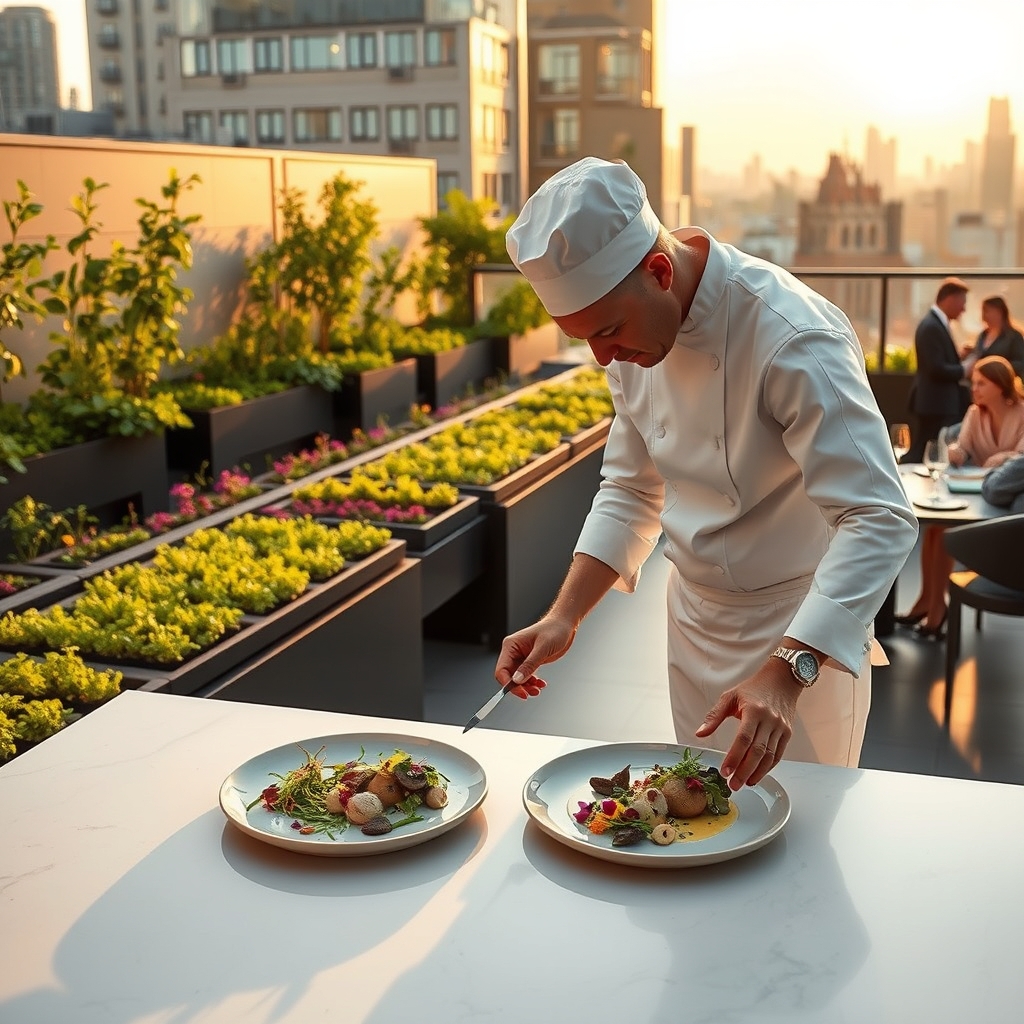
For hotels in urban settings, hyper-local sourcing presents a unique challenge—but also an opportunity for innovation. Enter the urban micro-farm, a growing trend that allows city-based properties to grow their own herbs, vegetables, and even edible flowers on-site. A five-star hotel in Singapore has transformed its rooftop into a lush garden, where chefs harvest basil, mint, and lemongrass for their cocktails and dishes. Meanwhile, a boutique hotel in New York City partners with a vertical farm in Brooklyn to source hydroponic greens, ensuring that salads are as fresh as they are flavorful.
These urban micro-farms are not just about sustainability; they’re about redefining the relationship between diners and their food. Guests can often tour the gardens, learning about the growing process and even participating in harvests. This hands-on approach fosters a deeper appreciation for the ingredients on their plates, turning a simple meal into an immersive experience. It’s a testament to how luxury hotels are blurring the lines between dining and education, creating moments that linger long after the last bite.
The Tasting Menu Reimagined: A Journey Through Terroir
At the heart of this hyper-local movement is the tasting menu, a culinary format that has evolved into a canvas for storytelling. Chefs are using these multi-course experiences to take diners on a journey through the region’s terroir, showcasing the unique flavors and traditions of the locale. A Michelin-starred restaurant in Napa Valley, for example, crafts its tasting menu around the concept of “vineyard to plate,” featuring dishes that highlight the grapes, herbs, and produce grown on the hotel’s estate. Each course is paired with a wine from the property’s vineyard, creating a harmonious symphony of flavors that celebrates the land’s bounty.
But it’s not just about the ingredients—it’s about the narrative. Chefs are increasingly incorporating elements of local culture and history into their tasting menus, whether it’s a dish inspired by a regional legend or a presentation that pays homage to traditional cooking techniques. A luxury hotel in Kyoto, for instance, offers a kaiseki-inspired tasting menu that reflects the seasons, with each course meticulously plated to evoke the beauty of nature. These menus are more than just meals; they’re works of art that capture the spirit of the destination.
The Future of Hyper-Local: Sustainability Meets Opulence
As the hyper-local movement continues to gain momentum, luxury hotels are finding innovative ways to balance sustainability with opulence. Zero-waste cooking techniques, such as nose-to-tail and root-to-stem dining, are becoming increasingly popular, allowing chefs to minimize food waste while maximizing flavor. A boutique hotel in Copenhagen, for example, has eliminated food waste entirely by repurposing scraps into stocks, sauces, and even desserts. Meanwhile, a five-star property in the Maldives sources its seafood from local fishermen who practice sustainable fishing methods, ensuring that the ocean’s resources are preserved for future generations.
This commitment to sustainability doesn’t come at the expense of luxury, however. Hotels are proving that eco-conscious dining can be just as indulgent as its traditional counterpart. From organic caviar sourced from sustainable sturgeon farms to truffle-infused dishes made with ethically harvested fungi, the options for gourmet, guilt-free dining are endless. It’s a new era of conscious indulgence, where every meal is a celebration of both the palate and the planet.
In this golden age of hyper-local dining, luxury hotels are not just serving food—they’re crafting experiences that connect diners to the land, the culture, and the community. Whether it’s through foraged ingredients, artisanal collaborations, or urban micro-farms, these establishments are redefining what it means to dine in style. The result is a culinary landscape where every meal is a masterpiece, and every bite is a testament to the power of place.