
The Next Wave of Nourishment: How Plant-Based Meat Alternatives, Functional Mushroom Beverages, and Cell-Cultured Innovations Are Redefining Modern Diets
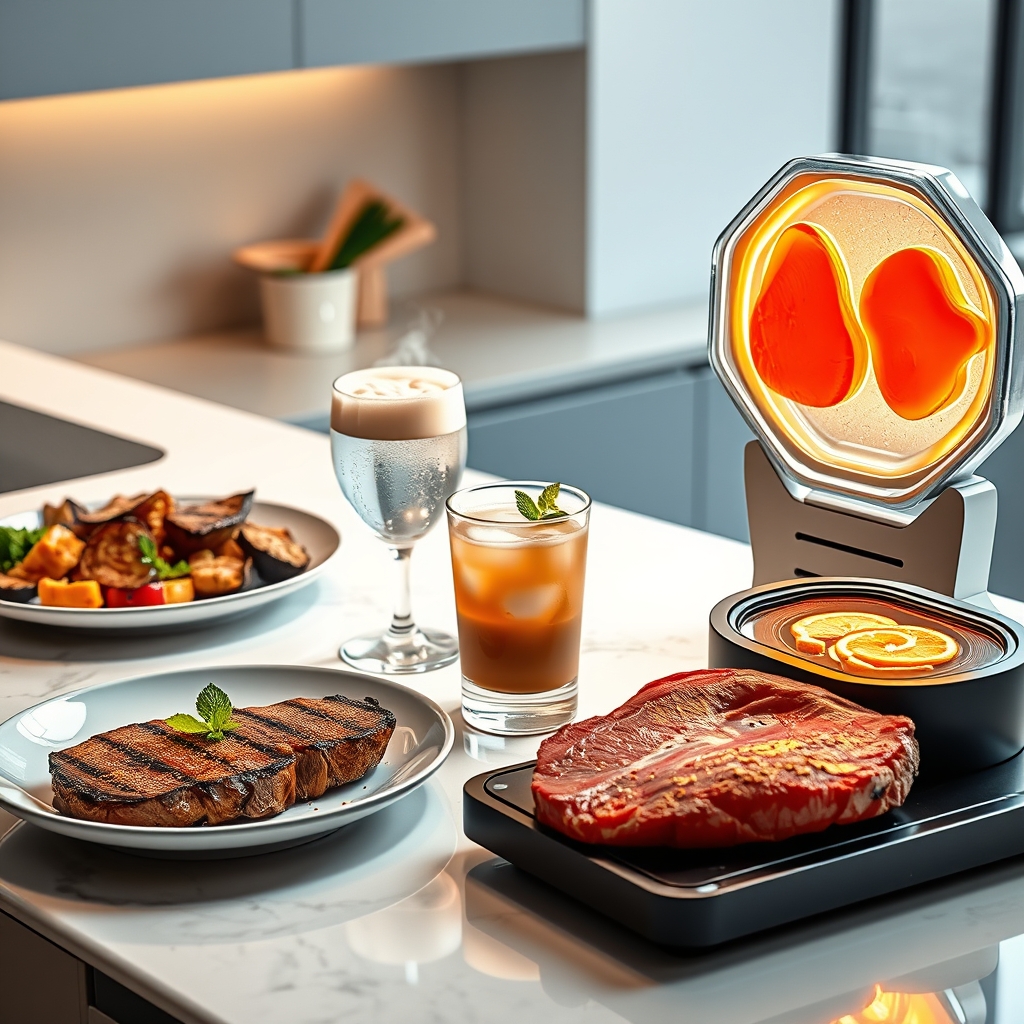
The culinary world is undergoing a seismic shift, driven by a growing awareness of health, sustainability, and innovation. As consumers demand more from their food—whether it’s nutritional benefits, ethical sourcing, or bold flavors—the industry is responding with groundbreaking alternatives that challenge traditional notions of what we eat and drink. This evolution isn’t just about replacing old favorites; it’s about reimagining them entirely, blending science, sustainability, and gastronomy in ways that were once unimaginable.
The Rise of Plant-Based Meat Alternatives: Beyond the Burger
Plant-based meat alternatives have moved far beyond the humble veggie burger. Today’s offerings are engineered to mimic the texture, taste, and even the sizzle of conventional meat, appealing to flexitarians and carnivores alike. Companies are leveraging advanced food science to create products that not only satisfy cravings but also deliver on protein content, iron, and other essential nutrients. Ingredients like pea protein, heme (a molecule found in soy leghemoglobin), and coconut oil are being combined in innovative ways to replicate the juiciness and umami of beef, chicken, and pork.
But the innovation doesn’t stop at burgers. Plant-based seafood, such as shrimp made from konjac and algae, or tuna crafted from tomatoes and seaweed, is gaining traction, offering a sustainable solution to overfishing. These alternatives are not just for those avoiding animal products; they’re for anyone looking to reduce their environmental footprint without sacrificing flavor or texture. The next frontier? Hybrid products that blend plant-based proteins with cell-cultured meat, offering a middle ground for those transitioning to more sustainable diets.
Functional Mushroom Beverages: The Elixirs of Modern Wellness
Mushrooms have long been revered in traditional medicine, but their modern incarnation is nothing short of revolutionary. Functional mushroom beverages—think adaptogenic coffee blends, reishi-infused lattes, and chaga hot chocolates—are transforming the way we think about hydration and wellness. These drinks are packed with bioactive compounds like beta-glucans, triterpenes, and antioxidants, which are believed to support immunity, reduce stress, and enhance cognitive function.
What makes these beverages particularly compelling is their versatility. They can be enjoyed as a morning pick-me-up, a midday energy boost, or an evening wind-down ritual. Brands are experimenting with flavors and formats, from sparkling mushroom tonics to creamy, barista-style mushroom lattes. The result is a category that feels both indulgent and nourishing, appealing to health-conscious consumers who refuse to compromise on taste.
The Science Behind the Magic
Functional mushrooms like lion’s mane, cordyceps, and turkey tail are being studied for their potential to support brain health, endurance, and gut microbiome balance. When extracted and infused into beverages, these mushrooms release their beneficial compounds in ways that are easily absorbed by the body. Unlike synthetic supplements, mushroom beverages offer a holistic approach to wellness, combining ancient wisdom with modern science.
Cell-Cultured Meat: The Future of Protein
If plant-based meat is the first wave of alternative proteins, cell-cultured meat is the next frontier. This technology involves growing real animal cells in a lab, producing meat that is biologically identical to conventional meat but without the environmental and ethical concerns associated with traditional livestock farming. The process begins with a small sample of animal cells, which are then nurtured in a nutrient-rich environment to multiply and form muscle tissue.
The potential of cell-cultured meat is staggering. It could drastically reduce greenhouse gas emissions, land use, and water consumption compared to conventional meat production. Early prototypes, like lab-grown chicken nuggets and beef burgers, have already hit select markets, with regulatory approvals paving the way for broader adoption. While challenges remain—such as scaling production and reducing costs—the momentum behind cell-cultured meat is undeniable.
A New Era of Ethical Eating
For consumers, cell-cultured meat offers a guilt-free way to enjoy the flavors and textures of meat without contributing to animal suffering or environmental degradation. It’s a solution that aligns with the values of a new generation of eaters who prioritize transparency, sustainability, and innovation. As the technology matures, we can expect to see cell-cultured seafood, poultry, and even exotic meats like venison or duck entering the market, further expanding the possibilities of what we can eat.
The Intersection of Innovation and Flavor
What ties these trends together is a shared commitment to pushing the boundaries of what food can be. Whether it’s the umami-rich depth of a plant-based steak, the earthy complexity of a mushroom latte, or the familiar sizzle of a cell-cultured burger, these innovations are designed to delight the senses while addressing the pressing challenges of our time. They represent a future where food is not just fuel, but a source of joy, health, and connection to the planet.
As these trends continue to evolve, they will undoubtedly shape the way we eat, drink, and think about food. The question is no longer whether we can create sustainable, nutritious, and delicious alternatives—it’s how far we can take them. The next wave of nourishment is here, and it’s more exciting than ever.