Immersive Culinary Education: Redefining the Art of Cooking
In the ever-evolving landscape of culinary arts, the traditional methods of teaching and learning are being redefined. The concept of immersive culinary education is gaining traction, offering a holistic approach to cooking that goes beyond mere recipes and techniques. This innovative method integrates sensory experiences, personalized learning, and interactive workshops to create a comprehensive culinary education experience.
Sensory Cooking Techniques
At the heart of immersive culinary education are sensory cooking techniques. These methods emphasize the importance of taste, smell, texture, and temperature in the cooking process. Students are encouraged to engage all their senses, from the initial sourcing of ingredients to the final plating of the dish. This approach not only enhances the cooking experience but also deepens the understanding and appreciation of food.
Personalized Flavor Profiling
One of the key components of sensory cooking techniques is personalized flavor profiling. This involves creating a detailed profile of a student’s taste preferences and dislikes. By understanding these preferences, instructors can tailor their lessons to better suit the individual, making the learning process more engaging and effective. For instance, a student who dislikes spicy foods can be introduced to milder versions of dishes, gradually building up their tolerance and appreciation for spicier flavors.
Interactive Kitchen Workshops
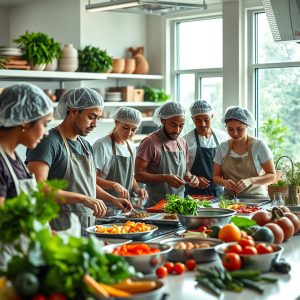
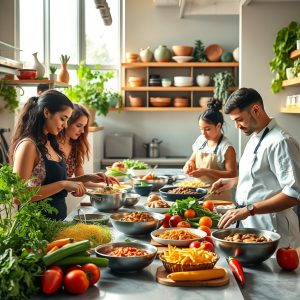
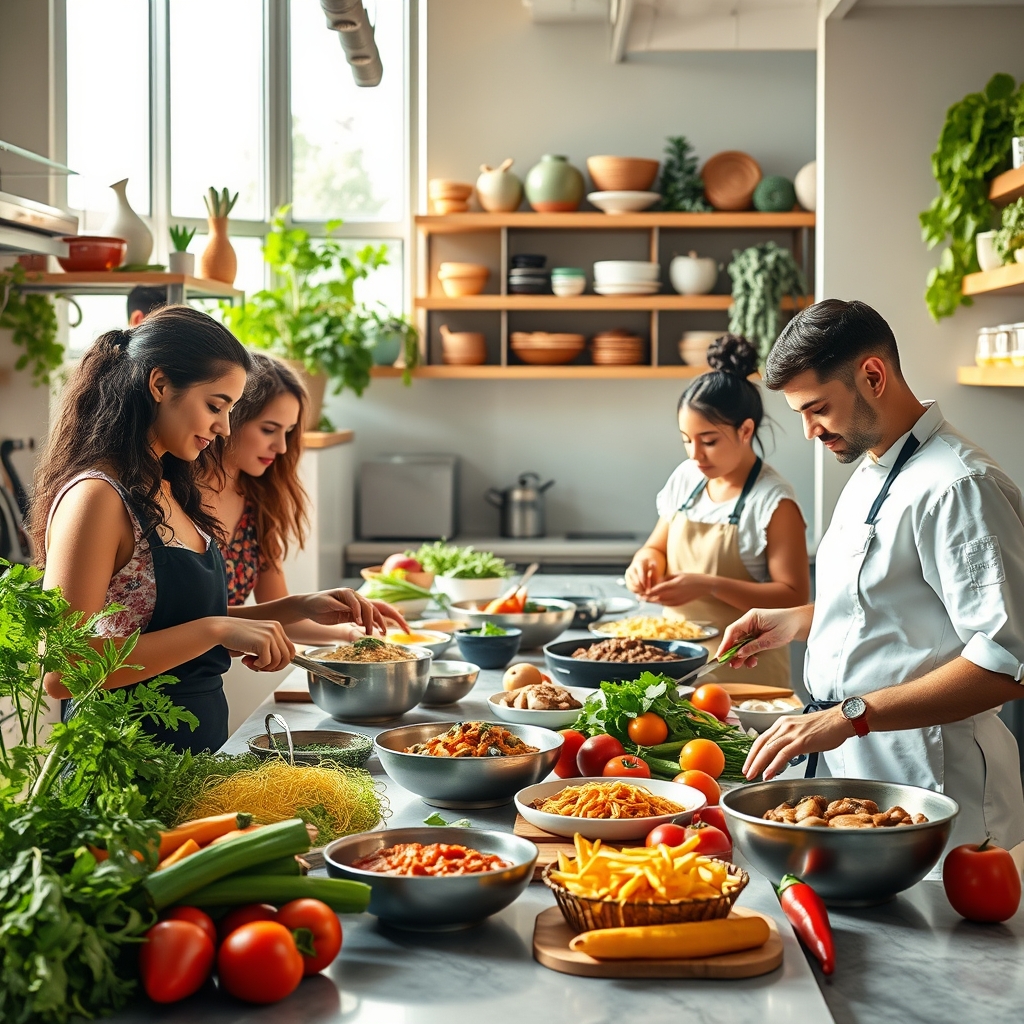
Interactive kitchen workshops are another cornerstone of immersive culinary education. These workshops provide a hands-on learning environment where students can experiment with different ingredients, techniques, and flavors. The interactive nature of these workshops encourages collaboration and creativity, allowing students to develop their own unique culinary styles.
Sustainable Ingredient Sourcing
In addition to enhancing the cooking experience, interactive kitchen workshops also focus on sustainable ingredient sourcing. Students learn about the importance of using locally sourced, organic, and ethically produced ingredients. This not only supports local farmers and producers but also reduces the environmental impact of food production. By incorporating sustainable practices into their cooking, students can contribute to a more eco-friendly food system.
Tech-Assisted Precision Cooking
The integration of technology in culinary education is revolutionizing the way we approach cooking. Tech-assisted precision cooking involves the use of advanced tools and software to enhance the cooking process. From smart ovens and thermometers to data-driven nutrition tracking apps, these technologies provide valuable insights and help students achieve precise results.
Collaborative Recipe Development
Collaborative recipe development is another area where technology plays a crucial role. Students can work together to create and refine recipes, using digital platforms to share ideas, provide feedback, and track progress. This collaborative approach not only fosters teamwork and creativity but also allows for the development of innovative and unique dishes.
Experiential Gastronomy Methods
Experiential gastronomy methods take immersive culinary education to the next level by incorporating real-world experiences into the learning process. Students have the opportunity to participate in cooking classes, food festivals, and culinary tours, gaining firsthand exposure to different cuisines and cooking styles. These experiences not only broaden their culinary horizons but also provide valuable insights into the cultural and historical context of food.
Cultural Culinary Preservation
One of the key benefits of experiential gastronomy methods is the preservation of cultural culinary traditions. By learning from master chefs and experiencing different cooking techniques, students can gain a deeper appreciation for the diversity of global cuisines. This not only enriches their culinary skills but also fosters a greater understanding and respect for different cultures.
In conclusion, immersive culinary education is transforming the way we approach cooking and learning. By integrating sensory experiences, personalized learning, interactive workshops, and technology, this innovative method offers a comprehensive and engaging culinary education experience. Whether you’re a beginner or a seasoned chef, immersive culinary education provides the tools and knowledge needed to elevate your cooking skills and create delicious, memorable dishes.