Elevating Culinary Education: The Future of Immersive and Interactive Cooking
In the ever-evolving landscape of culinary education, the traditional methods of teaching cooking are being transformed by innovative approaches that prioritize immersion, interactivity, and personalization. The fusion of technology, sensory science, and collaborative learning is revolutionizing the way we approach cooking, making it more engaging, efficient, and tailored to individual needs.
Immersive Culinary Education
Immersive culinary education is a paradigm shift in how we learn to cook. This approach goes beyond the conventional classroom setting, offering students a fully immersive experience that engages all their senses. From the moment they step into the kitchen, students are enveloped in a world of flavors, textures, and aromas that stimulate their senses and spark their creativity.
Sensory Cooking Techniques
At the heart of immersive culinary education are sensory cooking techniques. These methods encourage students to focus on the tactile and gustatory aspects of cooking, rather than just following a recipe. By exploring the textures, temperatures, and aromas of ingredients, students develop a deeper appreciation for the culinary arts and gain valuable insights into the science of food.
Personalized Flavor Profiling
Personalized flavor profiling is another key aspect of immersive culinary education. This approach involves analyzing an individual’s unique taste preferences and creating a customized cooking experience that caters to their specific palate. By understanding the nuances of an individual’s flavor preferences, culinary educators can tailor their lessons to help students discover new dishes and ingredients that they might not have otherwise explored.
Interactive Kitchen Workshops
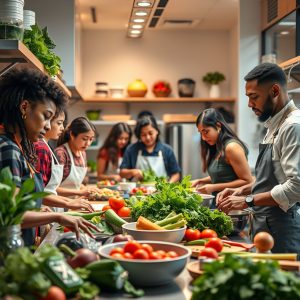
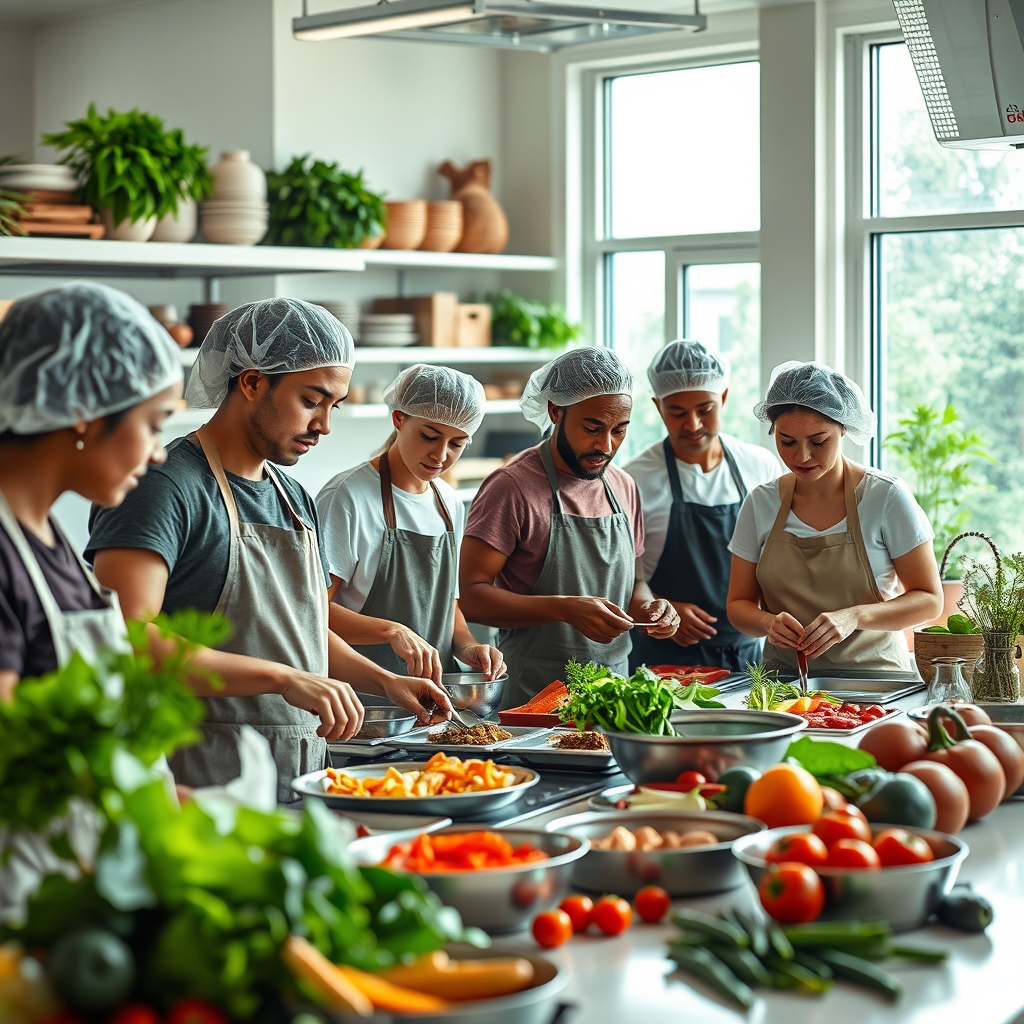
Interactive kitchen workshops are a cornerstone of immersive culinary education. These workshops provide students with hands-on experience in a collaborative setting, where they can learn from each other and from expert chefs. Through interactive cooking sessions, students develop essential culinary skills, such as knife skills, cooking techniques, and ingredient selection, while also fostering a sense of community and camaraderie.
Sustainable Ingredient Sourcing
In today’s world, sustainability is a critical consideration in culinary education. Immersive programs are increasingly incorporating sustainable ingredient sourcing into their curriculum, teaching students about the environmental impact of their food choices and how they can make more eco-friendly decisions. By learning about the origins of their ingredients and the sustainable practices of local farmers and producers, students can develop a deeper appreciation for the food they eat and a greater commitment to reducing their carbon footprint.
Tech-Assisted Precision Cooking
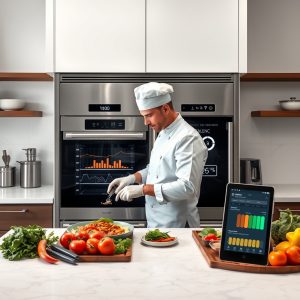
Technology is playing an increasingly important role in culinary education, with tech-assisted precision cooking tools and apps enabling students to achieve more accurate and consistent results. From smart kitchen scales and thermometers to advanced cooking software and virtual reality simulations, these tools provide students with the resources they need to refine their skills and take their cooking to the next level.
Collaborative Recipe Development
Collaborative recipe development is another innovative approach to culinary education, encouraging students to work together to create new and exciting dishes. By pooling their collective knowledge and creativity, students can develop unique recipes that reflect their shared experiences and perspectives. This collaborative process not only fosters a sense of teamwork and camaraderie but also encourages students to think outside the box and explore new culinary possibilities.
Mindful Food Preparation
Mindful food preparation is a growing trend in culinary education, with programs emphasizing the importance of slow cooking, seasonal ingredients, and sustainable practices. By encouraging students to take their time in the kitchen and appreciate the process of food preparation, these programs help students develop a deeper connection to their food and a greater appreciation for the efforts of those who grow and prepare it.
In conclusion, the future of culinary education is bright, with immersive and interactive approaches transforming the way we learn to cook. By prioritizing immersion, interactivity, and personalization, these programs are empowering students to develop their culinary skills, discover new flavors, and make a positive impact on the world around them. As we continue to embrace the innovations of the culinary world, let us not forget the importance of tradition and the rich cultural heritage that has shaped our food and our lives.