The Alchemy of Upcycled Eats: How Zero-Waste Cooking and Fermented Probiotic Drinks Are Crafting a Flavorful Future
Imagine a world where every bite you take not only delights your palate but also nurtures the planet. This is the promise of upcycled food snacks and zero-waste cooking—a movement that transforms what was once considered waste into culinary gold. From vegetable peels repurposed into crispy chips to spent grain from breweries turned into protein-rich flour, the art of upcycling is redefining sustainability in the kitchen. These innovations are not just about reducing food waste; they’re about unlocking new dimensions of flavor and texture that challenge our perceptions of what food can be.
The Rise of Upcycled Food Snacks
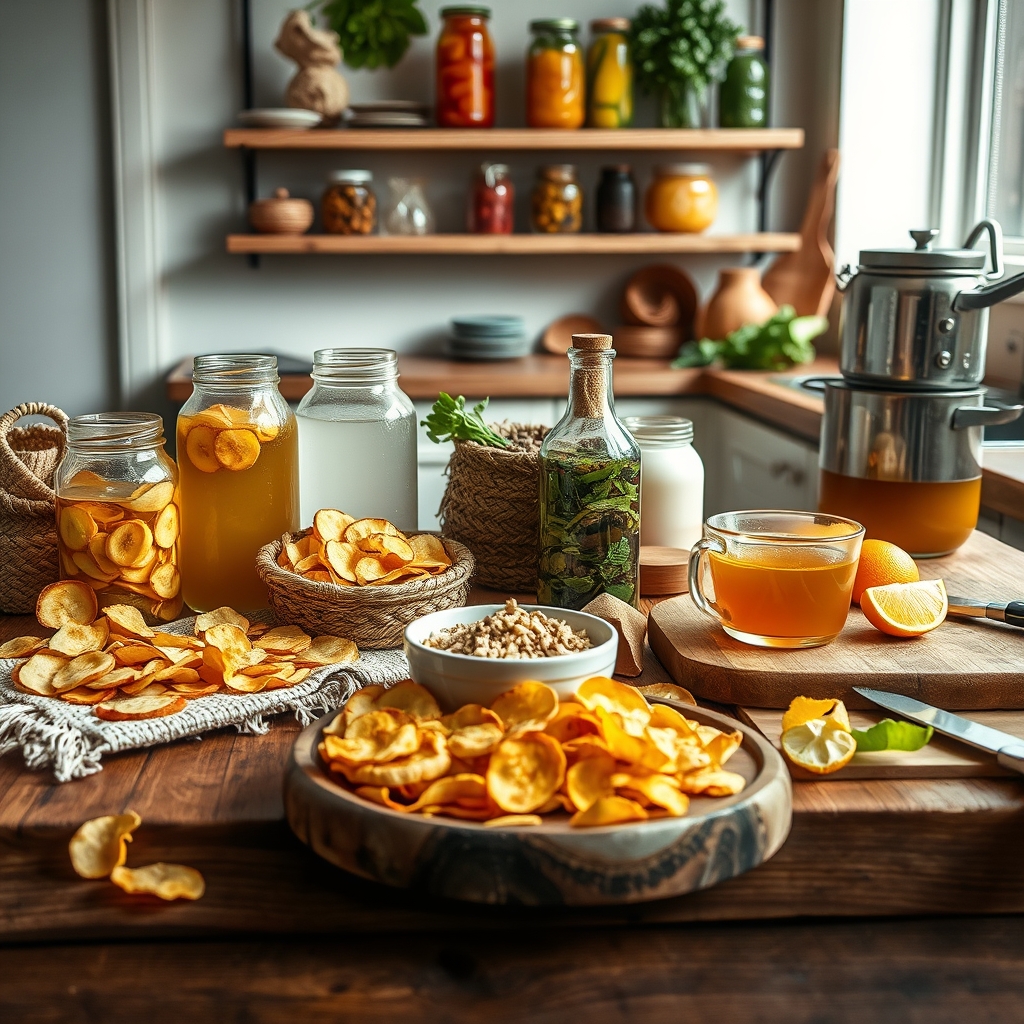
Upcycled food snacks are at the forefront of this revolution, turning byproducts of food production into delicious, nutrient-dense treats. Take, for example, the humble banana peel. Often discarded without a second thought, these peels are now being transformed into chewy, sweet snacks that rival traditional fruit leathers. Similarly, coffee cherry pulp—a byproduct of coffee production—is being dried and ground into a flour that’s rich in antioxidants and fiber, perfect for baking or adding to smoothies. These snacks are not just eco-friendly; they’re packed with flavors and nutrients that make them a guilt-free indulgence.
Brands like ReGrained and Barnana are leading the charge, proving that upcycled ingredients can be just as delicious as their conventional counterparts. ReGrained, for instance, uses spent grain from beer brewing to create supergrain flour, which is then used to make everything from crackers to pasta. Meanwhile, Barnana takes imperfect bananas that would otherwise go to waste and turns them into plantain chips and banana bites. These products are a testament to the creativity and ingenuity driving the upcycled food movement.
Zero-Waste Cooking: A Culinary Philosophy
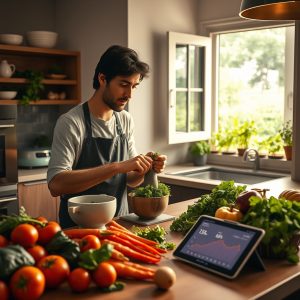
Zero-waste cooking takes the principles of upcycling a step further by applying them to every aspect of meal preparation. It’s a philosophy that encourages us to use every part of an ingredient, from root to stem, and to find creative ways to repurpose leftovers. This approach not only reduces food waste but also inspires a deeper connection to the food we eat. Imagine turning carrot tops into a vibrant pesto, or using citrus peels to infuse vinegar for a tangy dressing. These techniques are not just sustainable; they’re a celebration of flavor and resourcefulness.
Chefs and home cooks alike are embracing zero-waste cooking as a way to minimize their environmental impact while maximizing creativity. Restaurants like Silo in London and Rhoda in Copenhagen have built their menus around this philosophy, proving that zero-waste dining can be both elegant and delicious. At home, simple swaps—like using vegetable scraps to make broth or transforming stale bread into croutons—can make a significant difference in reducing waste. The key is to see potential in every ingredient, no matter how small or seemingly insignificant.
The Magic of Fermented Probiotic Drinks
Fermented probiotic drinks are another cornerstone of the zero-waste and upcycled food movement. These beverages, which include everything from kombucha to water kefir, are not only packed with gut-friendly bacteria but are also a fantastic way to use up leftover fruits and vegetables. The fermentation process transforms simple ingredients into complex, tangy flavors that are as nourishing as they are refreshing. Plus, the byproducts of fermentation—like SCOBY (symbiotic culture of bacteria and yeast) in kombucha—can be repurposed into everything from vegan leather to facial masks, further reducing waste.
Brands like Health-Ade and GT’s Living Foods have popularized kombucha, making it a staple in health-conscious households. But the world of fermented drinks extends far beyond kombucha. Water kefir, for example, is a lightly effervescent drink made from kefir grains and sweetened water, often flavored with fresh or upcycled fruits. Jun tea, a cousin of kombucha, is made with green tea and honey, offering a smoother, more delicate flavor. These drinks are not just a trend; they’re a return to ancient traditions of preserving food and enhancing its nutritional value.
Brewing a Better Future with Adaptogenic Coffee Blends
While fermented drinks are making waves, adaptogenic coffee blends are carving out their own niche in the world of functional beverages. These blends combine the rich, bold flavors of coffee with adaptogenic herbs like ashwagandha, reishi, and rhodiola, which are known for their stress-relieving and energy-boosting properties. The result is a cup of coffee that not only wakes you up but also helps your body adapt to the demands of modern life. And with the rise of upcycled coffee products—like those made from coffee cherry pulp—these blends are becoming even more sustainable.
Brands like Four Sigmatic and Rasa are leading the charge in adaptogenic coffee, offering blends that cater to a variety of needs, from focus and energy to relaxation and immunity. These beverages are perfect for those who want to enjoy their daily caffeine fix without the jitters or crash. Plus, they’re a great way to incorporate the benefits of adaptogens into your routine without sacrificing flavor or convenience.
The Future of Flavor: Where Upcycling Meets Innovation
The intersection of upcycled food snacks, zero-waste cooking, and fermented probiotic drinks is where the future of flavor truly lies. This is a space where creativity knows no bounds, and where every ingredient—no matter how humble—has the potential to become something extraordinary. As more people embrace these practices, we’re not just reducing waste; we’re redefining what it means to eat well. Whether it’s a crispy snack made from banana peels or a tangy kombucha brewed from upcycled fruits, these innovations are proof that sustainability and deliciousness can go hand in hand.
What’s even more exciting is that this movement is just getting started. As technology and culinary techniques continue to evolve, we can expect to see even more inventive ways to turn waste into wonder. From lab-grown meat alternatives to algae-based proteins, the possibilities are endless. But at the heart of it all is a simple idea: that food should nourish not just our bodies, but the planet we call home. And with every bite and sip, we’re one step closer to making that idea a reality.