The Hidden Luxury of Hyper-Intimate Dining: How Boutique Hotels Are Crafting Exclusive Culinary Sanctuaries
In an era where luxury is increasingly defined by exclusivity and personalization, boutique hotels are redefining the fine dining experience by transforming their restaurants into hyper-intimate culinary sanctuaries. These spaces are not merely places to eat—they are carefully curated environments where every detail, from the table setting to the chef’s interaction, is designed to create a sense of belonging and bespoke indulgence. Unlike the grandeur of traditional five-star hotel dining, these experiences prioritize connection, storytelling, and a deep reverence for the ingredients that grace the plate.
The Rise of the Chef’s Table as a Culinary Confessional
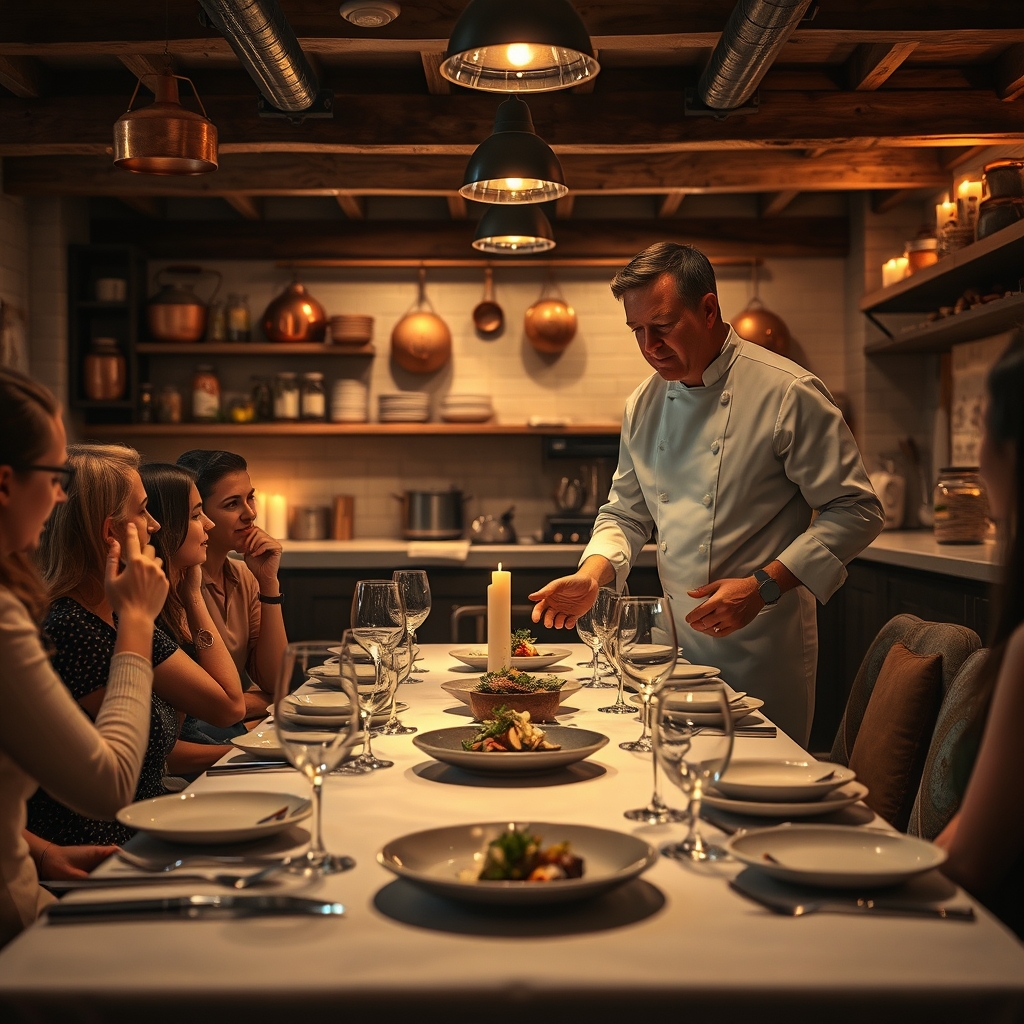
At the heart of this movement is the chef’s table—a concept that has evolved from a mere seating arrangement into a full-fledged culinary confessional. In boutique hotels, these tables are often tucked away in open kitchens or private dining nooks, offering guests an unfiltered view of the culinary magic unfolding before them. The experience is less about performance and more about intimacy, where chefs engage in real-time conversations with diners, explaining the provenance of each ingredient, the inspiration behind a dish, or even sharing personal anecdotes that tie the meal to a specific place or memory.
Take, for example, the chef’s table at a boutique hotel in Tuscany, where the chef sources truffles from a nearby forest and olive oil from a family-owned grove just miles away. Here, the meal becomes a dialogue, with the chef adjusting dishes based on the diner’s preferences or even inviting them to participate in the final touches of a dish. This level of engagement transforms dining from a passive activity into an immersive journey, where the guest is not just an observer but an active participant in the creation of the meal.
The Art of the Hyper-Local Tasting Menu: A Love Letter to Terroir
Boutique hotels are also leading the charge in redefining the tasting menu by grounding it in hyper-local terroir. Unlike traditional tasting menus that might showcase a chef’s technical prowess with global influences, these experiences are deeply rooted in the immediate surroundings. The menu becomes a love letter to the region, with each course telling a story of the land, the people, and the traditions that shape it.
In a coastal boutique hotel in Portugal, the tasting menu might begin with a delicate amuse-bouche of percebes (gooseneck barnacles) harvested that morning from the nearby cliffs, followed by a course of line-caught sea bass served with seaweed-infused butter and foraged coastal herbs. The wine pairings, too, are hyper-local, featuring bottles from a nearby vineyard that has been cultivating grapes for generations. This approach not only elevates the dining experience but also fosters a deeper connection between the guest and the destination, turning a meal into a form of culinary tourism.
Sustainability as the Silent Guest at the Table
What sets these hyper-intimate dining experiences apart is their unwavering commitment to sustainability, which is seamlessly woven into the fabric of the meal. Boutique hotels are increasingly adopting a zero-waste philosophy, where every part of an ingredient is utilized, and nothing is discarded without purpose. This might mean turning vegetable peels into crisps for garnish, using fish bones to create rich stocks, or even repurposing leftover bread into a dessert component.
At a boutique hotel in Scandinavia, the chef has partnered with local farmers to create a closed-loop system where the hotel’s food waste is composted and returned to the farms that supply its ingredients. The result is a menu that feels both luxurious and responsible, where the act of dining becomes a celebration of the earth’s bounty rather than an exploitation of it. This approach resonates deeply with modern diners, who are increasingly seeking experiences that align with their values without compromising on indulgence.
The Future of In-Room Dining: A Private Culinary Stage
While the chef’s table and tasting menu experiences are captivating, boutique hotels are also reimagining in-room dining as a private culinary stage. Gone are the days of generic room service menus and lukewarm dishes delivered on clunky trays. Instead, guests are treated to bespoke menus that reflect the hotel’s culinary philosophy, served on elegant tableware with the same attention to detail as the hotel’s restaurant.
At a luxury boutique hotel in Kyoto, in-room dining is elevated to an art form. Guests can choose from a selection of kaiseki-inspired menus, where each course is presented in a lacquered bento box and accompanied by a handwritten note from the chef explaining the significance of the dish. The experience is further personalized with the option to add a private tea ceremony or a sake tasting, turning a simple meal into a cultural immersion. This level of thoughtfulness transforms in-room dining from a convenience into a highlight of the stay, proving that luxury is not just about what is served but how it is experienced.
The Power of Small Plates and Shared Moments
Another trend shaping hyper-intimate dining in boutique hotels is the shift toward small plates and shared dining experiences. Inspired by the conviviality of tapas bars and izakayas, these menus encourage guests to linger over their meal, sampling a variety of dishes that showcase the chef’s creativity and the region’s flavors. The emphasis is on quality over quantity, with each plate designed to be a masterpiece in miniature.
In a boutique hotel in Barcelona, the restaurant offers a “menu de degustación para compartir,” where guests are presented with a selection of small plates meant to be shared among the table. The experience is interactive, with the chef often stopping by to recommend pairings or suggest the order in which the dishes should be enjoyed. This approach not only fosters a sense of community but also allows diners to explore a wider range of flavors and textures, making the meal feel like a journey rather than a destination.
The allure of hyper-intimate dining lies in its ability to make guests feel seen, heard, and deeply connected to the experience. In a world where luxury is often equated with scale and spectacle, boutique hotels are proving that true indulgence lies in the details—the quiet conversation with the chef, the story behind each ingredient, the sense of being part of something rare and exclusive. These experiences are not just about feeding the body but nourishing the soul, offering a reminder that the most memorable meals are those that engage all the senses and leave a lasting impression long after the last bite has been savored.