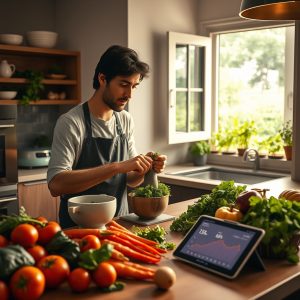
The Alchemy of Modern Gastronomy: How Zero-Waste Cooking, Algae-Based Proteins, and Gourmet Tinned Fish Are Crafting a Bold New Culinary Era
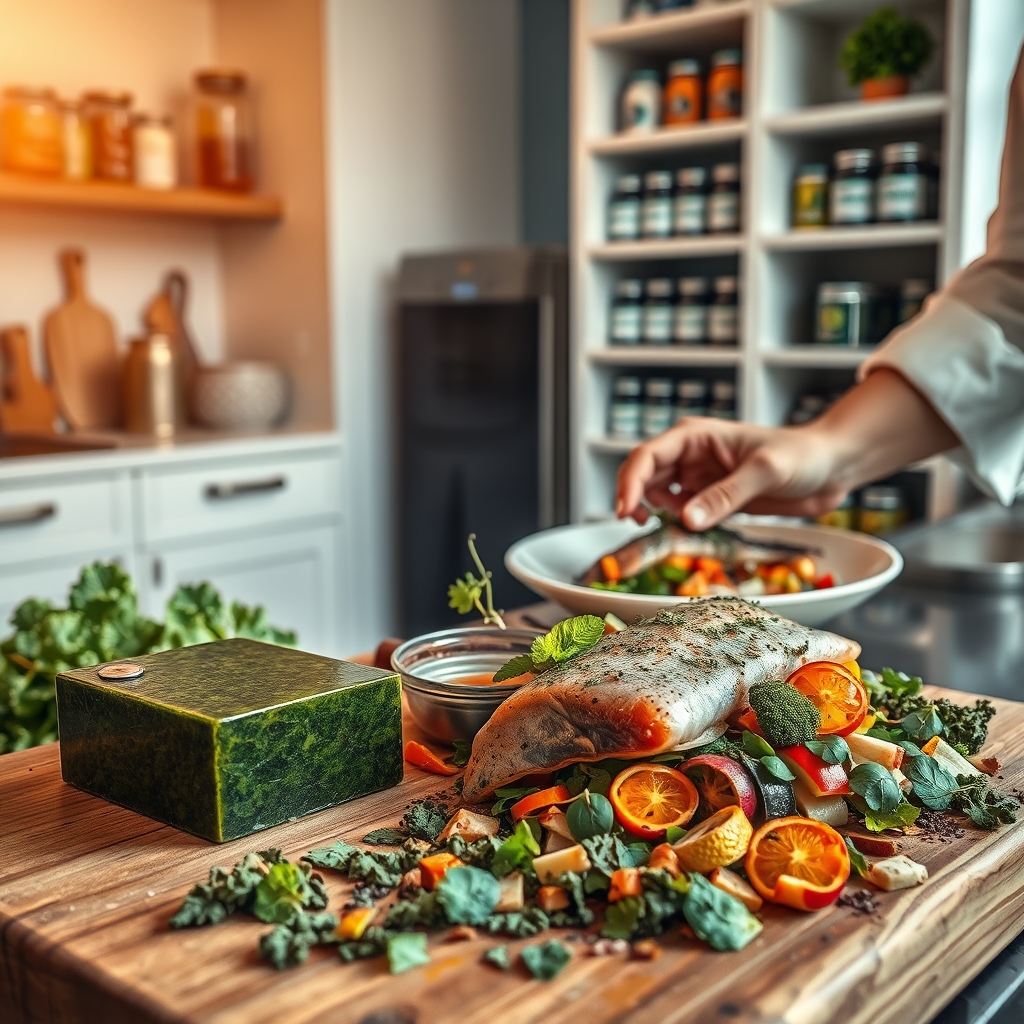
The culinary world is undergoing a transformation so profound that it feels like alchemy—where science, sustainability, and flavor collide to create something entirely new. At the heart of this revolution are ingredients and techniques that challenge our perceptions of what food can be. From the ocean’s depths to the lab’s sterile confines, innovation is redefining how we eat, one bite at a time.
The Rise of Algae-Based Proteins: A Sustainable Superfood
Algae, once relegated to the realm of pond scum, has emerged as one of the most promising solutions to the global protein crisis. Packed with essential amino acids, omega-3 fatty acids, and a minimal environmental footprint, algae-based proteins are making their way into everything from plant-based burgers to high-protein pasta. Companies like Sophie’s Bionutrients and Algenuity are pioneering the use of microalgae to create ingredients that are not only nutritious but also remarkably versatile. Imagine a future where your morning smoothie is powered by spirulina, or your favorite snack bar derives its protein from chlorella—this is no longer the stuff of science fiction, but a tangible reality.
The beauty of algae lies in its efficiency. Unlike traditional livestock farming, which requires vast amounts of land, water, and feed, algae can be cultivated in vertical farms or even in controlled lab environments, producing exponentially more protein per square meter. It’s a game-changer for a planet grappling with climate change and food insecurity, offering a scalable solution that doesn’t compromise on nutrition or taste.
Gourmet Tinned Fish: The Unsung Hero of Sustainable Luxury
Tinned fish has long been a pantry staple, but in recent years, it has undergone a gourmet renaissance. No longer confined to the humble sardine or mackerel, today’s tinned fish offerings include everything from smoked trout with lemon and dill to octopus in olive oil and paprika. Brands like Fishwife, Wildfish, and Conservas de Cambados are elevating tinned fish to a level of sophistication that rivals fine dining, all while championing sustainability.
The appeal of gourmet tinned fish extends beyond its convenience. Many of these products are sourced from small-scale fisheries that prioritize responsible fishing practices, ensuring that marine ecosystems remain healthy and vibrant. Additionally, tinned fish has a remarkably low carbon footprint compared to fresh seafood, which often requires energy-intensive transportation and refrigeration. It’s a win-win for both the planet and the palate, offering a delicious and guilt-free way to enjoy the ocean’s bounty.
The Art of Zero-Waste Cooking: Turning Scraps into Culinary Gold
Zero-waste cooking is more than just a trend—it’s a philosophy that challenges us to rethink our relationship with food. At its core, it’s about minimizing waste by using every part of an ingredient, from root to stem. This approach not only reduces our environmental impact but also unlocks a world of creative possibilities in the kitchen. Think carrot-top pesto, watermelon rind pickles, or broccoli-stem slaw—dishes that transform what was once discarded into something extraordinary.
Chefs and home cooks alike are embracing zero-waste techniques, inspired by traditions from around the world. In Japan, okara—the pulp left over from making soy milk—is used in everything from soups to desserts. In Italy, acqua pazza, a simple fish stew, is made using the heads and bones of fish to create a rich, flavorful broth. These practices not only reduce waste but also add depth and complexity to dishes, proving that sustainability and flavor go hand in hand.
The Fusion of Tradition and Innovation
What makes this culinary revolution so exciting is the way it blends time-honored traditions with cutting-edge innovation. Take fermented probiotic drinks, for example. While fermentation has been used for centuries to preserve food and enhance flavor, modern science has unlocked its potential as a powerhouse for gut health. Today, beverages like kombucha, water kefir, and jun are celebrated not only for their tangy, effervescent taste but also for their ability to support digestion and boost immunity.
Similarly, molecular gastronomy—a discipline that applies scientific principles to cooking—has given rise to dishes that are as visually stunning as they are delicious. From spherified olive oil to edible foams, these techniques push the boundaries of what’s possible in the kitchen, creating experiences that engage all the senses. Yet, even as we embrace these futuristic methods, we’re also rediscovering the wisdom of the past, whether it’s the use of adaptogenic herbs in coffee blends or the revival of ancient grains in modern diets.
The Future of Flavor: Where Do We Go From Here?
As we look to the future, one thing is clear: the culinary landscape will continue to evolve, driven by a desire for sustainability, innovation, and flavor. Algae-based proteins will become more mainstream, gourmet tinned fish will grace the tables of fine-dining restaurants, and zero-waste cooking will inspire a new generation of chefs to think creatively about every ingredient. We’re entering an era where food is not just sustenance, but a powerful force for change—a way to nourish our bodies, protect the planet, and delight our taste buds all at once.
The alchemy of modern gastronomy is not just about creating new dishes; it’s about reimagining our entire food system. It’s a movement that invites us to question, explore, and ultimately, savor the possibilities. Whether it’s a bowl of algae-powered pasta, a tin of sustainably sourced octopus, or a dish crafted from ingredients that would have otherwise been discarded, each bite is a step toward a more delicious and sustainable future. The kitchen has always been a place of transformation, but never before has it held so much promise for the world beyond its walls.