Transforming Culinary Education: Embracing Immersive and Interactive Techniques
In the ever-evolving landscape of culinary education, the traditional methods of teaching cooking are being revolutionized by immersive and interactive techniques. These innovative approaches not only enhance the learning experience but also foster a deeper appreciation for the art and science of cooking. By incorporating sensory cooking techniques, personalized flavor profiling, and collaborative recipe development, culinary education is becoming more engaging and effective.
Immersive Culinary Education
Immersive culinary education is a transformative approach that takes learners beyond the confines of a textbook or recipe book. It involves creating a multi-sensory experience that engages all the senses, from sight and sound to taste and touch. This holistic approach to learning helps students develop a deeper understanding and appreciation for the ingredients, techniques, and cultural significance of the dishes they are preparing.
Sensory Cooking Techniques
Sensory cooking techniques are at the heart of immersive culinary education. By focusing on the sensory aspects of cooking, learners can develop a more intuitive understanding of flavors, textures, and aromas. Techniques such as taste testing, smell analysis, and texture evaluation help students become more attuned to the nuances of different ingredients and cooking methods. This not only enhances their culinary skills but also fosters a greater respect for the ingredients and the cooking process.
Personalized Flavor Profiling
Personalized flavor profiling is another key component of immersive culinary education. By creating individual flavor profiles, students can better understand their own taste preferences and how they interact with different ingredients. This personalized approach to flavor profiling helps students develop a more intuitive understanding of how to create dishes that are tailored to their own tastes and preferences. It also encourages creativity and experimentation in the kitchen, as students are able to explore new flavor combinations and techniques.
Interactive Kitchen Workshops
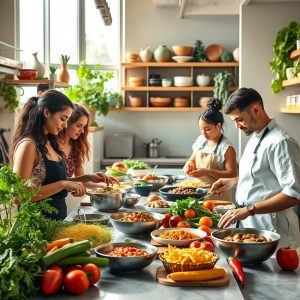
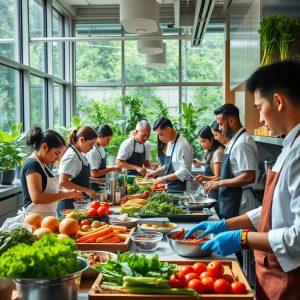
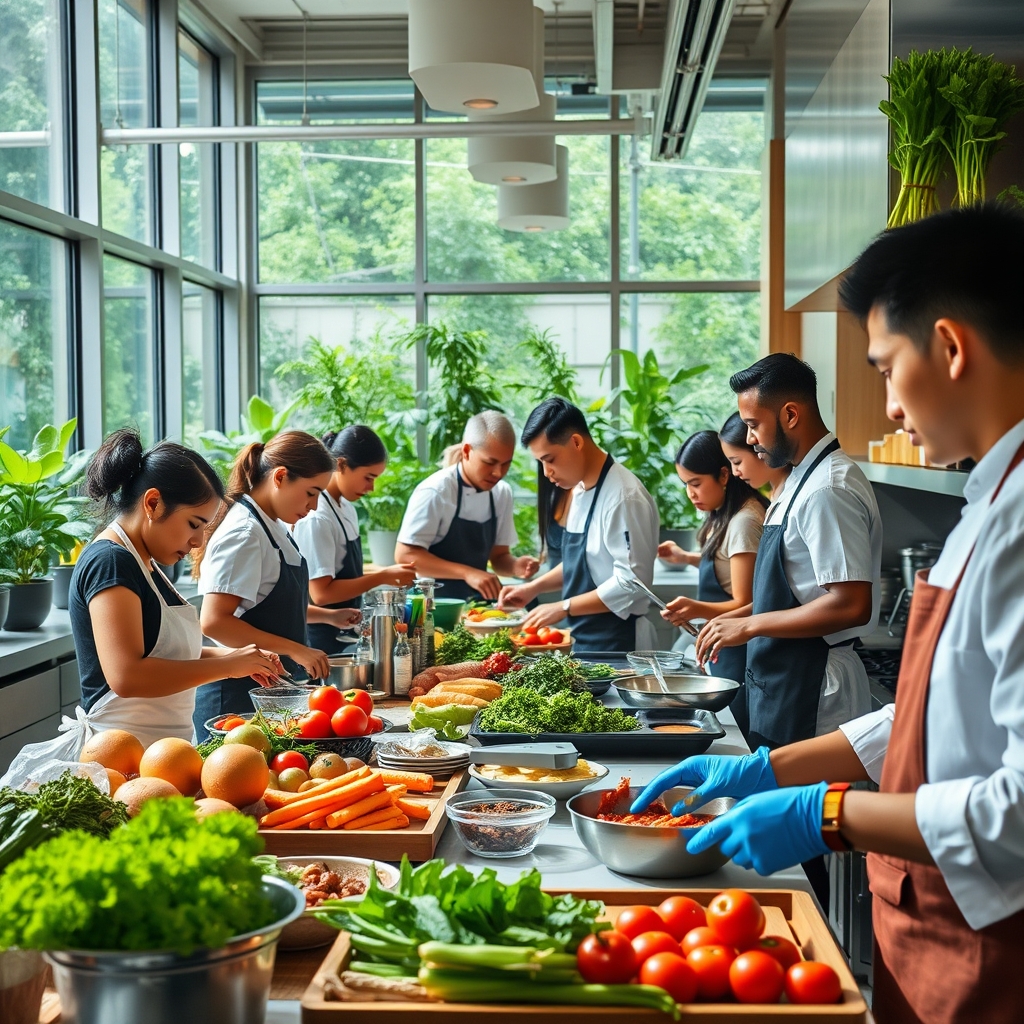
Interactive kitchen workshops are another innovative approach to culinary education. These workshops bring together students, chefs, and culinary professionals in a collaborative learning environment. By working together on projects and sharing their knowledge and expertise, participants can gain a deeper understanding of the culinary arts and develop new skills and techniques.
Collaborative Recipe Development
Collaborative recipe development is a key feature of interactive kitchen workshops. By working together on projects, students and chefs can develop new recipes and techniques that combine their individual skills and expertise. This collaborative approach to recipe development not only enhances the learning experience but also fosters a sense of community and camaraderie among participants. It also encourages creativity and innovation, as students are able to explore new flavor combinations and techniques in a supportive and encouraging environment.
Tech-Assisted Precision Cooking
Tech-assisted precision cooking is another innovative technique that is transforming culinary education. By using advanced technology and equipment, students can develop a more precise and consistent understanding of cooking techniques and methods. This not only enhances their culinary skills but also helps them to develop a greater appreciation for the science and technology behind the cooking process.
Sustainable Ingredient Sourcing
Sustainable ingredient sourcing is an increasingly important aspect of culinary education. By focusing on the sustainable sourcing of ingredients, students can develop a deeper understanding of the environmental and social impacts of the food system. This not only enhances their culinary skills but also helps them to develop a greater appreciation for the importance of sustainability in the food industry.
Cultural Culinary Preservation
Cultural culinary preservation is another key component of sustainable ingredient sourcing. By focusing on the preservation of traditional and cultural culinary techniques and ingredients, students can develop a deeper understanding of the cultural significance of food. This not only enhances their culinary skills but also helps them to develop a greater appreciation for the diversity and richness of global cuisines.
The future of culinary education is bright, with immersive and interactive techniques transforming the way we learn and appreciate the art and science of cooking. By embracing these innovative approaches, we can create a more engaging, effective, and sustainable culinary education system that benefits both students and the food industry as a whole.