The Future of Home Cooking: How Collaborative Development and Sensory Techniques Are Crafting Hyper-Personalized Culinary Journeys
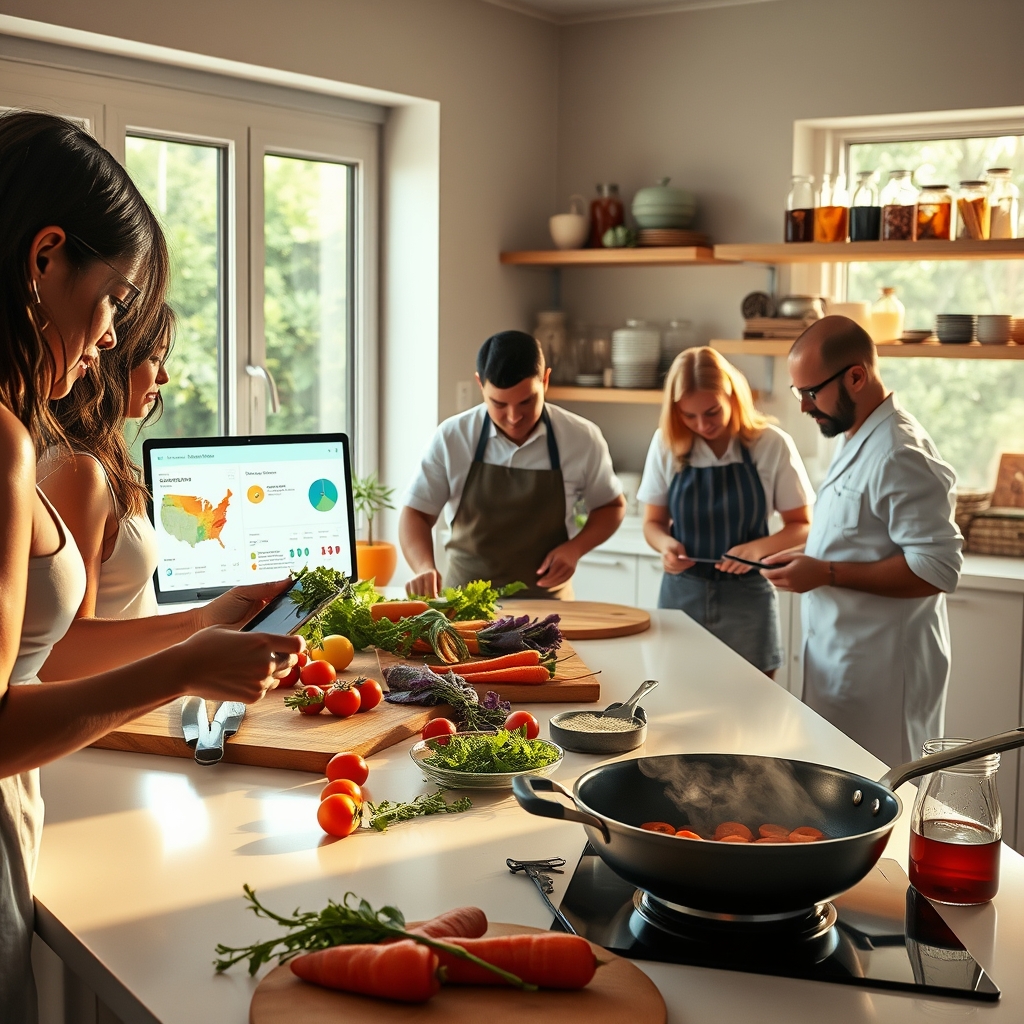
The modern kitchen is no longer just a place to prepare meals—it’s a dynamic laboratory where tradition, technology, and creativity converge to redefine how we experience food. At the heart of this transformation lies a powerful blend of collaborative recipe development and sensory cooking techniques, two forces that are reshaping the way home cooks approach flavor, nutrition, and even the emotional connection to what they eat. This evolution isn’t just about efficiency or convenience; it’s about crafting deeply personal culinary journeys that adapt to individual tastes, dietary needs, and cultural influences in real time.
The Power of Collaboration in the Kitchen
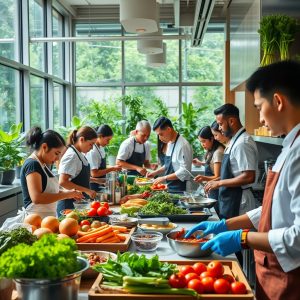
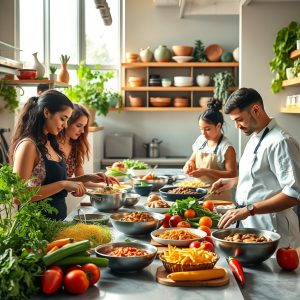
Cooking has always been a communal act, whether through shared family recipes, regional traditions, or the global exchange of culinary ideas. Today, collaborative recipe development is taking this concept to new heights by leveraging digital platforms, AI-driven tools, and community-driven innovation. Imagine a world where home cooks, professional chefs, and food scientists co-create recipes in real time, refining techniques and flavor profiles based on collective feedback. Platforms like these don’t just democratize culinary knowledge—they make it adaptive, ensuring that every dish evolves alongside the people who prepare and enjoy it.
This collaborative approach also extends to personalized flavor profiling, where algorithms analyze individual preferences—from spice tolerance to texture preferences—and suggest ingredient pairings that might never have been considered otherwise. For example, a tool might recommend pairing dark chocolate with smoked paprika for someone who loves bold, complex flavors, or suggest a citrus-infused olive oil to brighten a dish for someone who prefers lighter, fresher tastes. The result? A kitchen experience that feels uniquely tailored, as if every recipe was designed just for you.
Sensory Techniques: The Missing Link in Modern Cooking
While technology plays a crucial role in this culinary revolution, the human senses remain the most powerful tools in any cook’s arsenal. Sensory cooking techniques—such as mindful tasting, aroma analysis, and texture evaluation—are being integrated into modern cooking workflows to create a more immersive and intuitive experience. These methods go beyond following a recipe; they encourage cooks to engage deeply with their ingredients, adjusting seasoning, cooking times, and techniques based on real-time sensory feedback.
For instance, a cook might use the “smell test” to determine when garlic is perfectly caramelized, or rely on the sound of sizzling to gauge the doneness of a sear. These techniques aren’t just about precision—they’re about fostering a deeper connection to the cooking process. When combined with tech-assisted precision cooking, such as smart thermometers or AI-driven timers, sensory techniques allow home cooks to achieve restaurant-quality results without sacrificing the joy of hands-on creativity.
Adaptive Workflows: Cooking That Learns With You
One of the most exciting developments in modern culinary education is the rise of adaptive cooking workflows. Unlike traditional recipes, which follow a rigid set of instructions, adaptive workflows adjust based on the cook’s skill level, available ingredients, and even the tools at hand. For example, an adaptive recipe might suggest substituting kale for spinach if that’s what’s in the fridge, or recommend a simpler technique for a beginner cook while offering advanced tips for those with more experience.
This flexibility is particularly valuable in interactive kitchen workshops, where participants can learn at their own pace while receiving real-time guidance. These workshops often incorporate real-time cooking analytics, such as heat distribution maps or step-by-step video tutorials, to help cooks troubleshoot and refine their techniques on the fly. The result is a more dynamic and engaging learning experience that empowers cooks to experiment with confidence.
The Role of Data in Personalized Nutrition
Beyond flavor and technique, data-driven nutrition tracking is playing an increasingly important role in how we approach home cooking. Wearable devices, smart scales, and nutrition apps can now provide real-time feedback on everything from macronutrient balance to vitamin intake, allowing cooks to tailor meals to their specific health goals. For example, someone focused on heart health might receive suggestions for dishes rich in omega-3 fatty acids, while an athlete might get recommendations for high-protein meals to support muscle recovery.
This data isn’t just about restriction—it’s about empowerment. By understanding how different ingredients and cooking methods impact their bodies, home cooks can make more informed choices without sacrificing flavor or creativity. When combined with bespoke meal planning, data-driven nutrition transforms cooking from a daily chore into a proactive act of self-care.
Preserving Culture Through Culinary Innovation
As global food trends continue to evolve, there’s a growing movement to preserve cultural culinary traditions while embracing innovation. This balance is particularly evident in sustainable ingredient sourcing, where cooks are rediscovering heirloom varieties, indigenous ingredients, and traditional preservation methods. By incorporating these elements into modern dishes, home cooks can honor their heritage while contributing to a more sustainable food system.
For example, a cook might revive an ancient grain like farro or teff, using it as the base for a contemporary salad, or experiment with fermentation techniques to create probiotic-rich condiments. These practices not only add depth and complexity to meals but also foster a deeper appreciation for the stories and histories behind the food we eat. In this way, culinary innovation becomes a bridge between the past and the future, ensuring that cultural flavors are preserved for generations to come.
The kitchen of the future isn’t just about gadgets or gourmet trends—it’s about creating a space where collaboration, sensory exploration, and personalization come together to make cooking a more meaningful and enjoyable experience. Whether through adaptive workflows that grow with you, sensory techniques that deepen your connection to food, or data-driven insights that align meals with your health goals, the way we cook is evolving in ways that are as unique as the people doing the cooking. The result is a culinary landscape where every meal feels like a discovery, and every dish tells a story—one that’s still being written, one bite at a time.