
Beyond the Plate: How Regenerative Agriculture Foods Are Redefining Sustainable Eating
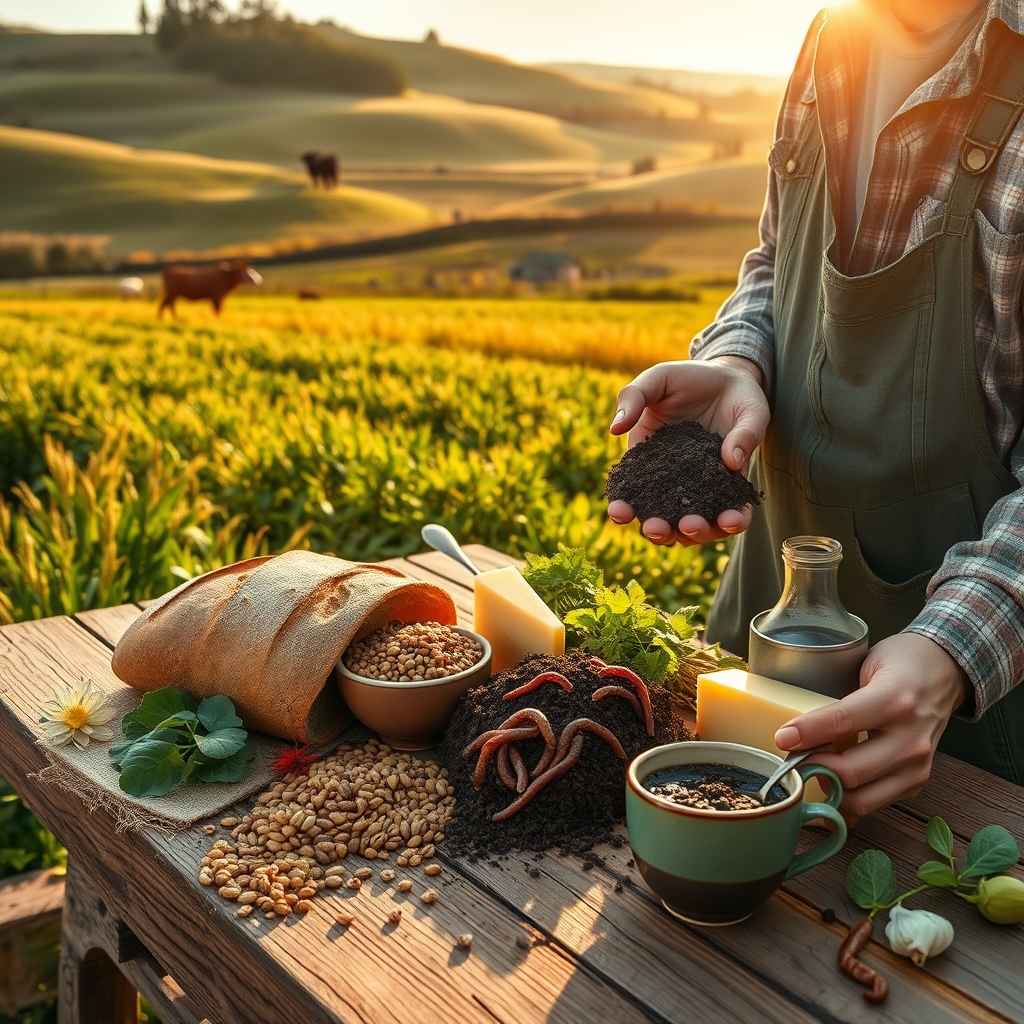
The modern food landscape is undergoing a quiet revolution, one that prioritizes not just taste and nutrition but the very health of the planet. At the heart of this movement lies regenerative agriculture—a farming philosophy that goes beyond sustainability to actively restore ecosystems, improve soil health, and sequester carbon. As consumers become more conscious of their environmental footprint, regenerative agriculture foods are emerging as a powerful way to align culinary choices with ecological stewardship.
The Principles of Regenerative Agriculture
Unlike conventional farming, which often depletes soil nutrients and relies heavily on synthetic inputs, regenerative agriculture focuses on holistic land management. Key practices include cover cropping, crop rotation, reduced tillage, and integrating livestock to mimic natural ecosystems. These methods enhance biodiversity, improve water retention, and reduce erosion, creating a virtuous cycle where the land becomes more fertile over time. For food enthusiasts, this means ingredients that are not only nutrient-dense but also grown in a way that actively benefits the environment.
From Farm to Fork: Regenerative Foods Making Waves
The shift toward regenerative agriculture is no longer confined to niche farms. Mainstream food brands and chefs are increasingly sourcing ingredients like regeneratively grown grains, legumes, and even coffee and cocoa. One standout example is regenerative wheat, which is being used to produce everything from artisanal bread to craft pasta. These products often boast richer flavors and higher protein content, thanks to the nutrient-dense soil in which they’re grown. Similarly, regenerative beef and lamb—raised on pasture using rotational grazing—are gaining traction for their superior taste and lower environmental impact compared to factory-farmed alternatives.
The Role of Regenerative Agriculture in Combating Climate Change
One of the most compelling aspects of regenerative agriculture is its potential to mitigate climate change. Healthy soils act as carbon sinks, drawing CO2 from the atmosphere and storing it underground. Studies suggest that widespread adoption of regenerative practices could sequester enough carbon to offset a significant portion of global emissions. For consumers, this means that choosing regeneratively grown foods isn’t just a personal health decision—it’s a vote for a cooler planet. Brands like Patagonia Provisions and General Mills are already investing in regenerative supply chains, signaling a broader industry shift toward climate-positive food production.
How to Incorporate Regenerative Foods into Your Diet
Adopting a diet rich in regenerative foods doesn’t require a complete overhaul. Start by seeking out products with certifications like Regenerative Organic Certified (ROC) or labels indicating regenerative practices. Farmers’ markets are excellent places to connect with local growers who prioritize soil health. Incorporate regeneratively grown staples like oats, quinoa, and lentils into your meals, or opt for pasture-raised meats and dairy. Even small swaps—like choosing regeneratively grown coffee or chocolate—can make a meaningful difference over time.
The Future of Regenerative Agriculture Foods
As awareness grows, regenerative agriculture is poised to become a cornerstone of the food industry. Innovations like regenerative aquaculture—where shellfish and seaweed are farmed in ways that restore marine ecosystems—are expanding the possibilities even further. Meanwhile, chefs and food entrepreneurs are experimenting with regenerative ingredients to create dishes that are as delicious as they are sustainable. The movement is still in its early stages, but the momentum is undeniable. By supporting regenerative foods, consumers have the power to drive demand for a food system that nourishes both people and the planet.
Every meal is an opportunity to make a choice that extends beyond the plate. Regenerative agriculture foods offer a way to savor the flavors of the earth while giving back to it, proving that the most satisfying dishes are those that leave the world a little better than we found it. As more people embrace this approach, the ripple effects could redefine what it means to eat well in the 21st century.