Crafting Culinary Mastery: How Interactive Kitchen Workshops and Adaptive Workflows Are Shaping the Next Generation of Home Chefs
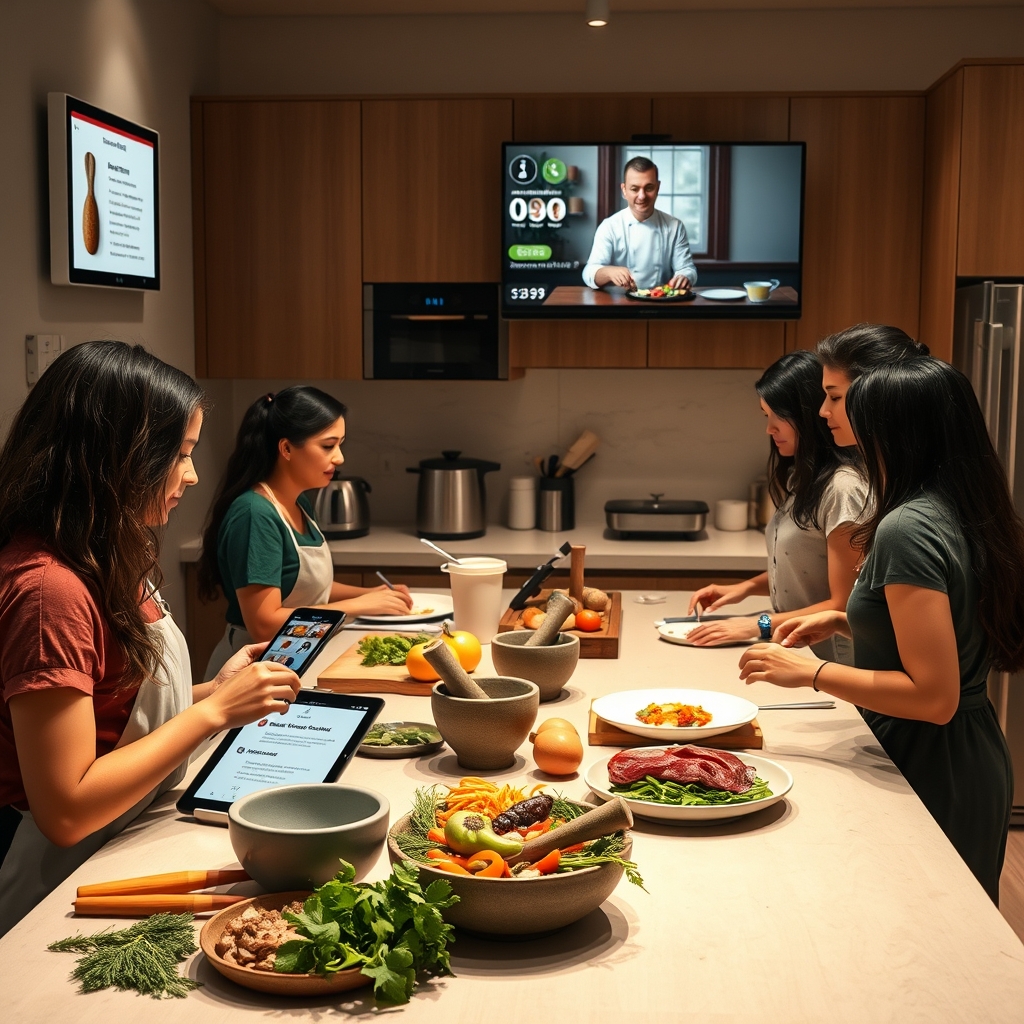
Cooking has long been considered both an art and a science, but the way we learn, practice, and refine our culinary skills is undergoing a profound transformation. The rise of interactive kitchen workshops and adaptive cooking workflows is democratizing gourmet techniques, making professional-level cooking accessible to home chefs. These innovations are not just about following recipes—they’re about fostering intuition, creativity, and confidence in the kitchen.
The Rise of Interactive Culinary Learning
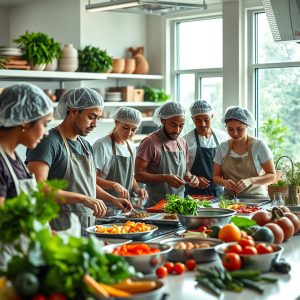
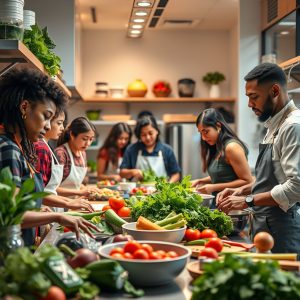
Traditional cooking classes have always offered hands-on experience, but modern interactive kitchen workshops take engagement to a new level. Virtual and hybrid formats now allow participants to cook alongside expert chefs in real time, receiving instant feedback on technique, timing, and flavor balance. Platforms like MasterClass, SideChef, and even live-streamed sessions on social media have made it possible for aspiring cooks to learn from Michelin-starred chefs without leaving their homes.
What sets these workshops apart is their emphasis on experiential gastronomy methods. Rather than passively watching a demonstration, participants are encouraged to engage all their senses—smelling herbs as they bloom in hot oil, listening to the sizzle of a perfectly seared steak, or adjusting seasoning based on taste rather than measurement. This sensory-rich approach deepens understanding and retention, turning cooking from a mechanical process into an immersive, almost meditative experience.
Adaptive Workflows: Cooking with Precision and Flexibility
One of the biggest challenges home cooks face is adapting recipes to their skill level, available ingredients, or dietary restrictions. Adaptive cooking workflows address this by using technology to guide users through a recipe while allowing for real-time adjustments. Apps like Paprika, Yummly, and ChefSteps offer step-by-step instructions that can be paused, modified, or scaled based on user input.
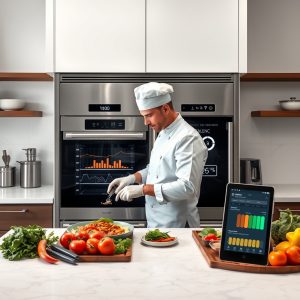
For example, if a recipe calls for a technique a cook isn’t familiar with—like tempering chocolate or making a roux—the app can provide a short tutorial or suggest an alternative method. Some platforms even integrate with smart kitchen appliances, adjusting cooking times and temperatures automatically based on the user’s progress. This blend of tech-assisted precision cooking and flexibility ensures that even complex dishes become approachable.
Personalization Through Flavor Profiling
Another key innovation in modern culinary education is personalized flavor profiling. Just as music streaming services curate playlists based on listening habits, some cooking platforms now analyze a user’s taste preferences to recommend recipes, ingredient pairings, and even cooking techniques. By answering a few questions about flavor preferences—do you lean toward spicy, umami-rich, or bright, citrusy dishes?—cooks can receive tailored suggestions that align with their palate.
This approach not only makes cooking more enjoyable but also encourages experimentation. A home chef who typically avoids seafood, for instance, might discover a new favorite dish through a suggested pairing of miso-glazed cod with a tangy cucumber salad. Over time, these personalized recommendations help users develop a more nuanced understanding of flavor, turning them into more confident and creative cooks.
Sustainability and Mindful Preparation
As awareness of food waste and environmental impact grows, sustainable ingredient sourcing and mindful food preparation have become central themes in culinary education. Interactive workshops increasingly emphasize techniques like nose-to-tail cooking, root-to-stem vegetable prep, and composting. Some platforms even partner with local farms to source ingredients, teaching participants how to select seasonal, ethically produced foods.
Mindful cooking extends beyond sustainability—it’s also about being present in the process. Techniques like slow cooking, fermentation, and plating with intention encourage cooks to savor each step, fostering a deeper connection to the food they prepare. This philosophy aligns with the broader trend of conscious cooking habits, where the act of cooking becomes as nourishing as the meal itself.
Building a Community of Collaborative Cooks
Cooking has often been a solitary activity, but modern culinary education is fostering collaborative recipe development. Online communities, such as those on Reddit’s r/Cooking or Food52, allow home chefs to share tips, troubleshoot challenges, and co-create recipes. Some platforms even offer live co-cooking sessions, where multiple users can prepare the same dish simultaneously, comparing techniques and results in real time.
This sense of community not only makes cooking more social but also accelerates learning. A beginner struggling with a soufflé, for example, can receive instant advice from a more experienced cook, turning a potential kitchen disaster into a valuable lesson. Over time, these interactions build a collective knowledge base that benefits everyone involved.
The Future of Home Kitchen Optimization
The kitchen of the future will likely be a seamless blend of tradition and technology, where efficient kitchen design and intuitive culinary experiences work in harmony. Smart appliances, like connected ovens and AI-powered sous vide machines, are already making precision cooking more accessible. Meanwhile, modular kitchen layouts and multi-functional tools are helping home chefs maximize space and efficiency.
But perhaps the most exciting development is the shift toward intuitive cooking. As cooks become more familiar with techniques and flavor profiles, they rely less on rigid recipes and more on instinct. This doesn’t mean abandoning structure—rather, it’s about developing a deeper understanding of how ingredients interact, allowing for greater creativity and spontaneity in the kitchen.
The journey to culinary mastery is no longer confined to professional kitchens or elite cooking schools. With the rise of interactive workshops, adaptive workflows, and collaborative communities, home chefs have more tools than ever to refine their skills. Whether it’s through the precision of technology, the mindfulness of sustainable practices, or the joy of shared learning, the future of cooking is as much about the process as it is about the final dish. And in that process, every chop, stir, and taste becomes an opportunity to grow—not just as a cook, but as someone who truly savors the art of food.