The Future of Home Cooking: How Interactive Workshops and Adaptive Techniques Are Redefining Culinary Creativity
The modern kitchen is no longer just a place to prepare meals—it’s a dynamic laboratory where creativity, technology, and tradition converge. As home cooks seek deeper connections with their food, a new wave of culinary education is emerging, one that prioritizes interactivity, adaptability, and sensory exploration. At the heart of this movement are interactive kitchen workshops and adaptive cooking workflows, which are transforming how we learn, experiment, and refine our skills in the kitchen.
The Rise of Interactive Kitchen Workshops
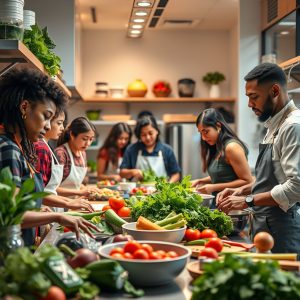
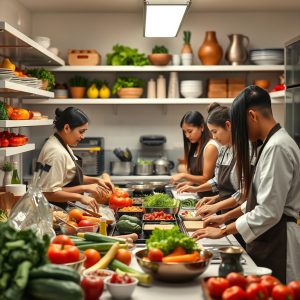
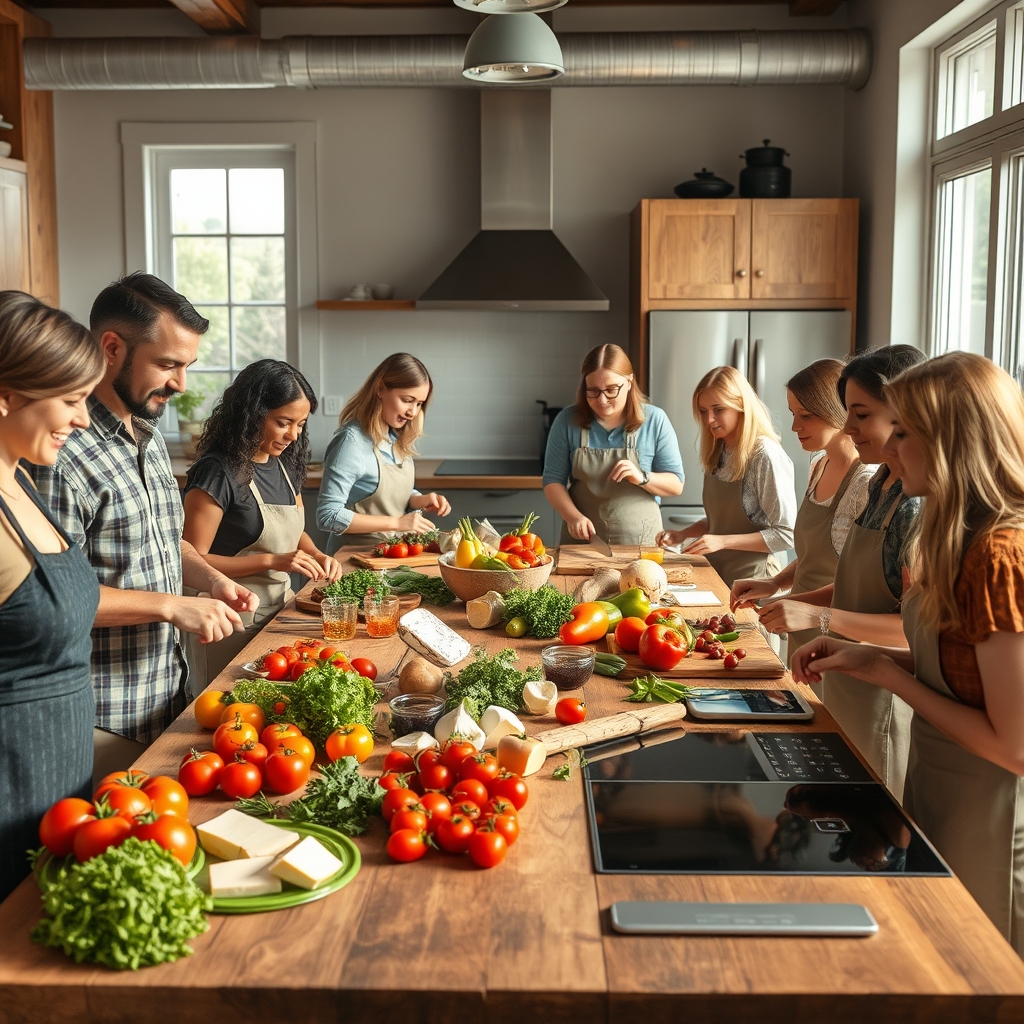
Gone are the days when culinary education was confined to static cookbooks or one-dimensional video tutorials. Today, interactive kitchen workshops are redefining how home cooks engage with food, offering hands-on experiences that blend instruction with real-time feedback. These workshops, whether in-person or virtual, create immersive environments where participants can ask questions, troubleshoot challenges, and refine techniques under the guidance of expert chefs.
What makes these workshops so powerful is their ability to foster collaborative recipe development. Instead of following rigid instructions, participants are encouraged to experiment with flavors, textures, and techniques, often working alongside others to co-create dishes. This collaborative approach not only builds confidence but also sparks innovation, as cooks learn to trust their instincts and adapt recipes to their unique preferences.
From Passive Learning to Active Mastery
The shift from passive to active learning is a game-changer in culinary education. Traditional methods often left home cooks feeling overwhelmed by complex techniques or discouraged by failed attempts. In contrast, interactive workshops prioritize mindful food preparation, teaching participants to engage all their senses—sight, smell, touch, and taste—to develop a deeper understanding of ingredients and processes.
For example, a workshop on sensory cooking techniques might guide participants through a blind tasting exercise, where they identify flavors and aromas without visual cues. This kind of experiential learning not only sharpens palates but also cultivates a more intuitive approach to cooking, where decisions are guided by instinct rather than strict adherence to recipes.
The Role of Adaptive Cooking Workflows
While workshops provide the foundation, adaptive cooking workflows ensure that learning extends beyond the classroom. These workflows are designed to evolve with the cook, offering personalized guidance based on skill level, dietary preferences, and even mood. Whether through AI-driven apps, smart kitchen tools, or modular recipe frameworks, adaptive workflows empower home cooks to tailor their culinary journey to their unique needs.
Personalization Through Technology
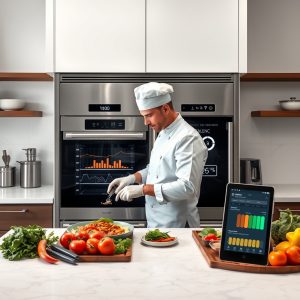
One of the most exciting developments in adaptive cooking is the integration of tech-assisted precision cooking. Devices like smart scales, temperature-controlled induction cooktops, and AI-powered recipe assistants provide real-time feedback, helping cooks achieve consistent results while encouraging experimentation. For instance, an app might suggest ingredient substitutions based on what’s available in the pantry or adjust cooking times to account for altitude or humidity.
This level of personalization extends to bespoke meal planning, where algorithms analyze dietary goals, flavor preferences, and even cultural influences to generate customized recipes. The result is a more efficient and enjoyable cooking experience, where every meal feels tailored to the individual.
Sustainability and Conscious Cooking
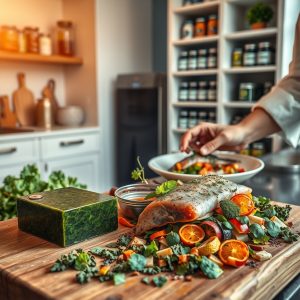
Adaptive workflows also play a crucial role in promoting sustainable ingredient sourcing and conscious cooking habits. By integrating data on seasonal availability, local sourcing, and waste reduction, these systems help cooks make more informed choices. For example, a workflow might suggest using carrot tops in a pesto or repurposing leftovers into a new dish, reducing food waste while inspiring creativity.
The Future of Culinary Creativity
The fusion of interactive workshops and adaptive workflows is not just changing how we cook—it’s redefining what it means to be a home chef. No longer limited by traditional boundaries, today’s cooks are embracing a more fluid, experimental approach to food, where learning is continuous and creativity knows no limits. Whether through collaborative recipe development, sensory exploration, or tech-assisted precision, the kitchen is becoming a space where innovation thrives.
As these trends continue to evolve, one thing is clear: the future of home cooking lies in the hands of those who dare to experiment, adapt, and savor every moment of the process. The tools and techniques may change, but the joy of creating something delicious—something uniquely yours—remains at the heart of every culinary journey.