The Art of Mindful Cooking: How Sensory Techniques and Personalized Flavor Profiling Are Revolutionizing Home Kitchens
Cooking has long been considered both an art and a science, but in today’s fast-paced world, the act of preparing a meal is often reduced to a hurried task rather than a meaningful experience. However, a growing movement is shifting the focus back to the sensory and emotional aspects of cooking, blending mindfulness with culinary creativity. This approach, known as mindful cooking, emphasizes presence, intention, and a deep connection to the ingredients and processes that transform raw elements into nourishing meals. At its core, it’s about slowing down, engaging the senses, and cultivating a relationship with food that goes beyond mere sustenance.
The Rise of Sensory Cooking Techniques
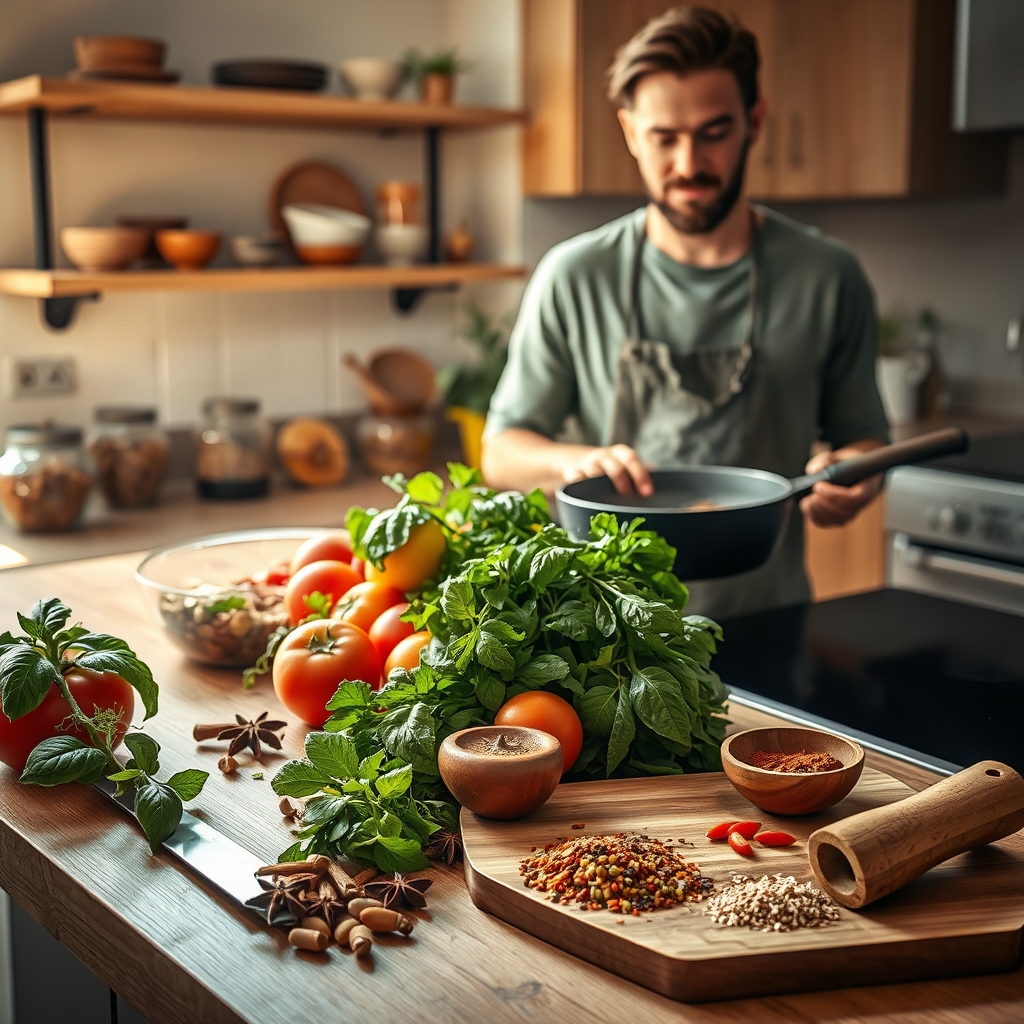
Sensory cooking techniques invite home cooks to explore the textures, aromas, sounds, and even the visual appeal of ingredients in ways that traditional recipes often overlook. For instance, the simple act of toasting spices in a dry pan until they release their fragrant oils can elevate a dish from ordinary to extraordinary. The crackling sound of seeds popping, the deepening color of ground spices, and the warm, earthy aroma that fills the kitchen are all part of the sensory journey. These techniques encourage cooks to trust their instincts rather than relying solely on measurements and timers, fostering a more intuitive and personal connection to the food they prepare.
Another example is the practice of “blind tasting,” where cooks sample ingredients individually before combining them. This method sharpens the palate and helps identify how flavors interact, allowing for more deliberate and harmonious pairings. By engaging multiple senses, cooks can better understand the nuances of their ingredients, leading to dishes that are not only delicious but also deeply satisfying on a sensory level.
Personalized Flavor Profiling: Cooking for Your Unique Palate
One of the most exciting developments in modern culinary education is the concept of personalized flavor profiling. This approach recognizes that taste is highly individual, influenced by genetics, cultural background, and personal experiences. Instead of following generic recipes, cooks are encouraged to develop their own flavor profiles—combinations of tastes, textures, and aromas that resonate with their unique preferences. Tools like flavor wheels and tasting journals can help individuals identify their favorite flavor notes, whether it’s the brightness of citrus, the warmth of cinnamon, or the umami depth of soy sauce.
Personalized flavor profiling also extends to dietary needs and health goals. For example, someone with a sensitivity to spice might explore alternative ways to add depth to their dishes, such as using smoked paprika or roasted garlic. Meanwhile, a person focused on plant-based eating might experiment with umami-rich ingredients like mushrooms, nutritional yeast, or fermented foods to create satisfying, flavorful meals. By tailoring recipes to their own tastes and needs, cooks can create dishes that feel truly their own, making the act of cooking more enjoyable and rewarding.
Interactive Kitchen Workshops: Learning Through Experience
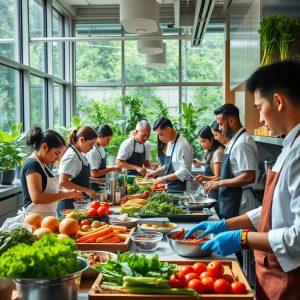
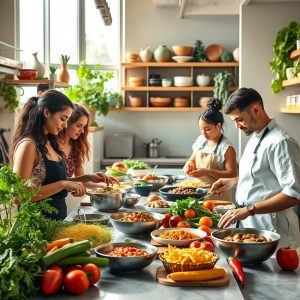
While books and videos can provide valuable guidance, there’s no substitute for hands-on learning. Interactive kitchen workshops are gaining popularity as a way to bridge the gap between theory and practice, offering participants the opportunity to engage with ingredients, tools, and techniques in a collaborative setting. These workshops often focus on specific themes, such as mastering knife skills, exploring global cuisines, or learning the art of fermentation. They provide a space for cooks of all levels to ask questions, experiment, and receive real-time feedback from instructors and peers.
One of the key benefits of interactive workshops is the sense of community they foster. Cooking can be an isolating experience, especially for those who are just starting out, but workshops create a shared environment where participants can learn from one another’s successes and mistakes. This collaborative approach not only builds confidence but also sparks creativity, as cooks are exposed to new ideas and perspectives. Whether it’s a virtual class or an in-person session, these workshops make culinary education more accessible and engaging, transforming cooking from a solitary task into a social and enriching experience.
Sustainable Ingredient Sourcing: Cooking with Consciousness
Mindful cooking isn’t just about the process—it’s also about the ingredients. Sustainable ingredient sourcing has become a cornerstone of modern culinary practices, as more cooks seek to minimize their environmental impact while supporting ethical food systems. This means choosing locally grown produce, opting for seasonal ingredients, and selecting products from farms and suppliers that prioritize fair labor practices and regenerative agriculture. By making conscious choices about where their food comes from, cooks can reduce their carbon footprint and contribute to a more sustainable food future.
Beyond environmental benefits, sustainable sourcing also enhances the quality and flavor of meals. Locally grown, seasonal ingredients are often fresher and more nutrient-dense than their out-of-season counterparts, which may have traveled long distances to reach the kitchen. Additionally, supporting small-scale farmers and producers helps preserve biodiversity and traditional farming methods, ensuring that unique and heirloom varieties of fruits, vegetables, and grains continue to thrive. For home cooks, this approach adds another layer of meaning to the act of cooking, as each meal becomes a reflection of their values and commitment to the planet.
Tech-Assisted Precision: Balancing Tradition and Innovation
While mindful cooking emphasizes intuition and sensory awareness, technology is playing an increasingly important role in helping home cooks achieve precision and consistency. Tools like smart scales, sous vide machines, and connected thermometers allow cooks to measure ingredients and monitor cooking processes with remarkable accuracy. These devices can be particularly helpful for those who are new to cooking or experimenting with complex techniques, as they provide real-time feedback and reduce the risk of errors. However, the key is to use technology as a complement to—not a replacement for—intuition and creativity.
For example, a smart oven can ensure that a roast is cooked to the perfect temperature, but it’s the cook’s sense of smell and touch that will determine when the meat is truly ready to rest. Similarly, a recipe app can suggest ingredient substitutions based on dietary preferences, but it’s the cook’s palate that will decide whether the final dish achieves the desired balance of flavors. By embracing technology as a tool rather than a crutch, cooks can enjoy the best of both worlds: the precision of modern innovation and the artistry of traditional techniques.
As the culinary world continues to evolve, the fusion of mindfulness, sensory exploration, and personalized approaches is redefining what it means to cook at home. No longer just a means to an end, cooking is becoming a deeply personal and enriching experience—one that nourishes not only the body but also the mind and soul. Whether through the crackle of spices in a hot pan, the vibrant colors of a seasonal salad, or the shared laughter of a cooking workshop, the act of preparing food is being transformed into a celebration of creativity, connection, and conscious living. In this way, every meal becomes an opportunity to slow down, savor the moment, and create something truly meaningful.