The Culinary Renaissance: How Global Fusion Cuisine, Smoked Chili Crisp, and Zero-Waste Innovations Are Redefining Modern Gastronomy
The culinary world is undergoing a seismic shift, where tradition meets innovation in the most unexpected ways. At the heart of this transformation is a growing appetite for foods that not only tantalize the taste buds but also align with ethical, sustainable, and health-conscious values. From the bustling streets of Bangkok to the avant-garde kitchens of Copenhagen, chefs and food enthusiasts are embracing a new era of gastronomy—one that celebrates bold flavors, reduces waste, and reimagines the very essence of what we eat.
The Fusion Revolution: A Global Melting Pot on Your Plate
Global fusion cuisine is no longer just a trend; it’s a movement that reflects the interconnectedness of our world. Imagine a dish where the umami depth of Japanese miso meets the fiery kick of Mexican chipotle, or where the aromatic spices of North African harissa blend seamlessly with the creamy richness of Italian risotto. These aren’t just experiments—they’re masterpieces that tell stories of migration, trade, and cultural exchange.
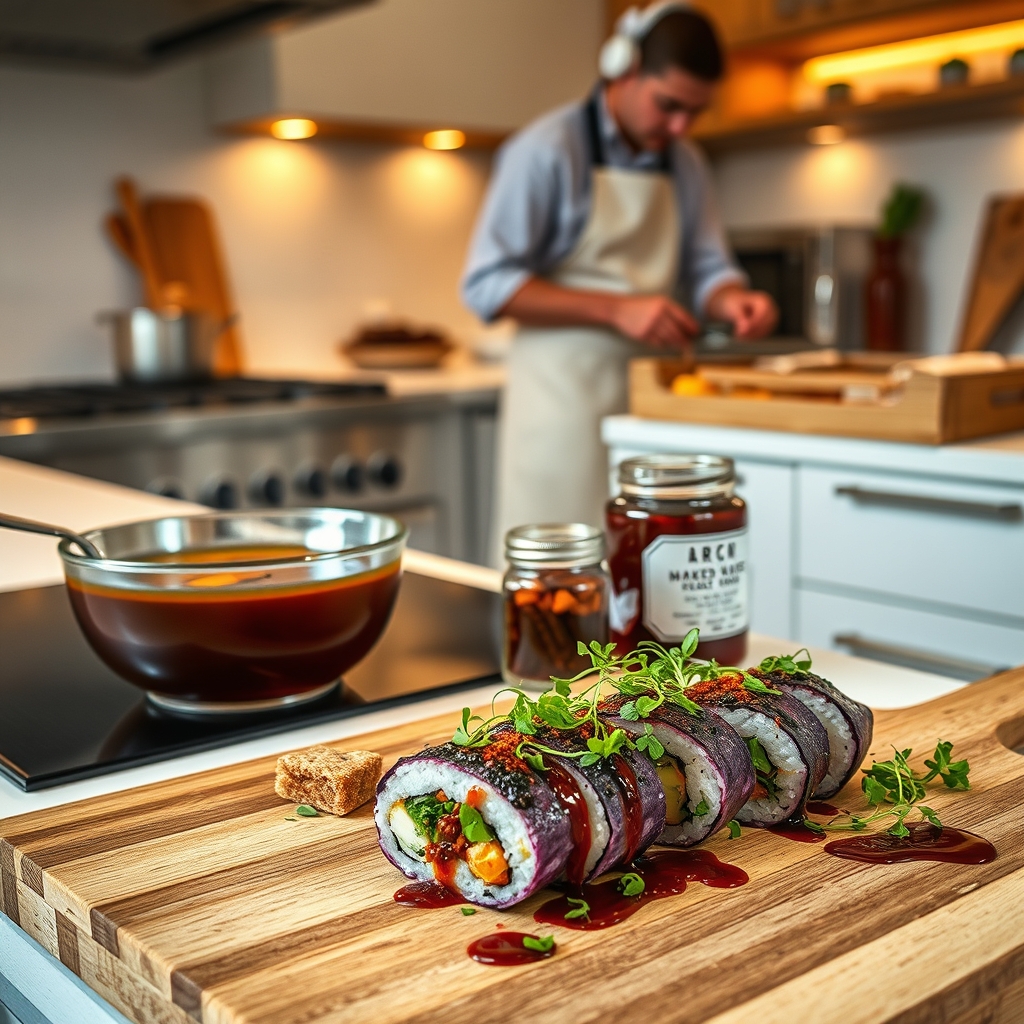
Chefs are pushing boundaries by incorporating lesser-known ingredients from across the globe, creating dishes that are as visually stunning as they are delicious. Think of a sushi roll wrapped in vibrant purple ube (a Filipino purple yam) or a ramen broth infused with the smoky notes of Middle Eastern sumac. The result? A dining experience that transcends borders and invites diners to embark on a culinary journey without ever leaving their seats.
The Rise of Smoked Chili Crisp: A Condiment That Steals the Show
If there’s one condiment that has taken the culinary world by storm, it’s smoked chili crisp. Originating from China’s Sichuan province, this fiery, crunchy, and deeply aromatic paste has found its way into kitchens and restaurants worldwide. Its versatility is unmatched—drizzled over avocado toast, stirred into noodle soups, or even swirled into ice cream for a sweet-spicy kick. The secret lies in its complex layers of flavor: the heat of dried chilies, the smokiness of toasted spices, and the satisfying crunch of fried shallots and garlic.
What makes smoked chili crisp a standout is its ability to elevate even the simplest of dishes. A humble bowl of rice becomes a gourmet experience with a spoonful of this golden elixir, while a basic grilled cheese sandwich transforms into a bold, flavor-packed masterpiece. It’s no wonder that foodies and chefs alike are obsessed—this condiment is a testament to how a single ingredient can redefine a dish.
Zero-Waste Cooking: Where Sustainability Meets Creativity
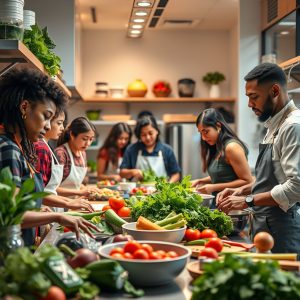
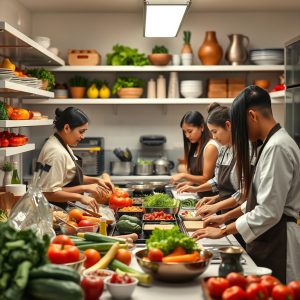
In a world grappling with food waste, zero-waste cooking has emerged as a beacon of hope. This philosophy isn’t just about reducing scraps; it’s about reimagining how we use every part of an ingredient, from root to stem. Chefs are leading the charge by crafting dishes that utilize peels, stems, and offcuts in innovative ways. Carrot tops become pesto, citrus peels are candied, and vegetable scraps are transformed into rich, flavorful broths.
Zero-waste cooking isn’t limited to home kitchens—it’s making waves in fine dining as well. Restaurants are adopting nose-to-tail and root-to-stem practices, ensuring that nothing goes to waste. For example, a single beet can be used in its entirety: the root is roasted, the greens are sautéed, and the stems are pickled. This approach not only minimizes waste but also maximizes flavor and nutrition, proving that sustainability and gourmet dining can go hand in hand.
Upcycled Snacks: Turning Waste into Flavorful Delights
Upcycled food snacks are another exciting frontier in the zero-waste movement. These snacks are made from ingredients that would otherwise be discarded, such as spent grain from breweries, fruit pulp from juice production, or imperfect produce that doesn’t meet supermarket standards. By transforming these byproducts into delicious, nutrient-dense snacks, companies are reducing food waste while offering consumers innovative and eco-friendly options.
From crispy chickpea snacks made from aquafaba (the liquid from canned chickpeas) to granola bars crafted from upcycled oats, these products are as tasty as they are sustainable. They’re also a testament to the creativity of food innovators who see potential where others see waste. As consumers become more conscious of their environmental footprint, upcycled snacks are poised to become a staple in pantries around the world.
The Future of Dining: A Harmonious Blend of Tradition and Innovation
What does the future of dining look like? It’s a world where global flavors collide, where condiments like smoked chili crisp add depth and excitement to everyday meals, and where sustainability is not an afterthought but a guiding principle. It’s a world where chefs and home cooks alike are empowered to experiment, innovate, and reduce waste without compromising on taste or quality.
The culinary renaissance we’re witnessing is more than just a passing trend—it’s a reflection of our evolving relationship with food. As we continue to explore new flavors, techniques, and ingredients, one thing is clear: the way we eat is changing, and it’s changing for the better. Whether it’s through the bold fusion of global cuisines, the mindful practices of zero-waste cooking, or the creative repurposing of upcycled ingredients, the future of food is bright, flavorful, and full of possibility. This is not just about what’s on our plates; it’s about how we choose to nourish ourselves, our communities, and the planet we call home.