
The Subtle Luxury of Plant-Forward Fine Dining: How Elite Hotels Are Crafting Gourmet Menus with Hyper-Local Botanical Brilliance
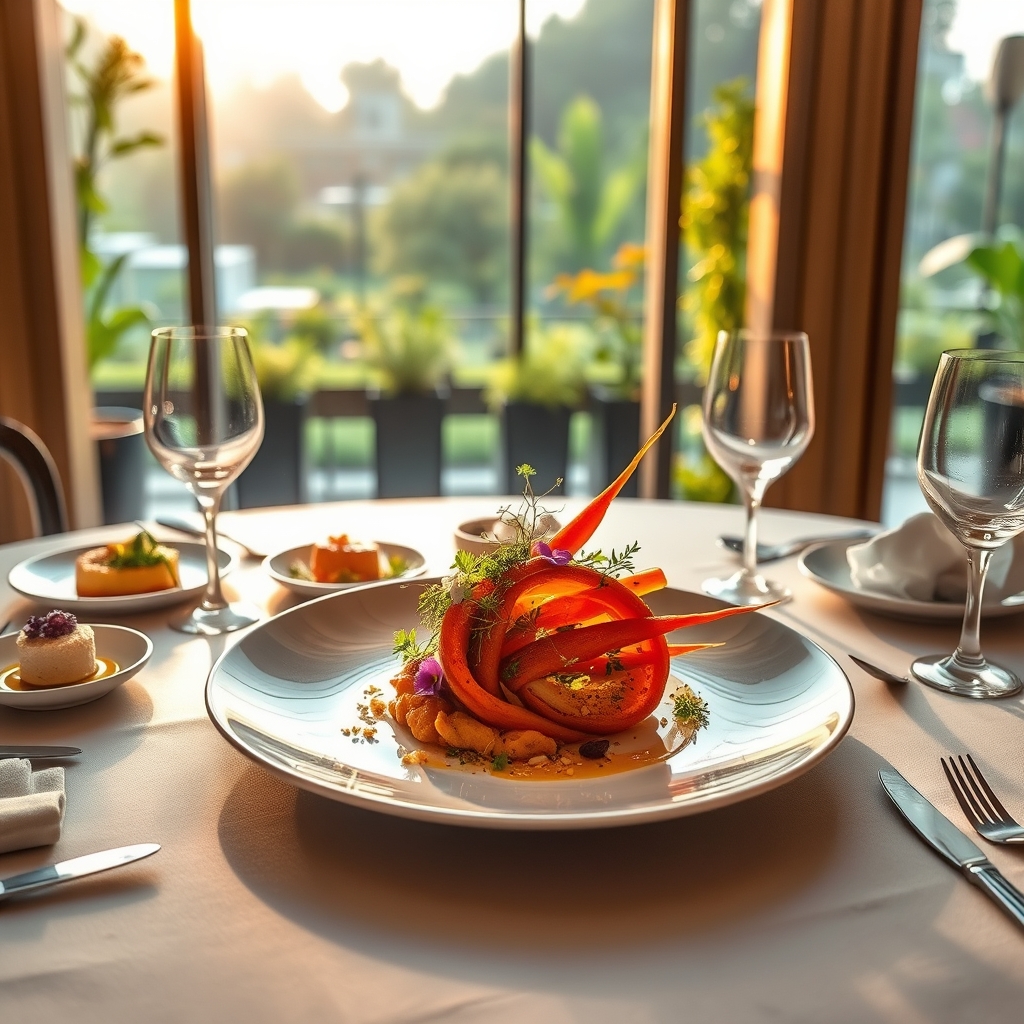
In the ever-evolving landscape of luxury hotel dining, a quiet revolution is taking root—one that celebrates the understated elegance of plant-forward gastronomy. No longer confined to the periphery of gourmet menus, vegetables, herbs, and foraged botanicals are now taking center stage, redefining what it means to dine in opulence. This shift isn’t about compromise; it’s about creativity, sustainability, and a deep reverence for the land. Elite hotels around the world are proving that fine dining can be both indulgent and mindful, crafting experiences that are as nourishing for the soul as they are for the palate.
The Rise of Botanical Brilliance
Gone are the days when plant-based dishes were an afterthought, relegated to a single token option on a menu. Today, luxury hotels are embracing the full spectrum of botanical possibilities, transforming humble ingredients into culinary masterpieces. At the heart of this movement is a commitment to hyper-local sourcing, where chefs collaborate with nearby farms, foragers, and even hotel gardens to procure the freshest, most vibrant produce. The result? Dishes that burst with flavor, color, and a sense of place.
Take, for example, the rooftop gardens of urban luxury hotels, where heirloom tomatoes, edible flowers, and rare herbs thrive just steps away from the kitchen. These gardens aren’t merely decorative; they’re a testament to the hotel’s dedication to sustainability and innovation. Chefs harvest these ingredients at their peak, ensuring that every dish tells a story of seasonality and terroir. A simple salad of microgreens and nasturtiums becomes a work of art, while a velvety purée of roasted carrots and turmeric is elevated with a drizzle of locally sourced honey and a sprinkle of toasted seeds.
The Art of Plant-Forward Tasting Menus
For those seeking the pinnacle of plant-forward fine dining, chef tasting menus offer an immersive journey into the world of botanical gastronomy. These multi-course experiences are designed to surprise and delight, showcasing the versatility of vegetables, grains, and legumes in ways that defy expectation. At a Michelin-starred hotel in Kyoto, diners might be treated to a delicate amuse-bouche of pickled daikon and yuzu, followed by a course of silken tofu infused with truffle and served with a miso consommé. Each dish is a harmonious blend of tradition and innovation, proving that plant-based cuisine can be just as sophisticated as its meat-centric counterparts.
What sets these tasting menus apart is their ability to evoke emotion. A single bite of a perfectly seared king oyster mushroom, marinated in soy and mirin, can transport diners to a misty forest in Japan. A dessert of black sesame panna cotta with compressed melon and shiso syrup might conjure the warmth of a summer evening in the Mediterranean. These are not just meals; they are sensory experiences, meticulously crafted to engage all five senses.
The Role of Fusion in Plant-Forward Cuisine
Fusion cuisine has long been a staple of fine dining, but in the realm of plant-forward gastronomy, it takes on a new dimension. Chefs are drawing inspiration from global culinary traditions, blending techniques and flavors to create dishes that are both familiar and entirely novel. Imagine a dish of crispy lotus root, tempura-style, served with a side of spicy gochujang aioli—a fusion of Japanese and Korean influences. Or a Moroccan-inspired tagine of slow-cooked eggplant, apricots, and ras el hanout, reimagined with a modern twist.
This approach not only expands the possibilities of plant-based dining but also makes it more accessible to a wider audience. Diners who might be hesitant to try a fully plant-based meal are often pleasantly surprised by the depth of flavor and creativity on offer. It’s a testament to the skill of the chefs, who are able to balance tradition with innovation, creating dishes that feel both comforting and exciting.
The Wellness Factor
Beyond the culinary innovation, there’s a growing recognition of the wellness benefits of plant-forward dining. Luxury hotels are increasingly catering to guests who prioritize health and mindfulness, offering menus that are rich in nutrients, antioxidants, and anti-inflammatory properties. From turmeric-infused golden lattes to matcha desserts and adaptogenic tonics, these dishes are designed to nourish the body as well as the soul.
At wellness-focused hotels, plant-forward dining is often integrated into a broader holistic experience. Guests might start their day with a sunrise yoga session, followed by a breakfast of chia pudding, fresh fruit, and house-made almond milk. Lunch could feature a vibrant Buddha bowl of quinoa, roasted vegetables, and tahini dressing, while dinner might be a light yet satisfying meal of grilled asparagus and wild rice pilaf. These meals are not just about sustenance; they’re about rejuvenation, helping guests feel their best during their stay.
The Future of In-Room Dining
Even in-room dining, once synonymous with heavy, indulgent meals, is undergoing a transformation. Luxury hotels are reimagining their room service menus to include plant-forward options that are just as decadent as their traditional counterparts. A guest might order a truffle-infused risotto made with arborio rice and wild mushrooms, or a dessert of dark chocolate avocado mousse with raspberry coulis. These dishes prove that plant-based dining can be every bit as luxurious as its meat and dairy-heavy counterparts.
The key to this evolution lies in the attention to detail. Chefs are using high-quality ingredients and innovative techniques to ensure that every dish, whether served in the restaurant or in the privacy of a guest’s suite, is a masterpiece. From the presentation to the plating, every element is carefully considered to create an experience that feels indulgent and special.
As the world of luxury hotel dining continues to evolve, one thing is clear: plant-forward cuisine is here to stay. It’s a movement that celebrates the beauty of nature, the creativity of chefs, and the desire of diners to indulge without compromise. Whether it’s a multi-course tasting menu, a wellness-focused breakfast, or an in-room dining experience, these dishes are redefining what it means to dine in luxury. They remind us that the most extraordinary meals are often the ones that connect us to the earth, to the seasons, and to the simple yet profound joy of eating well.