The Culinary Revolution: How Real-Time Analytics and Cultural Preservation Are Redefining Home Cooking Experiences
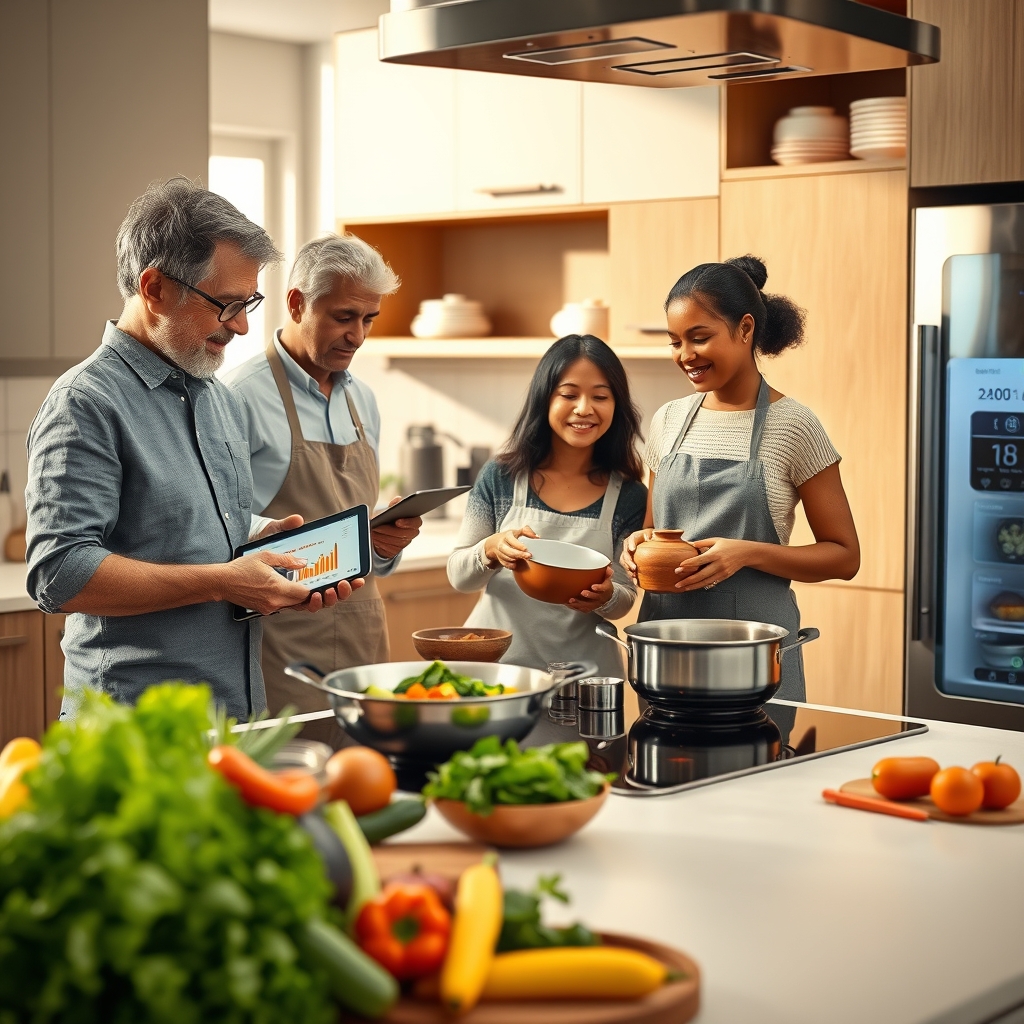
The modern kitchen is no longer just a place to prepare meals—it’s a dynamic laboratory where tradition meets innovation, and where every chop, stir, and simmer is an opportunity to refine, explore, and connect. As home cooks increasingly seek deeper engagement with their food, a new wave of culinary practices is emerging, blending the precision of technology with the richness of cultural heritage. At the heart of this transformation lies the fusion of real-time cooking analytics and the preservation of cultural culinary traditions, creating an experience that is as intuitive as it is insightful.
The Rise of Real-Time Cooking Analytics
Imagine a kitchen where your tools don’t just assist but actively guide you through the cooking process, offering instant feedback on technique, timing, and even flavor development. Real-time cooking analytics are making this a reality, turning the home kitchen into a space of continuous learning and improvement. Smart scales, connected thermometers, and AI-powered cooking assistants now provide live data on everything from ingredient ratios to heat distribution, ensuring consistency and precision with every dish.
These tools do more than just measure—they adapt. For instance, a smart pan might adjust its temperature based on the stage of cooking, while an app could suggest adjustments to seasoning based on your personal flavor preferences. This level of tech-assisted precision doesn’t replace intuition; it enhances it, allowing cooks to experiment with confidence while refining their skills in real time. The result is a more intuitive culinary experience, where data-driven insights and sensory techniques work in harmony.
Preserving Culture Through Culinary Innovation
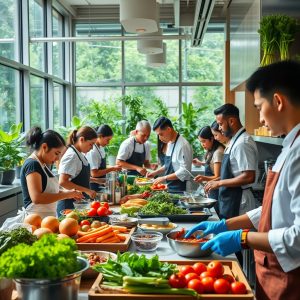
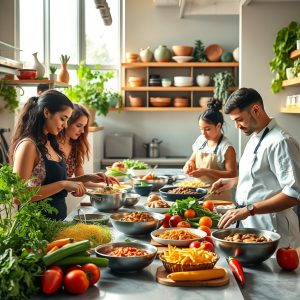
While technology is reshaping how we cook, there’s a growing movement to ensure that the soul of cooking—its cultural roots—isn’t lost in the process. Cultural culinary preservation is about more than just recreating traditional recipes; it’s about understanding the stories, techniques, and ingredients that define a cuisine and passing them on in ways that resonate with modern cooks. Interactive kitchen workshops and immersive culinary education programs are playing a pivotal role in this effort, offering hands-on experiences that bridge the gap between past and present.
These workshops often focus on techniques like fermentation, spice blending, or regional cooking methods that have been perfected over generations. By learning these skills in a collaborative setting, participants not only gain practical knowledge but also develop a deeper appreciation for the cultural significance of the dishes they prepare. This approach ensures that culinary traditions remain vibrant and relevant, even as new tools and methods emerge.
The Power of Personalized Flavor Profiling
One of the most exciting developments in modern cooking is the ability to tailor flavors to individual preferences through personalized flavor profiling. This technique goes beyond simple taste preferences, taking into account factors like dietary needs, cultural influences, and even emotional connections to food. By analyzing data from past meals—such as ingredient pairings, seasoning levels, and cooking methods—AI-driven platforms can suggest recipes and adjustments that align with a cook’s unique palate.
For example, a home chef who loves bold, spicy flavors might receive recommendations for dishes that incorporate chili peppers in unexpected ways, while someone with a preference for umami-rich foods could explore new combinations of mushrooms, soy, and fermented ingredients. This level of customization makes cooking more enjoyable and rewarding, as every meal becomes an opportunity to explore and refine one’s culinary identity.
Sustainable Sourcing and Mindful Preparation
As awareness of environmental and ethical concerns grows, so does the emphasis on sustainable ingredient sourcing and mindful food preparation. Home cooks are increasingly seeking out locally grown, seasonal, and ethically produced ingredients, not just for their superior flavor but also for their lower environmental impact. This shift is supported by platforms that connect consumers directly with farmers and producers, making it easier to source ingredients that align with their values.
Mindful food preparation complements this approach by encouraging cooks to engage fully with the process—from selecting ingredients to plating the final dish. Techniques like zero-waste cooking, nose-to-tail butchery, and composting are becoming mainstream, as cooks look for ways to minimize waste and maximize the potential of every ingredient. This mindful approach not only benefits the planet but also deepens the connection between the cook and their food, transforming each meal into a meaningful experience.
Designing the Kitchen of the Future
The physical layout of the kitchen is also evolving to support these new culinary practices. Efficient kitchen design now prioritizes flexibility, accessibility, and integration of technology, creating spaces that adapt to the needs of the cook. Modular storage solutions, multi-functional appliances, and ergonomic layouts ensure that every tool and ingredient is within easy reach, reducing friction and enhancing the cooking experience.
For instance, smart refrigerators can track ingredient freshness and suggest recipes based on what’s available, while induction cooktops with built-in sensors provide precise temperature control. These innovations are designed to streamline workflows, making it easier for home cooks to experiment with new techniques and ingredients without feeling overwhelmed. The result is a kitchen that feels less like a workspace and more like a creative studio, where inspiration can flow freely.
As the boundaries between technology and tradition continue to blur, the home kitchen is becoming a space of endless possibility. Whether it’s through the precision of real-time analytics, the richness of cultural preservation, or the creativity of personalized flavor profiling, modern cooking is about more than just feeding ourselves—it’s about nourishing our curiosity, our connections, and our communities. The tools and techniques we use today are not just shaping the meals we create; they’re shaping the way we experience the world, one dish at a time.