The Future of Home Cooking: How Bespoke Meal Planning and Experiential Gastronomy Are Redefining Culinary Creativity
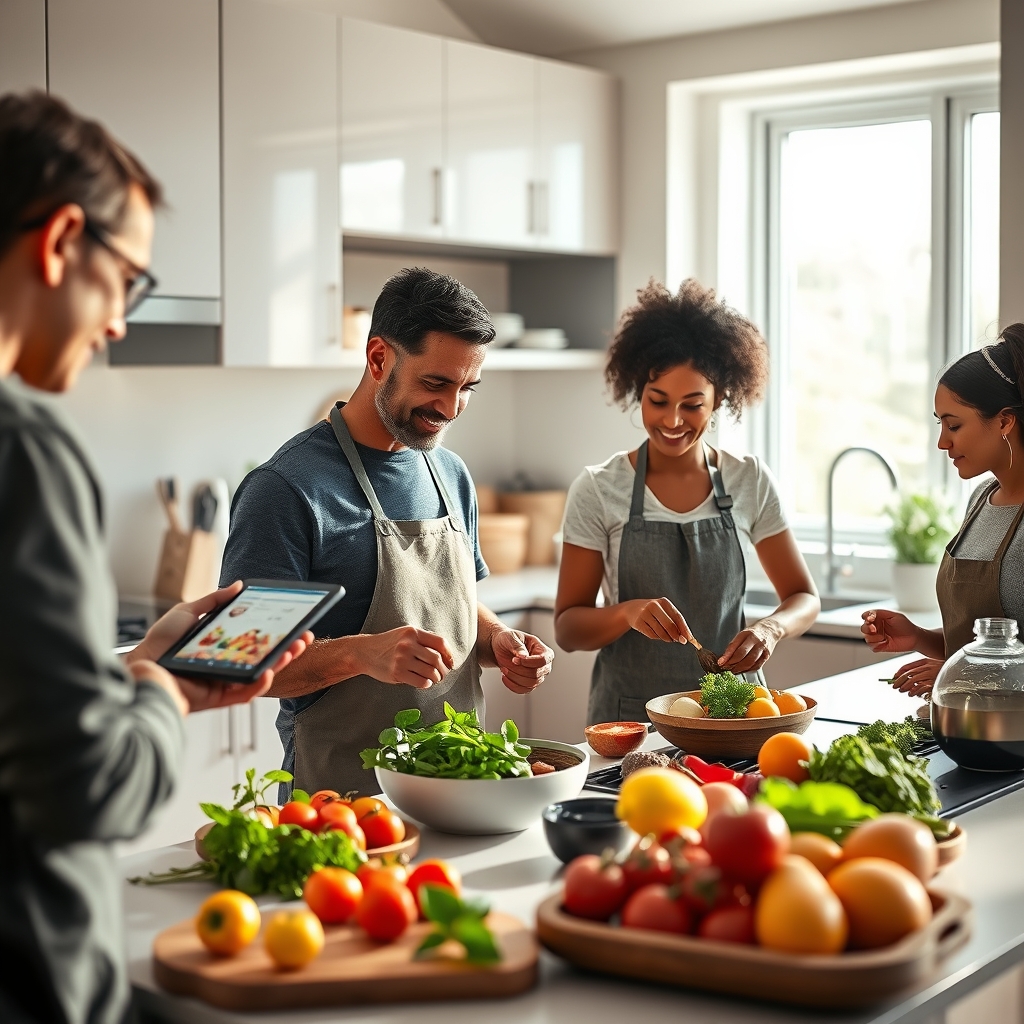
The modern home kitchen is no longer just a place to prepare meals—it’s a dynamic laboratory where science, art, and technology converge to create unforgettable culinary experiences. As our understanding of flavor, nutrition, and sustainability deepens, so too does our approach to cooking. At the heart of this evolution lies the fusion of bespoke meal planning and experiential gastronomy, two trends that are reshaping how we interact with food on a daily basis.
The Rise of Bespoke Meal Planning
Gone are the days of rigid meal plans dictated by generic recipes or outdated dietary guidelines. Today’s home cooks are embracing personalized meal planning that adapts to individual preferences, nutritional needs, and even moods. Advanced algorithms and AI-driven platforms now analyze dietary restrictions, flavor preferences, and even cultural influences to generate tailored meal suggestions. This shift toward customization ensures that every dish is not only nutritious but also deeply satisfying.
For example, apps that integrate data-driven nutrition tracking can adjust meal plans in real time based on activity levels, metabolic rates, or even stress factors. This level of precision allows home cooks to optimize their diets without sacrificing creativity or enjoyment. The result? A seamless blend of health and indulgence, where every meal feels like it was designed just for you.
Experiential Gastronomy: Beyond the Plate
Cooking is no longer just about the final dish—it’s about the journey. Experiential gastronomy transforms meal preparation into a multisensory adventure, engaging sight, sound, smell, and touch to elevate the cooking process. Techniques like sensory cooking encourage chefs to slow down, observe, and interact with ingredients in ways that deepen their connection to food.
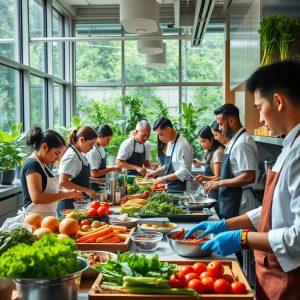
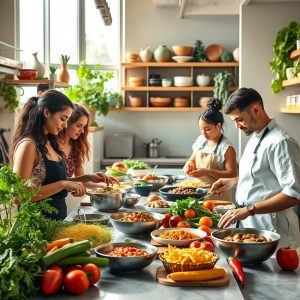
Imagine a workshop where participants don’t just follow a recipe but engage in interactive kitchen experiences, such as blind taste tests to refine their palates or hands-on experiments with texture and temperature. These methods foster a deeper appreciation for ingredients, encouraging mindful preparation and reducing food waste. By treating cooking as an immersive experience, home chefs can unlock new levels of creativity and confidence in the kitchen.
The Role of Technology in Culinary Innovation
Technology is a powerful ally in this culinary revolution. Tech-assisted precision cooking tools, such as smart ovens and sous-vide machines, allow home cooks to achieve restaurant-quality results with minimal effort. Meanwhile, real-time cooking analytics provide instant feedback on techniques, helping users refine their skills and avoid common mistakes.
For those looking to expand their culinary repertoire, collaborative recipe development platforms enable cooks to share, modify, and perfect dishes in real time. These communities foster creativity, allowing users to experiment with creative ingredient pairing and adaptive workflows that suit their unique cooking styles. Whether it’s swapping out ingredients for dietary needs or discovering unexpected flavor combinations, technology is making the kitchen more accessible and exciting than ever.
Sustainability as a Cornerstone of Modern Cooking
No discussion of the future of cooking would be complete without addressing sustainability. Sustainable ingredient sourcing is no longer a niche concern—it’s a fundamental aspect of modern culinary practices. Home cooks are increasingly prioritizing locally grown, seasonal, and ethically sourced ingredients, reducing their environmental impact while supporting local economies.
Innovative approaches like mindful food preparation emphasize zero-waste techniques, such as using vegetable scraps for stocks or repurposing leftovers into new dishes. These practices not only minimize waste but also encourage a deeper respect for the ingredients themselves. By integrating sustainability into meal planning and preparation, home cooks can contribute to a healthier planet while enjoying delicious, nourishing meals.
Designing the Kitchen of the Future
The physical space of the kitchen is also evolving to meet the demands of modern cooking. Efficient kitchen design now prioritizes flexibility, with modular layouts that adapt to different cooking styles and workflows. Smart storage solutions, ergonomic workspaces, and integrated technology create an environment that is both functional and inspiring.
For example, intuitive culinary experiences are enhanced by kitchens designed with the cook’s movements in mind. Pull-out pantries, adjustable countertops, and strategically placed appliances reduce unnecessary steps, making the cooking process more enjoyable and efficient. These thoughtful designs ensure that the kitchen remains a space of creativity and comfort, rather than frustration.
The fusion of bespoke meal planning and experiential gastronomy is not just changing how we cook—it’s redefining our relationship with food. By embracing personalization, technology, and sustainability, home cooks can transform everyday meals into extraordinary experiences. The kitchen of the future is here, and it’s more dynamic, intuitive, and delicious than ever before. As we continue to explore the boundaries of flavor and innovation, one thing is clear: the art of cooking is evolving, and those who embrace these changes will lead the way in shaping the future of food.