The Hidden Science of Flavor: How Professional Culinary Skill Building and Real-Time Analytics Are Elevating Home Cooking
Cooking has long been considered an art, but beneath the surface of every perfectly seared steak or delicately balanced sauce lies a world of science waiting to be explored. The modern home kitchen is evolving into a laboratory where professional culinary techniques intersect with cutting-edge technology, creating a new paradigm for how we approach food. This transformation is not just about efficiency or convenience—it’s about deepening our understanding of flavor, texture, and the intricate dance of ingredients that turn a simple meal into an unforgettable experience.
The Foundation: Professional Culinary Skill Building
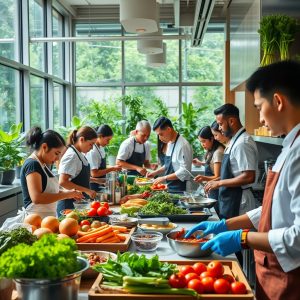
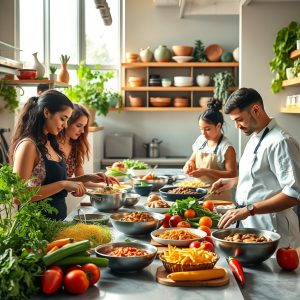
For generations, the secrets of professional cooking were guarded within the walls of culinary schools and restaurant kitchens. Techniques like sous-vide, emulsification, and precise knife skills were the domain of trained chefs, but today, these methods are becoming accessible to home cooks. The rise of immersive culinary education—through online platforms, interactive kitchen workshops, and even augmented reality tutorials—has democratized professional-grade skills. These resources don’t just teach recipes; they break down the *why* behind each step, empowering cooks to adapt and innovate with confidence.
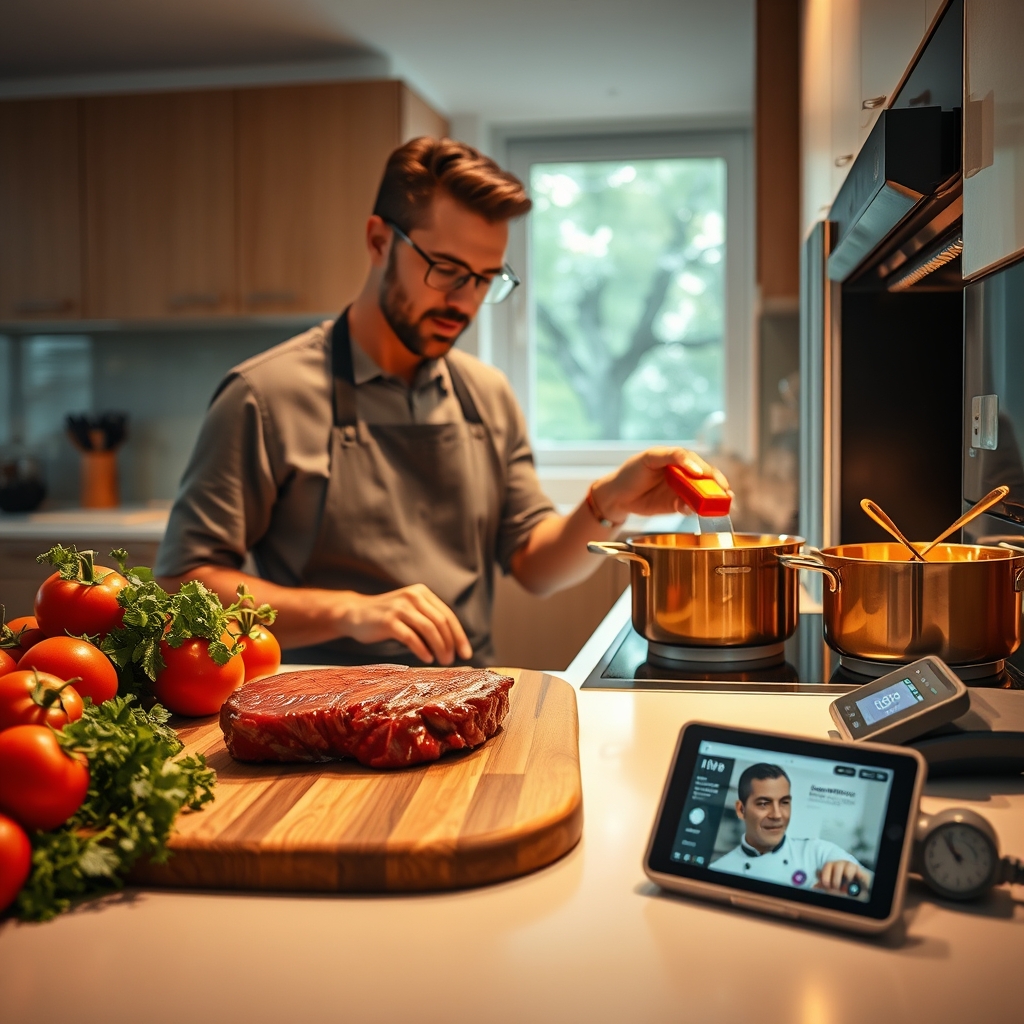
Take, for example, the humble act of searing meat. A professional chef understands that the Maillard reaction—where amino acids and reducing sugars create that coveted brown crust—requires precise control of temperature and timing. Home cooks, armed with this knowledge, can replicate restaurant-quality results by preheating their pans adequately, patting their protein dry, and resisting the urge to overcrowd the pan. It’s these small, science-backed adjustments that elevate a dish from good to extraordinary.
The Role of Real-Time Analytics in the Kitchen
While skill and intuition remain irreplaceable, technology is now playing a pivotal role in refining the cooking process. Real-time cooking analytics, powered by smart kitchen devices, provide instant feedback on everything from internal temperatures to humidity levels. Imagine a wireless probe that not only alerts you when your roast has reached the perfect doneness but also tracks the rate of temperature rise, predicting the ideal resting time for maximum juiciness. Or a smart scale that calculates the exact ratio of ingredients needed to achieve a stable emulsion in your homemade mayonnaise.
These tools don’t replace the cook’s judgment—they enhance it. By removing the guesswork, they allow home chefs to focus on creativity and experimentation. For instance, a smart oven equipped with thermal imaging can ensure even baking, eliminating the frustration of a cake with a domed center or a pie with a soggy bottom. The data collected during cooking sessions can also be analyzed over time, helping cooks identify patterns in their techniques and refine their methods for consistent results.
Personalized Flavor Profiling: Cooking for Your Unique Palate
One of the most exciting developments in modern culinary science is the concept of personalized flavor profiling. Just as no two fingerprints are alike, no two palates are identical. Genetic differences, cultural backgrounds, and even past dining experiences shape our preferences in ways that standardized recipes can’t always account for. Emerging tools and methodologies are now making it possible to tailor flavors to individual tastes with remarkable precision.
This process often begins with a sensory assessment, where cooks evaluate their preferences for sweetness, acidity, bitterness, saltiness, and umami. Some platforms use AI-driven questionnaires or even taste tests with controlled samples to generate a flavor profile. Armed with this information, cooks can adjust recipes to suit their unique palate—whether that means dialing up the acidity in a tomato sauce to cut through richness or reducing the sugar in a dessert to highlight subtle spice notes.
Beyond personalization, this approach fosters a deeper connection to the food we eat. When we understand how our palate responds to different stimuli, we become more mindful of the ingredients we choose and the techniques we employ. It’s a shift from following recipes blindly to engaging in a dialogue with our food, where each meal becomes an opportunity to refine our understanding of flavor.
Sustainable Ingredient Sourcing Meets Tech-Assisted Precision
The science of flavor extends beyond the kitchen to the very ingredients we use. Sustainable sourcing is no longer just an ethical choice—it’s a culinary one. The quality of an ingredient, shaped by factors like soil health, farming practices, and seasonal availability, directly impacts its flavor profile. For example, a tomato grown in nutrient-rich soil under optimal sunlight will have a more complex, vibrant taste than one cultivated in a controlled, industrial environment.
Technology is bridging the gap between home cooks and high-quality, sustainable ingredients. Apps and platforms now connect consumers directly with local farmers, offering transparency about farming practices and even suggesting recipes based on what’s in season. Some services use AI to predict the best times to purchase certain ingredients, ensuring peak freshness and flavor. Meanwhile, smart refrigerators and pantry systems can track ingredient usage, reducing food waste by suggesting recipes based on what’s already on hand.
When combined with precision cooking techniques, sustainably sourced ingredients shine. A grass-fed steak, cooked sous-vide to the exact desired temperature, will showcase its natural flavors in a way that mass-produced alternatives simply can’t match. This synergy between sustainability and technology doesn’t just benefit the planet—it elevates the dining experience to new heights.
The Future of Home Cooking: A Blend of Art and Science
The kitchen of the future is not a place where technology replaces human creativity, but where it amplifies it. Professional culinary skills, real-time analytics, personalized flavor profiling, and sustainable sourcing are converging to create a new era of home cooking—one where every meal is an opportunity to learn, experiment, and delight. The tools and techniques once reserved for professional chefs are now within reach, inviting home cooks to approach their kitchens with the curiosity of a scientist and the passion of an artist.
As we continue to explore the hidden science of flavor, one thing becomes clear: the most memorable meals are not just about following a recipe. They’re about understanding the principles that make food taste extraordinary and using that knowledge to create something uniquely our own. Whether it’s the perfect balance of acid and fat in a vinaigrette or the precise moment a soufflé reaches its peak, the magic of cooking lies in the details—and the details are where science and art collide.