The Hidden Luxury of Zero-Waste Fine Dining: How Elite Hotels Are Redefining Gourmet Sustainability with Hyper-Local Ingenuity
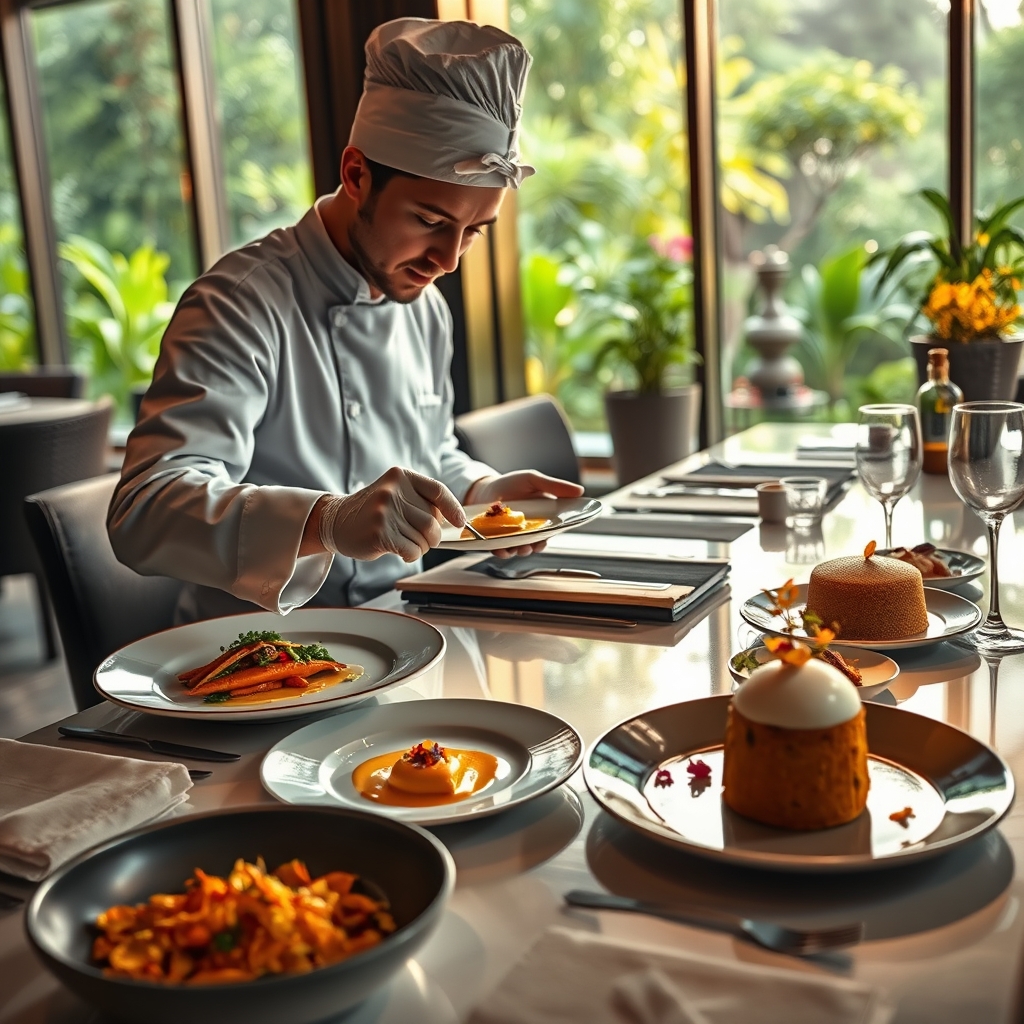
In the rarefied world of luxury hotel dining, where opulence often manifests in lavish presentations and rare ingredients, a quiet revolution is unfolding—one that marries the heights of gourmet indulgence with an unyielding commitment to sustainability. The most visionary hotels are no longer content with merely sourcing hyper-local ingredients or offering plant-based alternatives. Instead, they are reimagining the entire culinary lifecycle, from farm to fork to compost, crafting experiences where zero-waste principles elevate rather than restrict the dining journey. This is not about sacrifice; it is about reinvention, where every scrap of carrot peel, every drop of whey, and every wilted herb leaf becomes an opportunity for culinary creativity.
The Philosophy of Circular Gastronomy
At the heart of this movement lies the concept of circular gastronomy—a philosophy that treats ingredients not as finite resources but as part of an infinite loop of regeneration. Leading the charge are hotels like Silk & Salt in Copenhagen, where the kitchen operates as a closed system. Here, vegetable trimmings are transformed into vibrant powders for garnishes, citrus peels are candied or fermented into bitters, and spent grains from house-brewed beer find new life as artisanal bread. Even the coffee grounds are repurposed into exfoliating soaps for guest bathrooms, ensuring nothing is discarded without purpose.
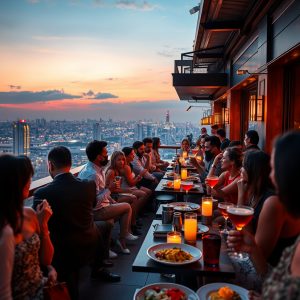
The approach extends beyond the kitchen. At The Greenhouse Hotel in Singapore, the rooftop garden is not just a source of fresh herbs and microgreens but a living laboratory for composting. Guests are invited to participate in workshops where they learn how food waste is broken down into nutrient-rich soil, which in turn nourishes the very plants that will later grace their plates. This hands-on engagement transforms sustainability from an abstract concept into a tangible, almost sacred, ritual.
The Art of the Imperfect Plate
One of the most striking shifts in zero-waste fine dining is the embrace of imperfection. In traditional gourmet kitchens, aesthetics often dictate that only the most pristine, uniformly shaped ingredients make it to the plate. But in this new paradigm, asymmetry is celebrated. At Fable Retreat in California’s wine country, the tasting menu might feature a dish of roasted heirloom carrots, their gnarled roots left intact to showcase their natural beauty. The accompanying purée is made from the carrot tops, which would typically be discarded, blended with a touch of house-made almond milk for creaminess.
This philosophy extends to protein as well. At Ocean’s Edge in the Maldives, the kitchen has pioneered a nose-to-tail approach for seafood, where lesser-known cuts like tuna collar or mahi-mahi cheeks are elevated into signature dishes. The bones and trimmings are simmered into rich, umami-packed broths that form the base of sauces or soups, ensuring that every part of the fish is honored. The result is a dining experience that feels both luxurious and deeply respectful of the ingredients’ origins.
The Rise of the Upcycled Ingredient
Perhaps the most exciting frontier in zero-waste fine dining is the rise of upcycled ingredients—components that were once considered waste but are now prized for their unique flavors and textures. Take, for example, the whey left behind after making ricotta or mozzarella. At La Petite Ferme in Provence, this byproduct is transformed into a delicate, slightly tangy gelato, served alongside a warm olive oil cake made from spent grain flour. Similarly, at The Urban Orchard in Melbourne, apple pomace—the pulp left after juicing—is dehydrated and ground into a flour used to make gluten-free pastries, adding a subtle sweetness and depth of flavor.
These innovations are not just about reducing waste; they are about creating entirely new culinary languages. At Noma’s pop-up in Kyoto, chefs experimented with koji-fermented rice bran, a byproduct of sake production, to cure fish and vegetables. The result was a dish that tasted like nothing else—earthy, funky, and profoundly complex. It was a testament to how zero-waste principles can push the boundaries of flavor, rather than constrain them.
The Role of Technology in Zero-Waste Luxury
While the zero-waste movement is rooted in age-old techniques like fermentation, pickling, and nose-to-tail cooking, modern technology is playing an increasingly vital role. At The Future Kitchen in Dubai, chefs use precision dehydration to turn fruit and vegetable scraps into vibrant powders that add color and flavor to dishes. A machine called the BioSeparator extracts oils from citrus peels, which are then used to infuse syrups or create aromatic mists that enhance the dining experience. Even AI is being leveraged to optimize ingredient usage, with algorithms predicting how much of each component will be needed for a given service, minimizing over-preparation and waste.
Technology also enables transparency, a cornerstone of the zero-waste ethos. At The Conscious Table in London, diners can scan a QR code on their menu to trace the journey of each ingredient, from the farm where it was grown to the compost bin where its scraps will eventually return. This level of visibility fosters a deeper connection between the guest and the food, turning every meal into a story of sustainability.
The Guest Experience: From Spectator to Participant
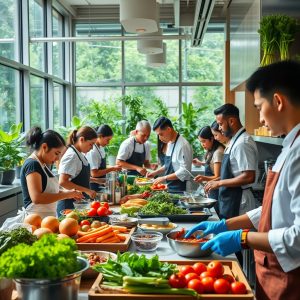
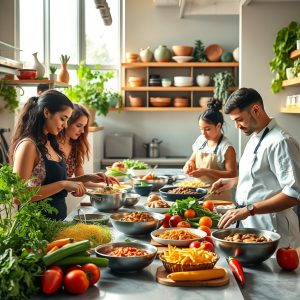
What sets zero-waste fine dining apart is its ability to turn sustainability into an immersive, almost theatrical experience. At The Zero Point in Tokyo, guests are invited to don aprons and join the chefs in a pre-dinner workshop, where they learn to transform food scraps into edible art. One evening might focus on making furikake from dried fish bones and seaweed, while another teaches the art of turning vegetable peels into crispy chips. The dishes created during these sessions are then incorporated into the tasting menu, making diners active participants in the zero-waste journey.
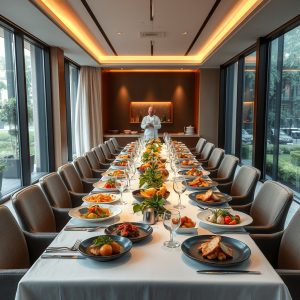
Even the presentation of the food reflects this ethos. At The Glass House in Cape Town, dishes are served on plates made from recycled wine bottles, while the cutlery is crafted from reclaimed wood. The centerpiece of the table is a living herb garden, where guests can snip their own garnishes, reinforcing the connection between the meal and the earth. These details transform dining from a passive experience into an interactive celebration of sustainability.
The Future of Zero-Waste Fine Dining
As the zero-waste movement gains momentum, it is poised to redefine the very essence of luxury dining. The most forward-thinking hotels are already exploring ways to extend these principles beyond the kitchen. At The Regenerative Retreat in Costa Rica, for example, the entire property operates on a closed-loop system, where food waste is composted and used to fertilize the on-site farm, which in turn supplies the kitchen. Even the water used in the restaurant is filtered and reused for irrigation, creating a self-sustaining ecosystem that blurs the line between dining and nature.
This holistic approach is not just about reducing waste; it is about reimagining what luxury can be. In a world where excess has long been synonymous with indulgence, zero-waste fine dining offers a radical alternative—one where restraint and creativity go hand in hand, and where every bite tells a story of respect for the planet. It is a movement that proves sustainability is not a limitation, but the ultimate expression of culinary artistry, where the most luxurious experience is one that leaves no trace behind.
The next time you sit down to a meal at a five-star hotel, look beyond the silverware and the white-gloved service. Notice the thought behind the carrot top pesto, the spent grain bread, the whey-infused dessert. These are not just dishes; they are declarations. They are the future of fine dining, where the most exquisite luxury is not what you take, but what you give back.