Kebabs Uncovered: The Rich Tradition of Turkish Grilled Meat
Few dishes capture the essence of Turkish cuisine as vividly as kebabs. These grilled meat masterpieces are more than just food—they are a celebration of tradition, skill, and communal dining. From bustling street vendors in Istanbul to family gatherings in Gaziantep, kebabs hold a special place in Turkey’s culinary heart. Their smoky aroma, tender texture, and bold flavors tell stories of ancient spice routes, nomadic cooking techniques, and the art of slow-grilled perfection. Whether enjoyed as a quick street snack or the centerpiece of a lavish feast, kebabs offer a delicious journey through Turkey’s diverse regions and rich history.
The Art of Marination: Flavor from the Inside Out
At the heart of every great kebab lies the marinade. Turkish cooks have perfected the balance of spices, herbs, and acids to transform simple cuts of meat into something extraordinary. A classic marinade often starts with olive oil, the liquid gold of the Mediterranean, which tenderizes the meat while carrying the flavors deep into every fiber. Garlic, another cornerstone of Turkish cuisine, adds a pungent depth, while yogurt—especially in dishes like şiş kebab—lends a creamy tanginess that keeps the meat moist during grilling.
Spices play a starring role, with each region boasting its own signature blend. Paprika and cumin bring warmth, while sumac adds a citrusy brightness that cuts through the richness of the meat. For those seeking heat, pul biber (Turkish red pepper flakes) or fresh chili peppers deliver a slow-building fire. The key to a great marinade is time—allowing the meat to soak for at least four hours, or ideally overnight, ensures that every bite is infused with flavor. Some recipes even call for grinding whole spices fresh, releasing their aromatic oils for maximum impact.
From Shish to Adana: A Tour of Turkey’s Kebab Varieties
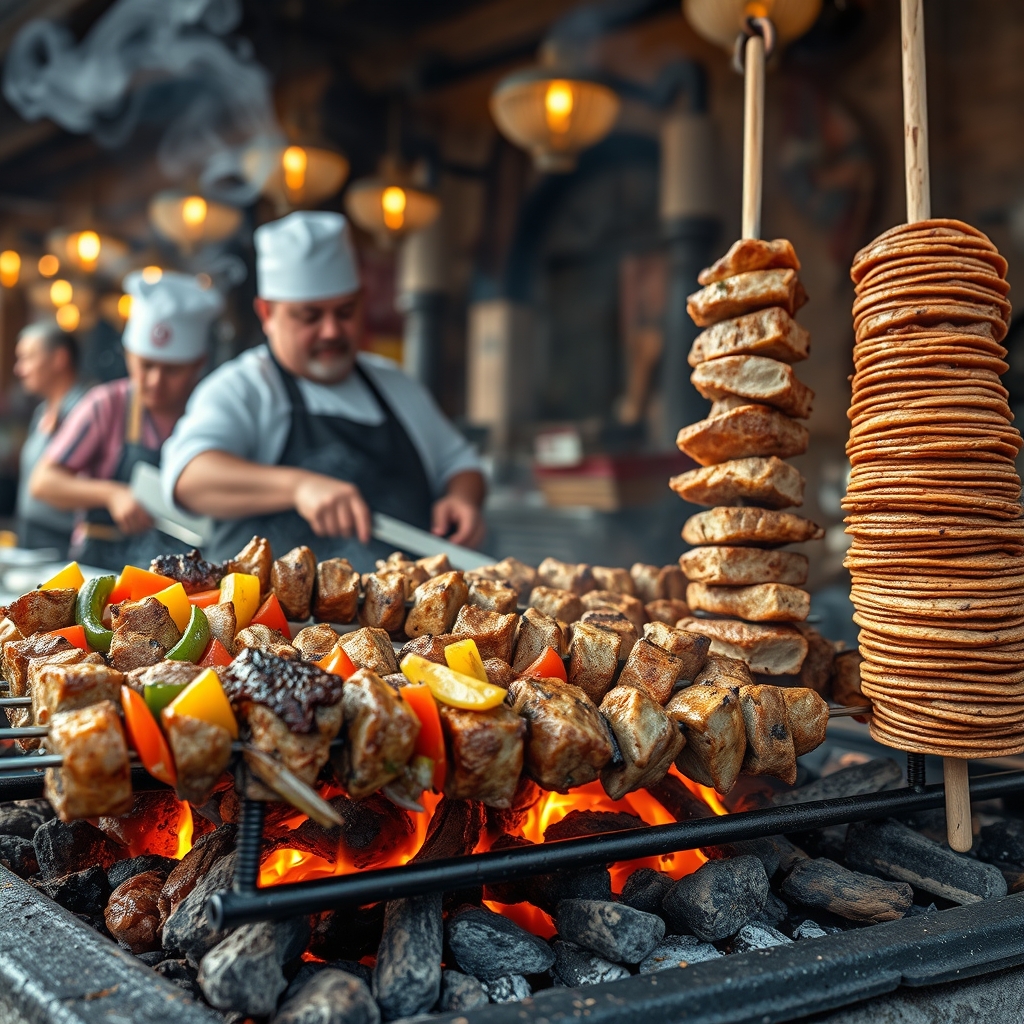
Turkey’s kebab repertoire is as diverse as its landscapes, with each variety offering a unique texture and taste. The şiş kebab, perhaps the most iconic, features cubes of marinated lamb or beef threaded onto skewers and grilled over open flames. The meat is often interspersed with vegetables like bell peppers, onions, and tomatoes, creating a colorful and balanced dish that’s as pleasing to the eye as it is to the palate.
For those who crave something more robust, the Adana kebab delivers. Named after the southern city of Adana, this kebab is made from minced lamb or beef, mixed with finely chopped onions, parsley, and a generous amount of red pepper flakes. The mixture is kneaded by hand, then shaped onto wide, flat skewers before grilling. The result is a juicy, slightly spicy kebab with a crispy exterior, often served with lavash bread and a side of grilled vegetables. Its cousin, the Urfa kebab, offers a milder, smokier alternative, with a deeper char and a more aromatic profile.
No discussion of Turkish kebabs would be complete without mentioning the döner kebab. This vertical rotisserie-style kebab features layers of marinated meat stacked onto a large skewer and slow-cooked as it rotates. The outer layers are shaved off as they crisp, creating thin, flavorful slices that are typically served in a warm pita or lavash wrap. Topped with garlic yogurt, pickled vegetables, and a drizzle of spicy sauce, döner kebab is the ultimate street food—portable, customizable, and utterly irresistible.
The Grill Master’s Toolkit: Tips for Perfect Kebabs
Grilling kebabs is an art that requires patience, attention, and a few insider tricks. The first rule? Choose the right meat. For shish kebabs, opt for cuts like lamb shoulder or beef sirloin, which are tender and flavorful. For minced kebabs like Adana or Urfa, a mix of lamb and beef ensures a juicy, well-balanced texture. Always trim excess fat to prevent flare-ups, but leave enough to keep the meat moist during cooking.
The grill itself plays a crucial role. Traditional Turkish kebabs are cooked over charcoal or wood fires, which impart a smoky depth that gas grills simply can’t replicate. If using charcoal, let the coals burn until they’re covered with a fine white ash—this ensures even heat and prevents the meat from sticking. For those using a gas grill, preheat it to medium-high and consider adding wood chips to the flames for a touch of authenticity.
Timing is everything. Kebabs cook quickly, so keep a close eye on them to avoid overcooking. Turn the skewers frequently to ensure even browning, and use a meat thermometer to check for doneness—lamb should reach 145°F (63°C), while beef can be cooked to medium-rare at 135°F (57°C). Let the meat rest for a few minutes after grilling to allow the juices to redistribute, ensuring every bite is tender and succulent.
Serving Suggestions: Beyond the Skewer
While kebabs are delicious on their own, the true magic happens when they’re paired with the right accompaniments. Lavash bread, soft and slightly chewy, is the perfect vessel for wrapping kebabs, especially when warmed over the grill. For a heartier option, pide—a Turkish flatbread with a pillowy texture—adds a satisfying base for toppings like grilled vegetables, fresh herbs, and tangy sauces.
No kebab feast is complete without a selection of meze, the small dishes that set the stage for the main event. Hummus, with its creamy chickpea base and tahini swirl, offers a cooling contrast to the smoky meat. Haydari, a thick yogurt dip flavored with garlic and mint, adds a refreshing tang, while ezme, a spicy tomato and pepper salad, brings a bright, crunchy element to the table. Pickled vegetables, such as cucumbers, cabbage, and peppers, provide a sharp, acidic bite that cuts through the richness of the kebabs.
For a truly immersive experience, serve kebabs with a side of pilav, a buttery Turkish rice dish often cooked with orzo or vermicelli. A sprinkle of fresh parsley and a squeeze of lemon juice just before serving can elevate the flavors, adding a burst of freshness that ties everything together. And of course, no meal is complete without a glass of ayran, the yogurt-based drink that cools the palate and complements the bold flavors of the grill.
The beauty of kebabs lies in their versatility—they can be as simple or as elaborate as the occasion demands. Whether you’re firing up the grill for a casual weekend barbecue or preparing a feast for a special gathering, the key is to embrace the process. Let the meat marinate, the coals burn low, and the flavors develop slowly. In the end, it’s not just about the food, but the shared moments around the table, the laughter, and the stories that make every bite of kebab taste even better.